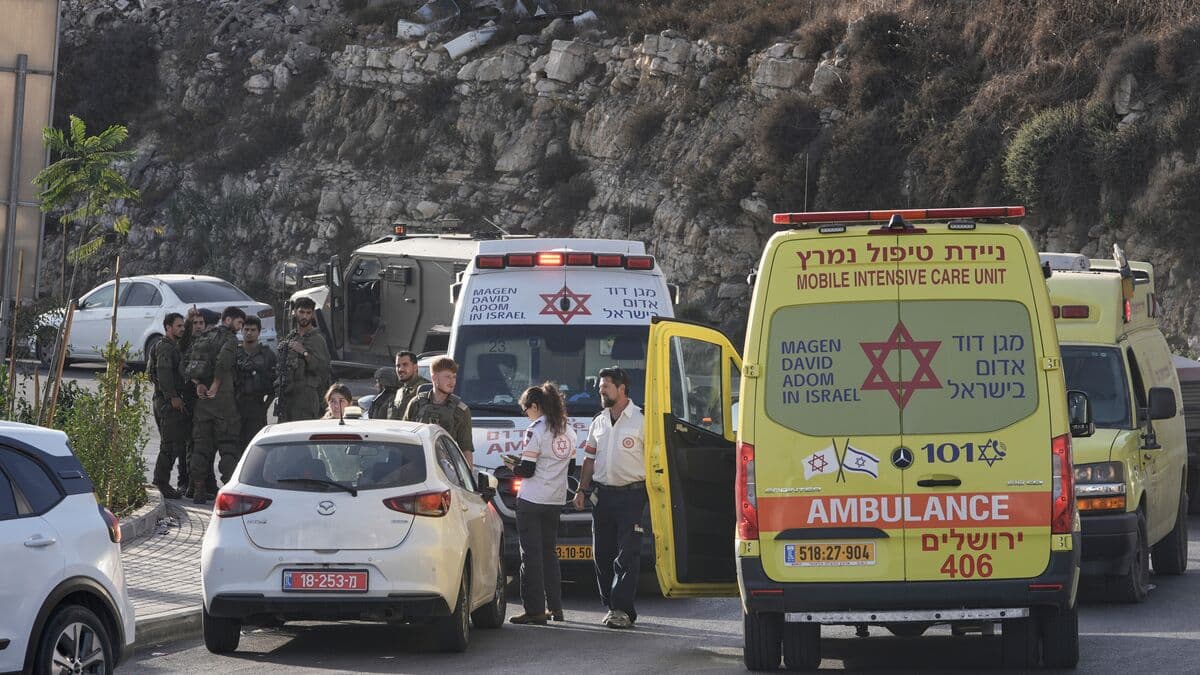
The sun had just risen when Yelena Vladimirovna was awakened by noise. Outside the windows of the high-rise building on the outskirts of Moscow, drones buzzed - then came the explosion. Flames rose from a ledge just below her balcony.
Black smoke started coming out, the 56-year-old told CNN, describing how she and her son took the dog and fled.
Vladimirovna is happy to be alive. Now she hopes the war will end soon.
For a long time, residents of Russia's largest cities have been spared the brutal realities of war. Ukraine's intensified long-range drone attacks have changed that. Vladimirovna's house in Zelenograd was one of many hit in Ukrainian drone strikes on May 17, which also hit nearby Khimki.
Was told to stay inside
"I flinch at the slightest thing now, even teenagers with firecrackers. I'm so tense," Nadezhda Chimkibon told the American media company outside a house with a gaping hole.
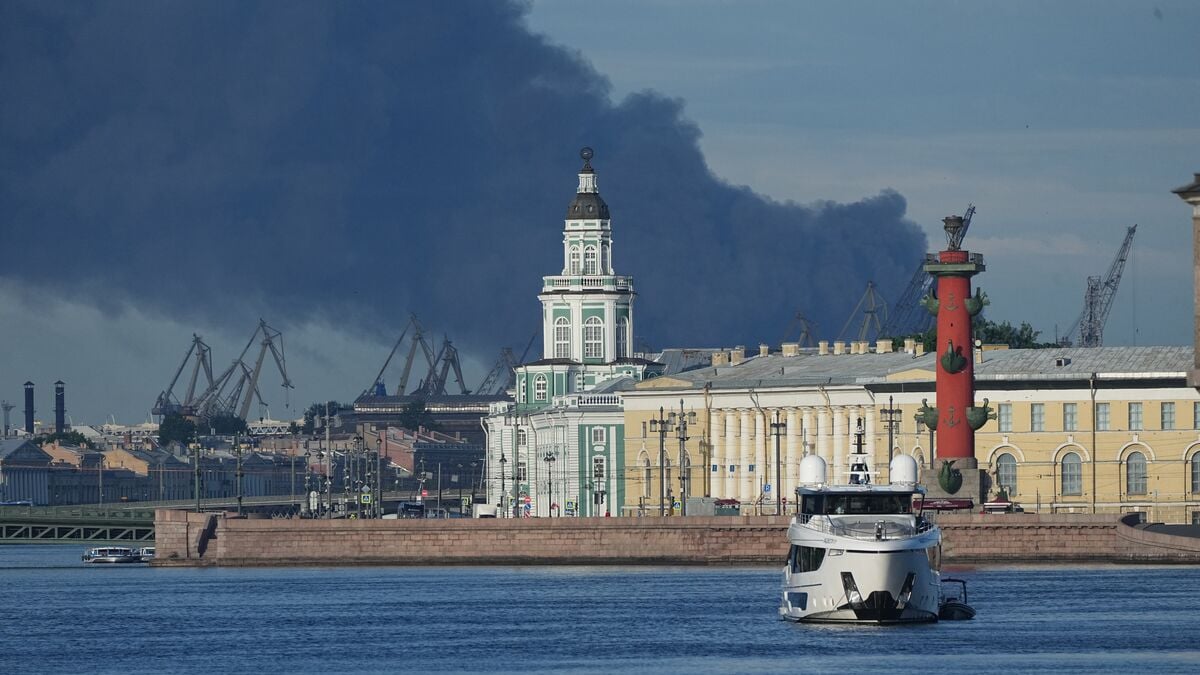
Drones shot down over the Moscow and Leningrad regions are now reported almost daily. On Saturday, St. Petersburg residents were urged to stay indoors as waves of Ukrainian drones swarmed over the region. Just days earlier, an oil depot in the city's port and a naval base in the Gulf of Finland had been hit in an attack - at the same time as President Vladimir Putin was hosting dignitaries at the prestigious SPIEF economic forum in his hometown of St. Petersburg.
“We are sending a clear message to the Russians: their government must end the war,” Ukrainian President Volodymyr Zelenskyy wrote on X in May.
The attacks are also hitting closer to Ukraine. In Tuapse on the Black Sea, authorities have warned of black “poison rain,” air pollution and oil spills after the city’s large oil facility was repeatedly attacked in April and May. The fallout has settled like a sticky, sooty film over cars, buildings and nature.
Mass cancellations
"Oil is literally falling from the sky. We can't breathe," Elmira Ajrapetyan from nearby Krasnodar told CNN in late April.
Ukraine's attack on the oil industry and its transportation chains has led to a growing fuel crisis in Russia – and to public panic, according to Russian media.
On Monday night, a train heading to Simferopol in Russian-occupied Crimea was hit, causing all train traffic on the peninsula to be halted.
Independent Russian Fontanka reports on panic among Russian tourists stranded after their summer vacation; Kommersant reports on mass cancellations ahead of the upcoming summer season.
"79 percent of bookings in Crimea were canceled between May 24 and June 6," the daily wrote.