Shortly after three o'clock in the afternoon on April 15, a gunshot was reported in central Eslöv. It turned out that one man had been shot inside a home and another had been shot outside on the street. Both suffered life-threatening injuries but survived.
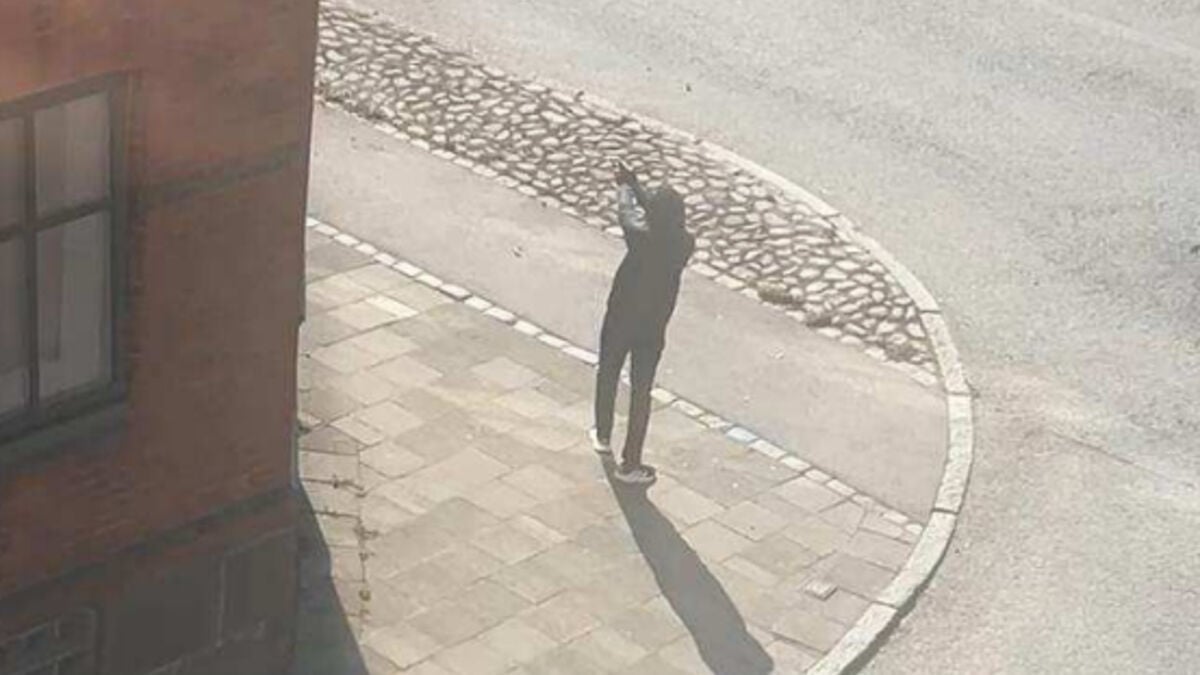
A witness captured the shooter firing three shots on the street. Police technicians later found 13 empty shells at the scene.
DNA on a scooter
The person left on an electric scooter and a few hours later the police found a similar scooter in a nearby park. They immediately suspected that it was the getaway vehicle and two days later the handle was tested for DNA and sent to NFC in Linköping.
The police requested priority from NFC, which meant it should be prioritized before other cases. However, they did not request emergency priority, which can be used if it is deemed particularly urgent.
In the case of emergency priority, a response must be provided within ten hours, while in the case of priority, a response can be delivered within a few days, according to NFC.
It is not possible to say that it is always used in every case, but serious violent crimes where there is a hunt for a perpetrator are often given these priorities, says Thomas Johansson, press spokesperson for the police in the South Region.
The priority requested is determined after discussion with the head of the preliminary investigation and the local forensic department in the region, he says. It is difficult to answer exactly what the basis for the assessment in the Eslöv case was due to the confidentiality of preliminary investigations.
We cannot always proceed with priority, but we must make careful considerations and assessments of the conditions and how they affect us, says Johansson.
But we always want to be able to take action immediately if we had to decide for ourselves.
Previously convicted
NFC's response from the search came on May 6, barely three weeks later. The result was a match in the police's DNA registry to a previously convicted 21-year-old. By the time the response arrived, he had already been arrested for the triple murder.
The Uppsala police were able to identify him using DNA on clothes found in a trash can after the shooting. The answer from NFC came after only a few days.
"We quickly understood when the objects were seized that they were connected to the murder. It was therefore important for us to get a quick answer to that," says prosecutor Andreas Nyberg, who is leading the Uppsala investigation.
The trial for the shootings is ongoing. The 21-year-old denies any wrongdoing.
The 21-year-old man who is charged with the triple murder in Uppsala and the attempted murder in Eslöv in April last year is suspected of having taken on murder missions for payment.
The act is described by prosecutors as a contract job, or "crime as a service", where the defendants were recruited through digital channels. However, no client has yet been identified.
The man has denied any wrongdoing during the investigation. The trial, which is being held in Attunda District Court, is ongoing.