In November, the European Broadcasting Union (EBU) proposed new rules for the Eurovision voting system to "increase trust, transparency and audience engagement".
At Thursday's membership meeting in Geneva, Switzerland, broadcasters were asked in a secret ballot to vote on whether they were "sufficiently satisfied" with implementing the new rules without taking a position on any particular country's participation. That proposal passed by a "broad majority," according to a press release from the EBU.
Boycotts
The reactions were immediate. Television companies from Ireland, the Netherlands, Spain and Slovenia – all of whom had previously threatened a boycott – announced that they would not participate.
There is no need to make a decision on participation in next year's contest right now. Iceland's television company has announced that they will discuss the matter on Wednesday next week. Belgium's participation is also unclear.
From the Israeli side, they are satisfied with Thursday's decision.
“Thank you to all our friends who stood up for Israel's right to continue contributing and competing in Eurovision,” writes the country's president Isaac Herzog on X.
The last two years, Eurovision has been marred by protests against Israel's participation due to the war in Gaza.
Sweden voted yes
Sweden has voted through SVT to introduce the rules, says division manager Michael Österlund.
He says that SVT has three criteria for participating in Austria this spring. It must be safe to implement and it must be "as apolitical and independent as possible."
We have also said that we want there to be a broad European support – as many people as possible should be involved, then we also want to be involved, he tells TT.
Even though several broadcasting companies have already dropped out, it is still the right time for the competition in Vienna.
There are enough entries so far for our criteria to be considered met. We still think there is European support for the competition. Then we will of course follow the development and evaluate it continuously.
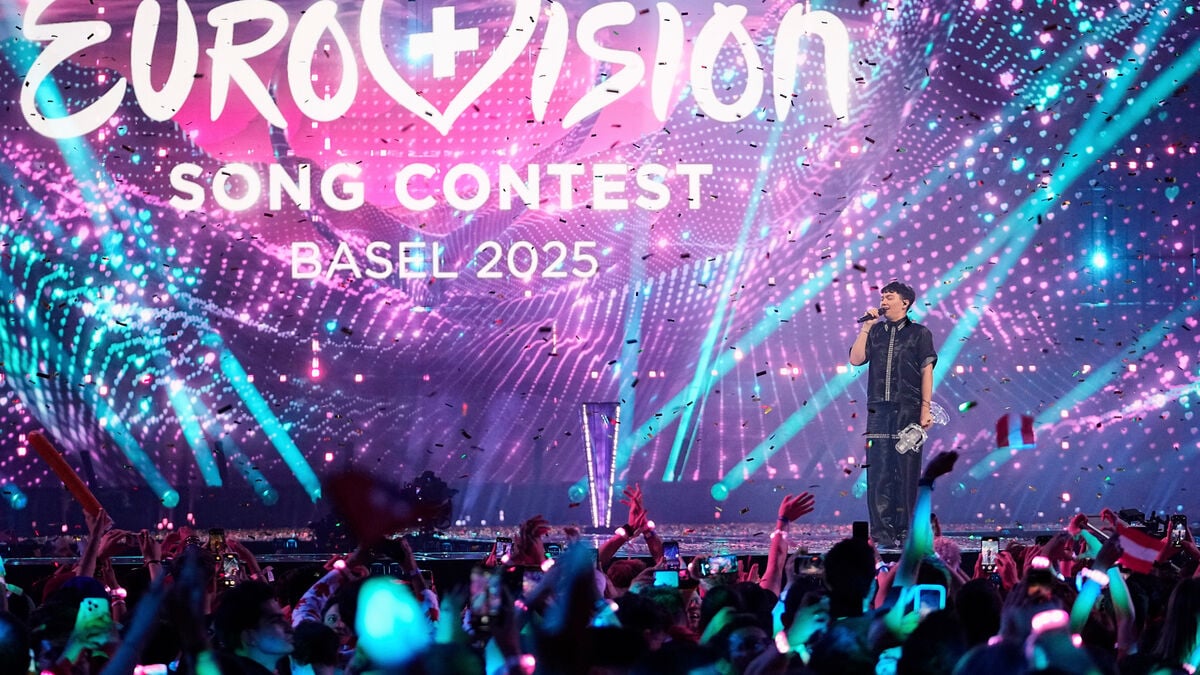
Since the Hamas terrorist attack on Israel on October 7, 2023 and the outbreak of war in Gaza, Eurovision has been rocked by anti-Israeli protests, both in 2024 in Malmö and in 2025 in Basel. Several countries also dislike that the competition that is supposed to unite Europe has become so politicized and associated with the war in Gaza, as well as more expensive to organize due to skyrocketing security costs.
Israel has also been criticized for aggressively soliciting viewer votes through organized campaigns. The media companies within the EBU also criticize Israel for stopping journalists from covering the war in Gaza.
As a compromise to ensure that Israel can remain in the Eurovision Song Contest, the EBU has come up with new rules for next year's competition. It gives viewers fewer votes, a new jury system with younger and more professional members, and new technical aids to counteract manipulation of telephone votes. In addition, national broadcasters are prohibited from "influencing" the result through marketing campaigns.
Ahead of the EBU meeting in Geneva, several countries had threatened a boycott, including Spain. Germany's culture minister has said, on the contrary, that it would be unacceptable if Israel was not allowed to participate in Vienna.