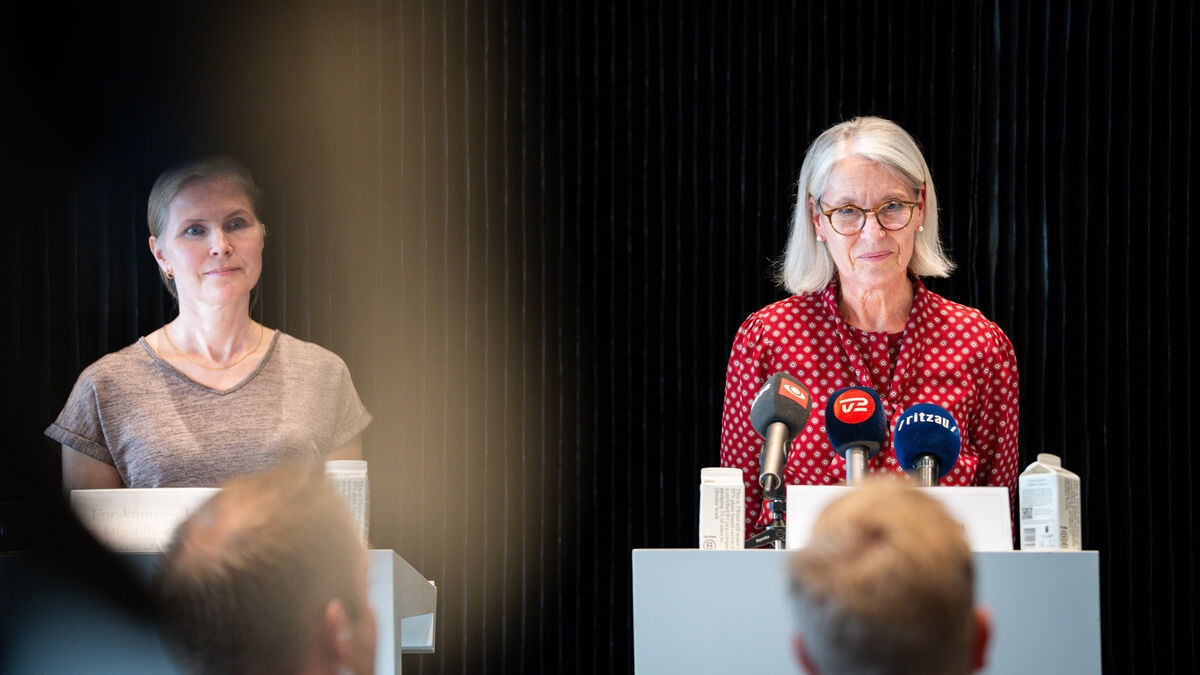
Denmark's emergency management authority warns that the so-called CPR number can no longer be used for identification.
If someone provides a CPR number, you can no longer count on having identified a specific citizen, said Laila Reenberg, head of the authority, at a press conference on Tuesday.
Private top secret
CPR numbers are Denmark's equivalent of the Swedish personal identity number. Earlier this week, it emerged that unauthorized parties had gained access to, among other things, the names, addresses and personal identity numbers of 8.8 million people in the Danish population register.
Denmark has just over 6 million inhabitants, but the leak also includes information about people who have died or emigrated.
The leak has been described by experts as a “gold mine” for criminals. Unlike the Swedish personal identity number, the last four digits of the Danish CPR number have long been a closely guarded secret, says Jan Kaastrup, a digital investigator at cybersecurity firm CSIS.
Taken hostage
When going to the doctor or picking up prescription medication, it has been enough to provide the number. It has also been enough to get bank details, and in some cases it has even been possible to use it to take out loans, he says.
According to him, experts have warned that the CPR number system can be abused.
If your CPR number is stolen, you can't just go to the Tax Agency and change it, so we're a bit held hostage, says Kaastrup.
At a press conference on Tuesday afternoon, the Danish Civil Protection and Emergency Management Authority urged citizens to be extra vigilant in the coming days to avoid fraud.
This applies to unexpected contact by phone, text message and email, said Laila Reenberg.
She also urged companies to use alternative systems to identify citizens.




What do you think?