Easter is approaching and with it mountain tourism. Spring usually means safer avalanche conditions compared to the beginning of the season.
“This year we have a completely different situation, quite unique in the ten years we have made avalanche forecasts,” says Mattias Tarestad, avalanche expert at the Swedish Environmental Protection Agency.
Dangerous season
This season, the number of avalanches is the highest in at least ten years. Since the winter started with little snow, the snowpack has unstable foundations. When loaded with new snow, rain, or heat, avalanches can be triggered.
Each season, the Swedish Environmental Protection Agency documents between 40 and 50 major avalanches triggered by human activity.
“Now we are up to 120 and still have all of April left,” says Mattias Tarestad.
Until 6:00 p.m. on Thursday, the risk of avalanches is significant - three on a five-point scale - in parts of the mountains of Norrbotten and Västerbotten. Further south, the risk is assessed as low.
"The coolest ride" will have to wait
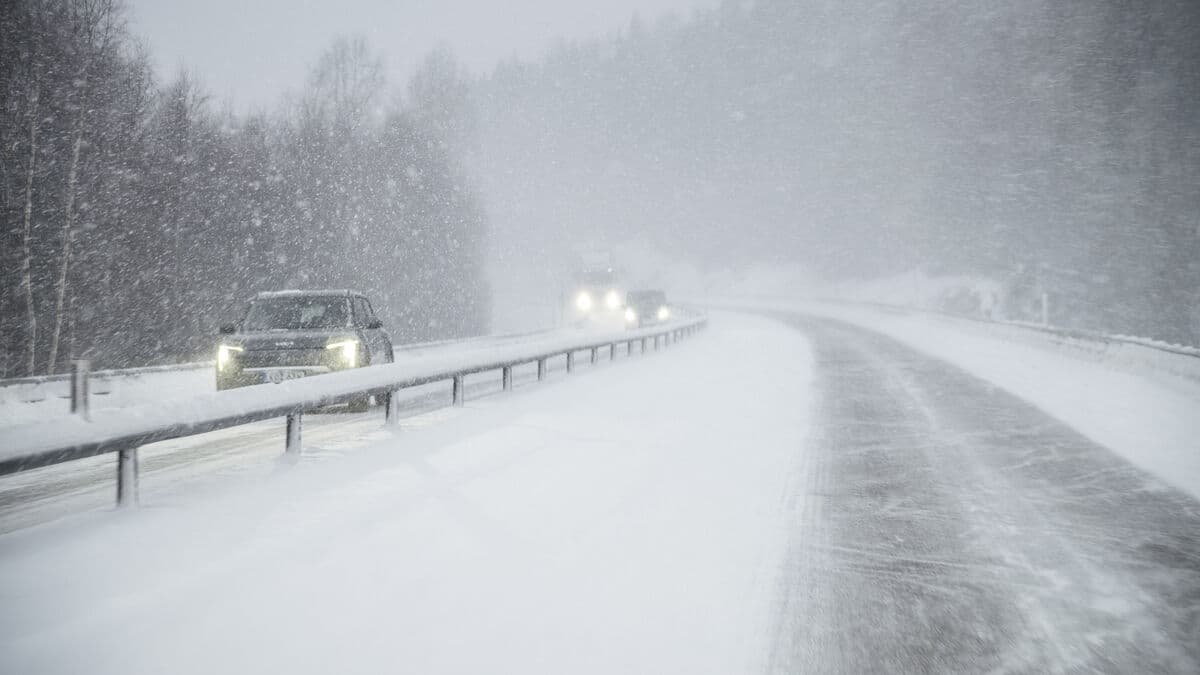
On Wednesday evening, SMHI also issued an orange warning for wind and snowfall in the bare mountains of Norrbotten.
Last week, three people were injured, one seriously, after being swept away in an avalanche at Riksgränsen in Kiruna municipality. Just over two weeks earlier, an avalanche occurred at Kebnekaise. A woman was swept away and buried one and a half meters under the snow for ten minutes, but she escaped with minor injuries.
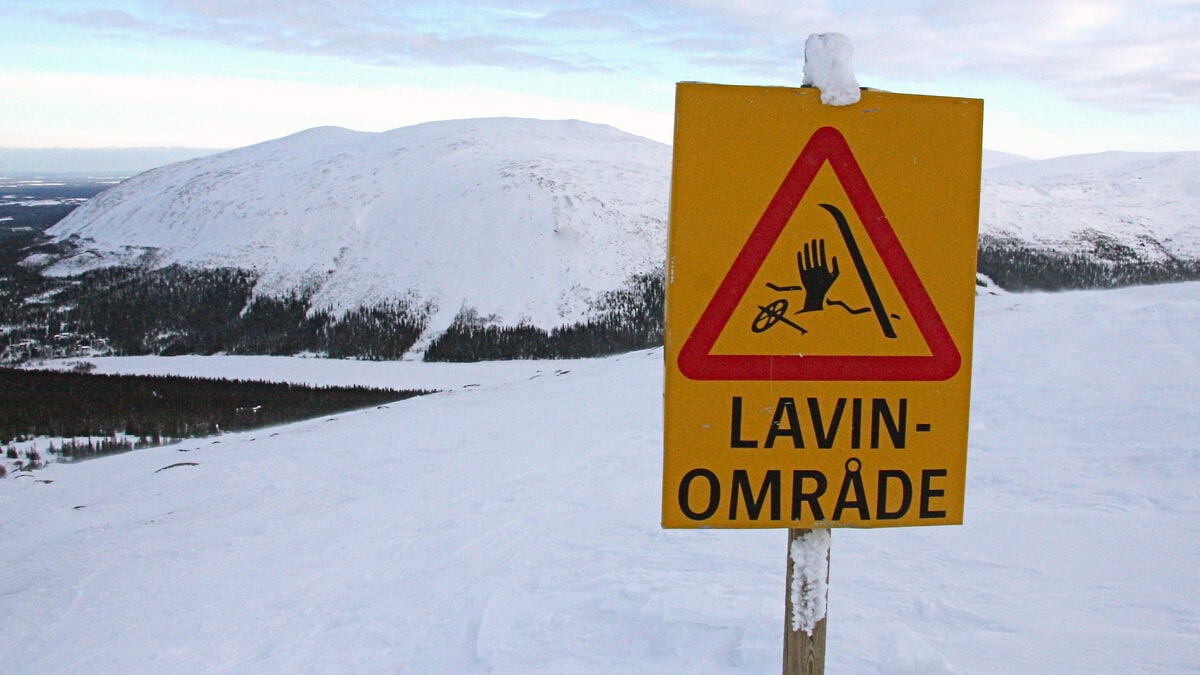
Trails and groomed ski slopes are generally avalanche-safe. Anyone venturing into less safe areas should follow avalanche forecasts, have the right knowledge and equipment - and be prepared to avoid certain areas.
“The most exciting rides can probably wait until another winter season,” says Mattias Tarestad.
Avalanche danger is divided into a five-point scale:
1. Low danger. Conditions are generally safe. Snow may be unstable in isolated places. Avalanches unlikely.
2. Moderate danger. Hazardous conditions in parts of the terrain. It is possible for people to trigger avalanches, but spontaneous avalanches are unlikely.
3. Significant hazard. Hazardous conditions. Human-triggered avalanches are likely and spontaneous avalanches are possible.
4. High danger. Very dangerous conditions. Spontaneous avalanches are very likely, and people can trigger avalanches.
5. Very high danger. Human-triggered and spontaneous avalanches are certain to occur.
Source: Avalanche Forecasts.se