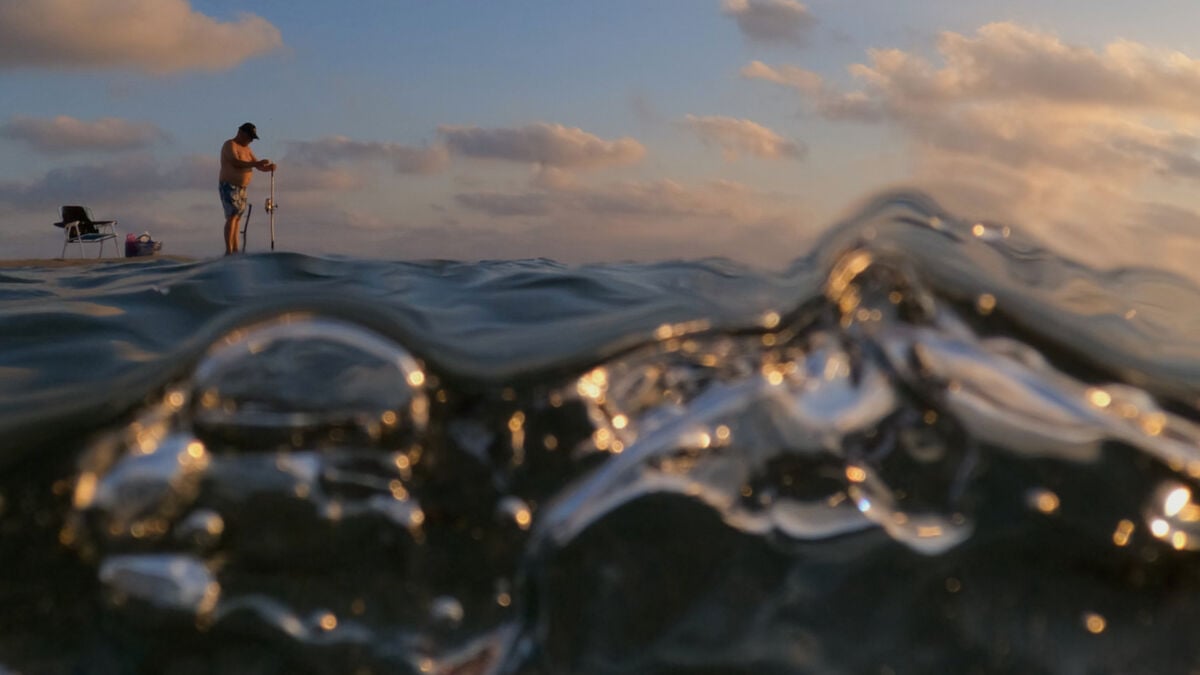
Marine heatwaves are causing major problems in the world's oceans. This year, the Mediterranean has been particularly hard hit, with surface temperatures in some places more than 6 degrees above normal. A buoy off Mallorca recorded 33 degrees earlier in August, a new record.
Previously impossible - now common
The World Weather Attribution research network, which specialises in so-called attribution studies, has examined the link to climate change in a rapid analysis. The conclusion is that this year's heatwave in the eastern Mediterranean, western Mediterranean and Bay of Biscay for two weeks in July could not have occurred in practice without human emissions of greenhouse gases.
In a fourth area studied, the Celtic region around the British Isles, this year's heatwave could have occurred about every hundred years in a pre-industrial climate. According to the researchers' models, climate change has meant that this type of heatwave will now recur every three years.
The summer heat is due to high-pressure systems with few clouds parked over western and central Europe.
"It provides a large amount of solar radiation that heats the surface of both the ocean and land. The warm air rises, meets the high pressure again and is pushed back down towards the surface," says Catherine Gregory, a researcher at the University of Bern, at a press conference and continues:
In principle, a heat dome has been created, which provides a self-reinforcing effect with constant heating of the surface.
Octopuses are moving north
Warmer bathing water may sound tempting, but the consequences can be disastrous.
One of the surprising things is how little warming it actually takes to push organisms over that threshold so that they die, says marine ecologist John Bruno of the University of North Carolina.
But there are also winners. For example, octopuses have become significantly more common in British waters and are now also being seen off Scotland.
Habitat-forming species like corals die out, and then more weedy species that exploit the changes - like slime algae - proliferate en masse and take over.
Since June 17, sea surface temperatures outside the poles have been higher than ever before measured at this time of year. The previous record years [years with the highest temperatures] are 2023, 2024 and 2025.
Currently, the temperature is above 21 degrees, a level never measured before 2023.
Around Europe, sea surface temperatures reached record highs along the Atlantic coast and in the western Mediterranean in July. In July, the average temperature in the Mediterranean was 27 degrees.
Source: Copernicus, WWA
Attribution studies are a method that examines the connection between individual weather events and climate change.
Researchers use historical weather data (at least 50 years, preferably 100 years) to detect trends. They then run simulations with climate models using today's climate to see how likely the weather conditions are to occur.
Then, the global warming caused by human emissions is removed, and the simulations are run again, to see if there is any difference in how often the conditions occur. It is also possible to run simulations that assume future warming, to see if the risk is expected to increase.
Source: WWA