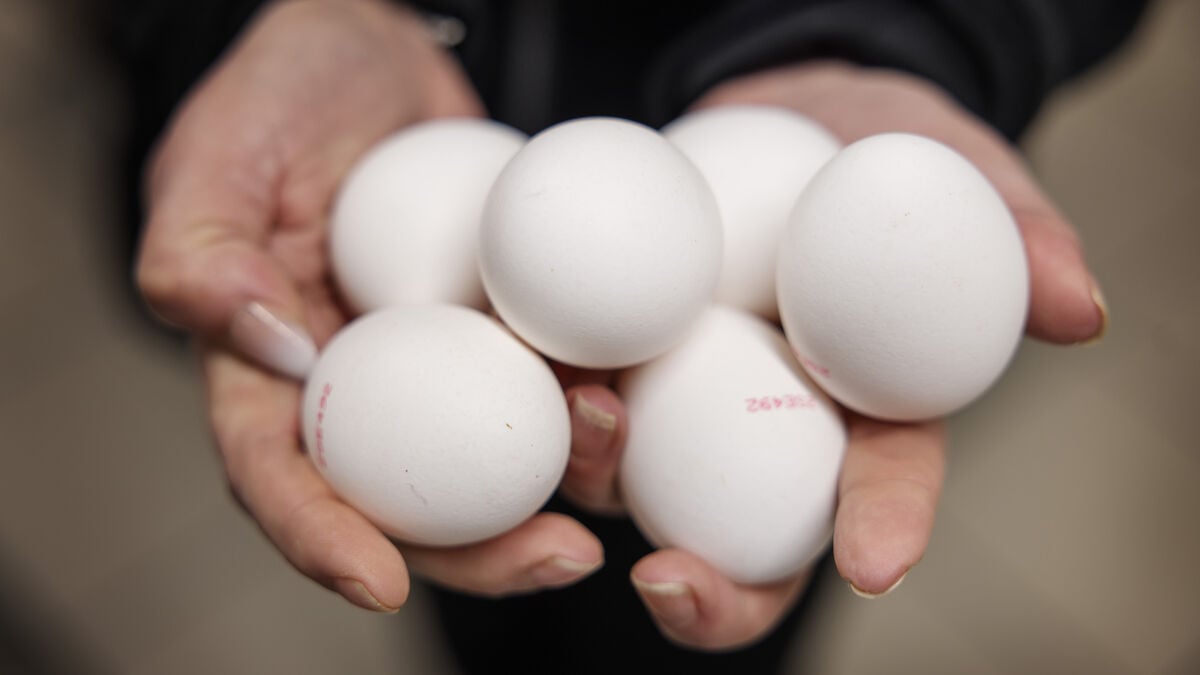
Compared to a normal week, Swedes' egg consumption during Easter increases by 50 percent, according to the industry organization Swedish Eggs.
Free-range: indoors or outdoors? Organic? Which eggs should you choose if you want to protect your own health and that of the chickens? According to Helena Wall, there are no studies that show health differences for people depending on whether the chickens, for example, have been able to go outside.
It's a question of what's on your wallet and what's close to your heart. If you want to know how the chickens have been doing, you can buy from a local producer and maybe see for yourself what it looks like.
There are basically four types of eggs in Swedish stores.
The first, which comes from caged hens, is uncommon and is basically gone from the market.
The most common is indoor free-range, which accounts for about 80 percent of the market. Nine hens are allowed per square meter. In all free-range systems, the hens have access to feed and water, nests, perches and a litter bed on the floor.
Organically labeled eggs allow six hens per square meter and require organic feed; the hens must have had the opportunity to be outside for at least a third of their lives.
Free-range outdoor means that the chickens have the opportunity to go outside all year round. Here too, nine chickens per square meter are allowed.
Source: Helena Wall, SLU.