President Trump himself is not expected to receive the Nobel Peace Prize this year, according to experts. This is despite being nominated again and having plenty of supporters, not least among his own circle. He has also launched a "peace council" intended to work on, among other things, the reconstruction of war-torn Gaza.
But Trump has also acted on other fronts.
In a year when he has both intervened militarily in Venezuela, started a war in Iran, steadily pressured Greenland and launched a trade war, among other things, it is very difficult to see Donald Trump receiving the Nobel Peace Prize, says Haakon Gjerløw, director of the Norwegian peace research institute Prio, to TT.
Children or courts?
Instead, he lists a number of other possible candidates. Among them are the Sudanese aid organization ERR (Emergency Response Rooms), previously considered a favorite; Save the Children; and Ukrainian children's rights activist Mykola Kuleba.
Another option would be to recognize international judicial cooperation by awarding the prize to the ICC or ICJ. The only question is whether it would be too politically sensitive to give the award to an organization that the US and Donald Trump have criticized so heavily and even imposed sanctions on.
Gjerløw notes that the Nobel Committee needs to consider the risk that the prize could harm rather than benefit a laureate.
That's something they have to at least consider: whether it might make it more difficult for someone to receive the prize in the future.
Cooperation in space?
On the other hand, the Nobel Committee sometimes needs to make courageous decisions.
Geir Lundestad, who was the committee's secretary for many years, used to say that the Nobel Peace Prize should be controversial every now and then - but not every year. Because then you lose the prestige, says Haakon Gjerløw.
The Prio director himself has a "little joker" on the list, if the Nobel Committee wants to support collaboration without standing out too much.
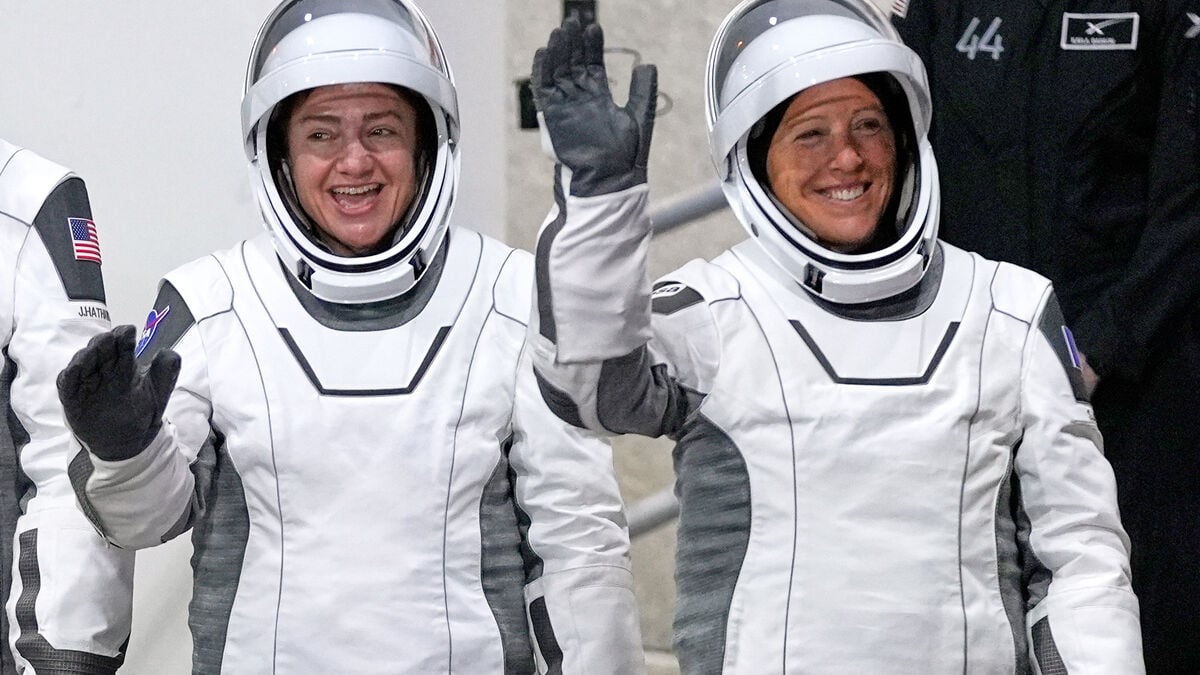
The International Space Station (ISS). It would be a prize that could both celebrate what collaboration can bring and give politicians a little kick in the butt to regulate and secure more collaboration in the future in space, says Gjerløw.
Here are the ten most recent recipients of the Nobel Peace Prize:
2016: Colombian President Juan Manuel Santos.
2017: International Campaign to Abolish Nuclear Weapons, ICAN.
2018: Congolese doctor Denis Mukwege and Yazidi activist Nadia Murad from Iraq.
2019: Ethiopian Prime Minister Abiy Ahmed.
2020: UN World Food Programme (WFP).
2021: Journalists Maria Ressa and Dmitry Muratov, working in the Philippines and Russia, respectively.
2022: Imprisoned Belarusian democracy activist Ales Bialiatski, the Russian human rights organization Memorial and the Ukrainian Center for Civil Liberties.
2023: Imprisoned Iranian women's rights activist Narges Mohammadi.
2024: Japanese atomic bomb survivor organization Nihon Hidankyo.
2025: Venezuelan opposition politician María Corina Machado.
Source: The Norwegian Nobel Institute