France has been hit by a painful heat wave this spring that has had devastating consequences for the country's residents.
The extreme heat has also been felt in the northern wine region of Champagne, where temperatures in June were just over 35 degrees. The heat has caused the grapes to suffer sun damage, and this year farmers have therefore lost an average of 40 percent of the first buds in the vineyards.
The taste changes
Fredrik Schelin is a champagne expert who lives part of the year in the classic wine region and follows developments closely. According to him, the champagne industry has been turned upside down, partly because the drink has taken on a different taste.
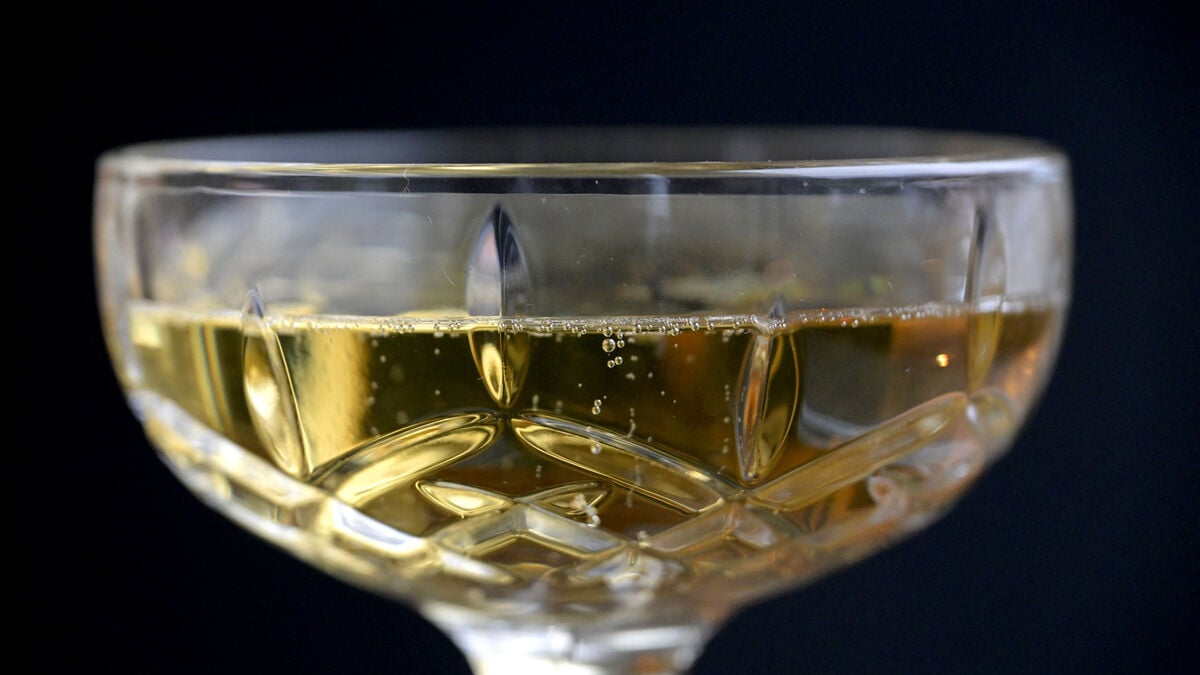
Champagne as we know it is lively, fresh, tart, crisp, bubbly. Some vintages today, with the constant heat, become sun-ripened and fruitier, a different type of champagne than we are used to.
Champagne should be produced with high acidity, but when the grapes ripen too quickly they lose it, he says.
The history and DNA of champagne is lost when you lose the acid, says Schelin.
Worrying future
Schelin is concerned about the future of the champagne industry and emphasizes the clear impact that climate change is having on the business.
It's a completely new reality, actually, and it's happened quickly. In 30 years, things have changed, we used to harvest in October, now we harvest in August.
With the changing climate, new phenomena will also emerge, such as new insects and pests to combat. They have not existed at this latitude before, but have moved up from the south, according to Schelin.
The constant heat during the summer months, where temperatures can reach 38-40 degrees, is also extremely stressful for the farmers who work in the vineyards.
It's getting too hot. The year before last, when there was such a heat wave, people died during the harvest.
Schelin explains that the warm vintages are now approaching, and if there are no cooler vintages, the entire style of champagne risks changing within five years, he predicts, which in the worst case could eventually lead to the closure of the business.
Then a world heritage site will disappear. I hope I don't get to see it in my lifetime.
The Comité Champagne is a trade association that regulates Champagne laws in France. Headquartered in Épernay, in the heart of the Champagne region, it acts as a unified body for the entire Champagne sector.
The committee has existed since 1941 and works to protect the drink.
For about 20 years, Comité Champagne has been running a research center for climate change alternatives and conducting tests in the vineyards.
The tests can involve planting different grapes, turning and twisting vines, and seeing how to meet the challenges that come with climate change.