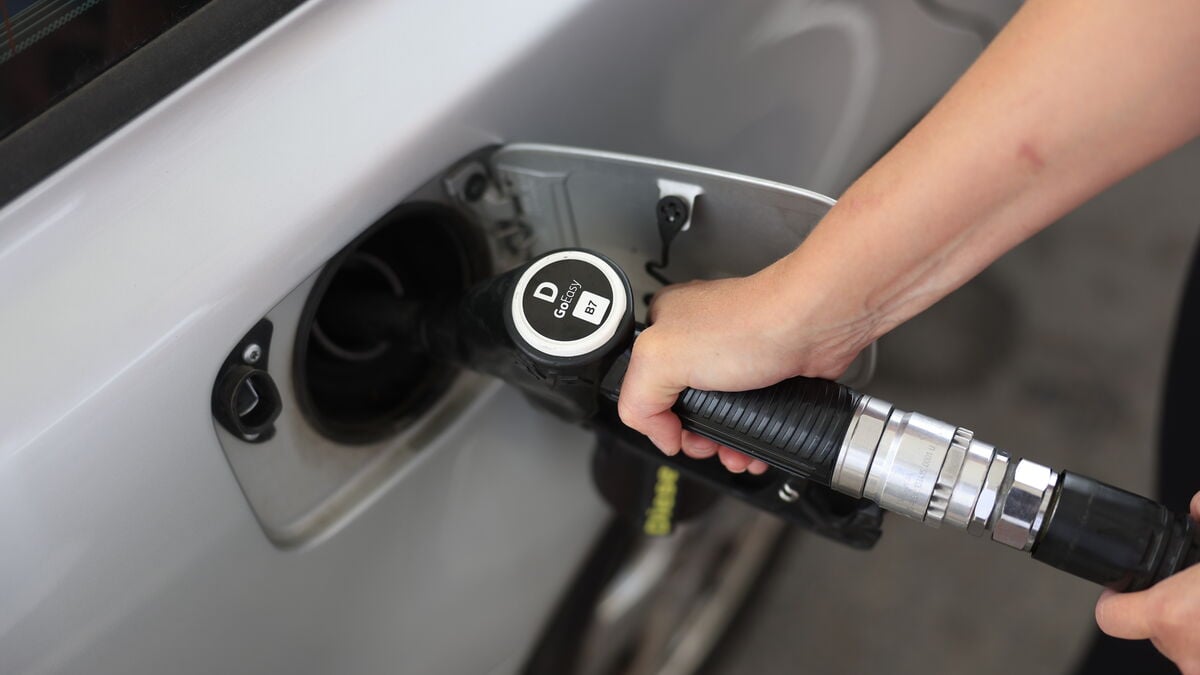
Reduced fuel taxes combined with falling oil prices have created a rush to Sweden's petrol and diesel pumps. However, no price reductions are visible at the country's larger car-sharing companies. Here, the customer pays the same price per kilometre as before, while the companies cover the fuel costs.
Total cost
Christian Hallin, head of information at Toyota Sweden, which owns the car pool Kinto, explains that prices are not adjusted based on short-term changes in the market.
"Our ambition is to offer predictable prices over time rather than continuously following fluctuations in the fuel market," he writes in an email response to TT.
The price per kilometre is instead set based on the overall cost of operating and maintaining a car pool. This includes everything from vehicles and investments to servicing and insurance, he says.
Clarity is crucial
According to Christine Fransholm, consumer adviser at Swedish Consumers, those who use carpooling may end up in a worse position than those who drive their own car.
Clear pricing conditions are crucial. Then the model can be reasonable, provided that companies do not raise prices when fuel prices rise, she tells TT.
However, Christian Hallin emphasizes that Kinto is consistent in its pricing.
“We also did not increase our price per kilometre when fuel prices were at record highs,” he states.
In OKQ8's car pool, the lion's share of the cars are electric and are therefore not directly affected by petrol and diesel prices. Here too, the explanation for the unchanged prices is that factors other than energy costs, such as wear and tear, are the driving force.
TT has also contacted the car pool company Hyre for a comment.