Earlier this year, the government was on the warpath in Brussels against the EU Commission and Danish Energy Commissioner Dan Jørgensen. The proposal involved a plan that would allow the EU to use 25 percent of Swedish bottleneck revenues for joint projects, amounting to many billions. In March, it was announced that Sweden would not have to share the money with other countries.
But in the continuing negotiations about how the money can be used, a new conflict has arisen.
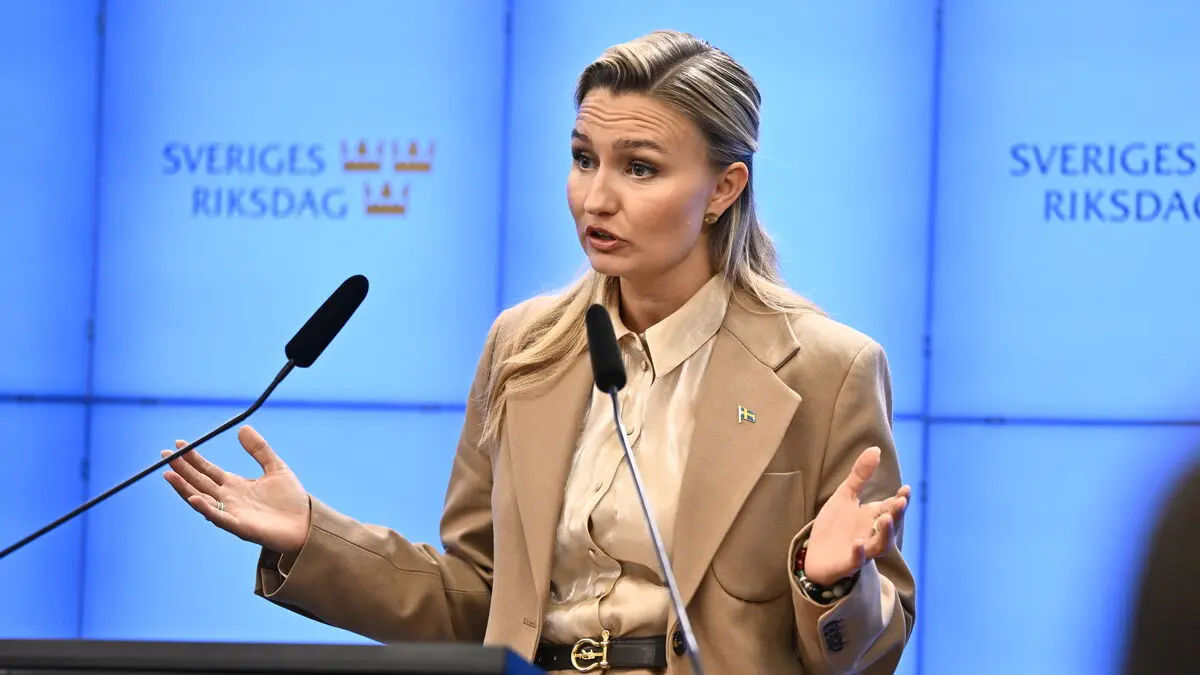
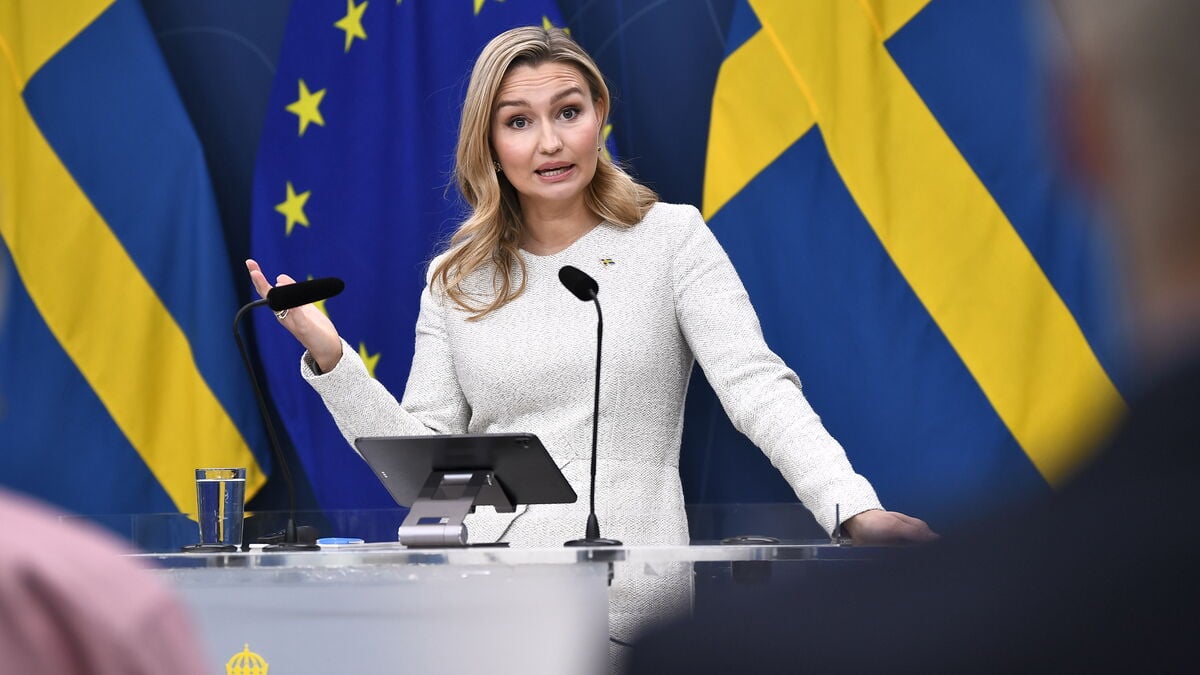
There are proposals that are unacceptable to Sweden, says Ebba Busch.
Paying for nuclear power
She says the government wants to be able to use the revenue freely, not just to expand the electricity grid. Among other things, the government wants to use the money for electricity subsidies if needed in the event of a prolonged energy crisis caused by a closure of the Strait of Hormuz, and to expand power production such as hydro and nuclear power.
When asked if the government wants to use billions in fees for Sweden's program for new nuclear power, Busch answers:
That's not the primary purpose, but it could be part of it.
This could mean that Swedish electricity customers may have to pay for part of the new nuclear power via their electricity bill, in advance.
However, the indications from Brussels are that Sweden will not be allowed to use the bottleneck revenues more freely.
Pauses electrical cable project
The government's response is now not to invest in new cables to the continent. A real blow, according to Ebba Busch.
We are suspending Konti‑Skan Connect to Denmark until we are heard by the EU, she says.
It is a new electricity cable between southwest Sweden and Jutland in Denmark that would replace two aging cables currently in place. It is an EU-prioritized project worth several billion. The government is now asking Svenska kraftnät to remove it from the investment plan.
At the turn of the year 2025/26, there were approximately SEK 85 billion in Svenska kraftnät's bottleneck account. A further SEK 130 billion is expected over the next ten years. The revenues arise as an effect of the large price and production differences between the four electricity areas in Sweden and abroad.
According to the Ministry of Energy and Enterprise, the dispute over the fees is about future fees, not the billions that are already in the account.
Bottleneck revenues arise when there is not enough transmission capacity for electricity between different electricity areas.
The bottleneck income consists of the price difference between the areas and goes to the party that transports the electricity between the areas, that is, Svenska kraftnät.
The largest price differences are usually found between electricity area 2, southern Norrland, and area 3, Svealand. Sweden has four electricity areas.
The idea is that the state-owned Svenska kraftnät will use the bottleneck revenues to expand the electricity grid and thus increase the capacity to transfer electricity between electricity areas.
So far, much more money has flowed in than Svenska kraftnät has had time to spend.