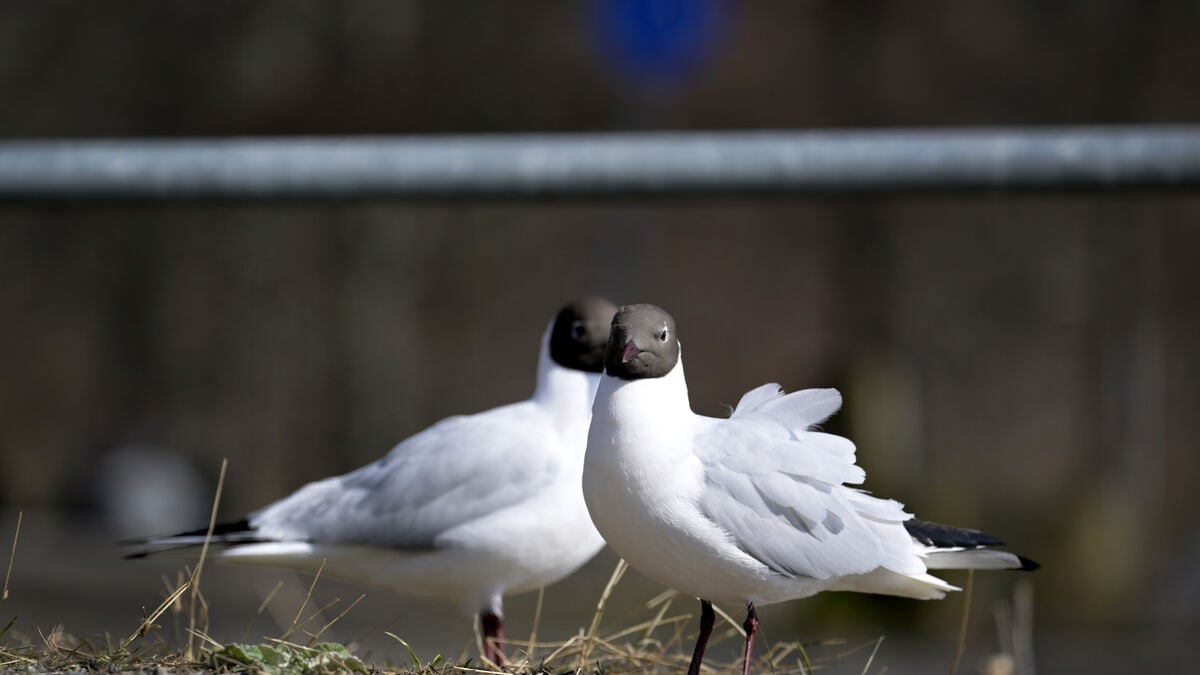
Researchers at Linnaeus University have monitored the outbreak using GPS-tagged black-backed gulls, which provided an opportunity to study how the virus affected both survival and behaviour in wild birds.
"At each affected colony, chicks with disease symptoms could be seen at the water's edge, while dead young birds floated in the water. Adult birds showed neurological symptoms such as the inability to use their legs properly and convulsive head movements," says Jonas Waldenström, professor of microbiology, in a press release.
The infected colonies showed altered behaviour. The gulls moved significantly less during the breeding season than normal and began their autumn migration almost two weeks earlier than expected. According to the researchers, the infection is the likely cause.
After the outbreak, researchers recaptured black-backed gulls that had survived the infection to analyse their immunity. One year after the outbreak, they had high levels of antibodies to the virus. Two years later, the proportion of birds with protection had not decreased, although antibody levels had decreased.
"The results suggest that black-backed gulls that survive the infection may be protected against the virus for at least two years," says doctoral student Alessia Ostolani.