Approximately SEK 85 billion is in the account today. A further SEK 130 billion in bottleneck fees is expected over the next ten years – money that arises as an effect of the large price differences for electricity between the north and the south, the so-called bottleneck fees.
The EU has "threatened" to use the Swedish billions to build electricity grids in Europe, which has caused political protests.
Is it therefore important for you to show that there are plans for this money?
"Absolutely. We think it is very important that this money is discussed," Jacob Henriksson, CFO at Svenska kraftnät, says.
"What we have done is collect the money, we are lowering the fees here and now for Swedish electricity consumers, and we are eliminating the problem," he continues.
The enormous bottleneck fees paid to Svenska kraftnät have been criticized from all sides over the years. This is money that Swedish electricity customers in southern Sweden have indirectly paid in the form of higher electricity prices.
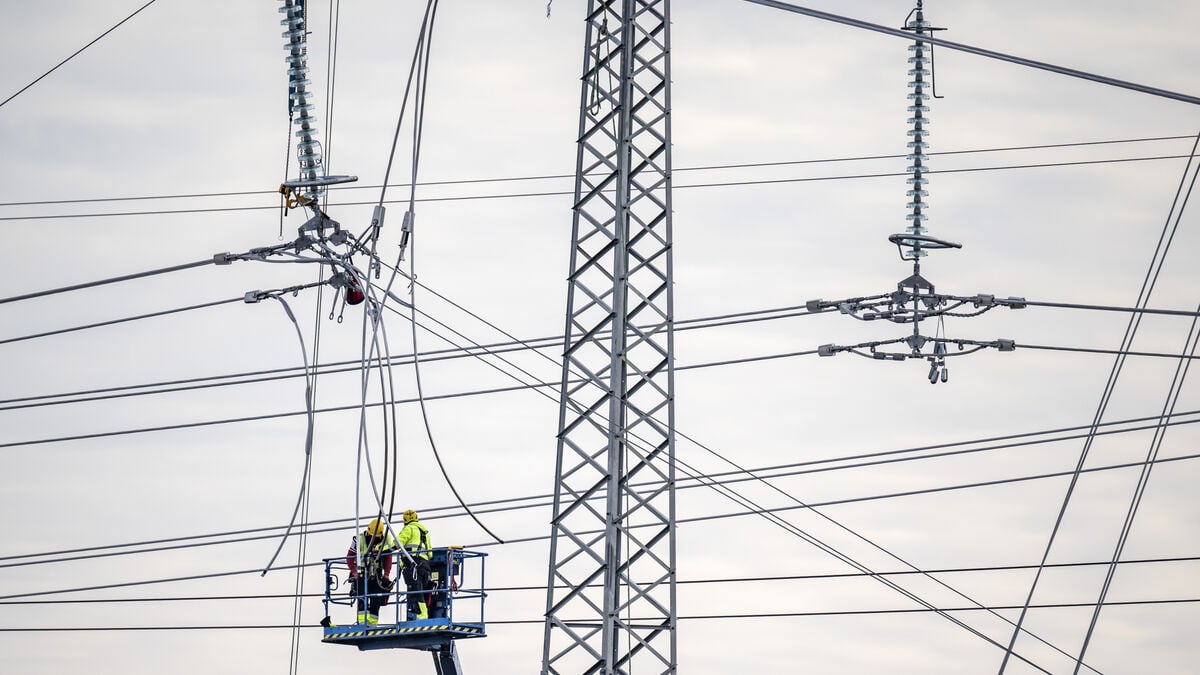
The money is intended to be used to expand the electricity grid. So far, the authority has not yet had time to do so, but there are now concrete plans for investments of SEK 215 billion over the next ten years.
"Now we are putting this money that has been set aside into action," Jacob Henriksson says.
The idea is that the capacity shortages in the electricity grid will largely disappear. The result will be that electricity prices between north and south will be equalized.
"Once we have made these investments, the bottleneck fees will go down," he says.
By 2035, there will be zero kronor left in the account.
"If we had done this without having this money, it would have gone on the electricity bill."