"We are in a ceasefire: the Israeli military is prepared to continue fighting if such an order were to come," said Effie Defrin, a spokeswoman for the Israeli military, in a statement, the BBC reports.
A senior American source told Reuters that the ceasefire was negotiated by the United States and Qatar with the help of Iran. It is not clear how long the ceasefire between Israel and Hezbollah will last.
The pause in the fighting follows a series of bloody attacks.
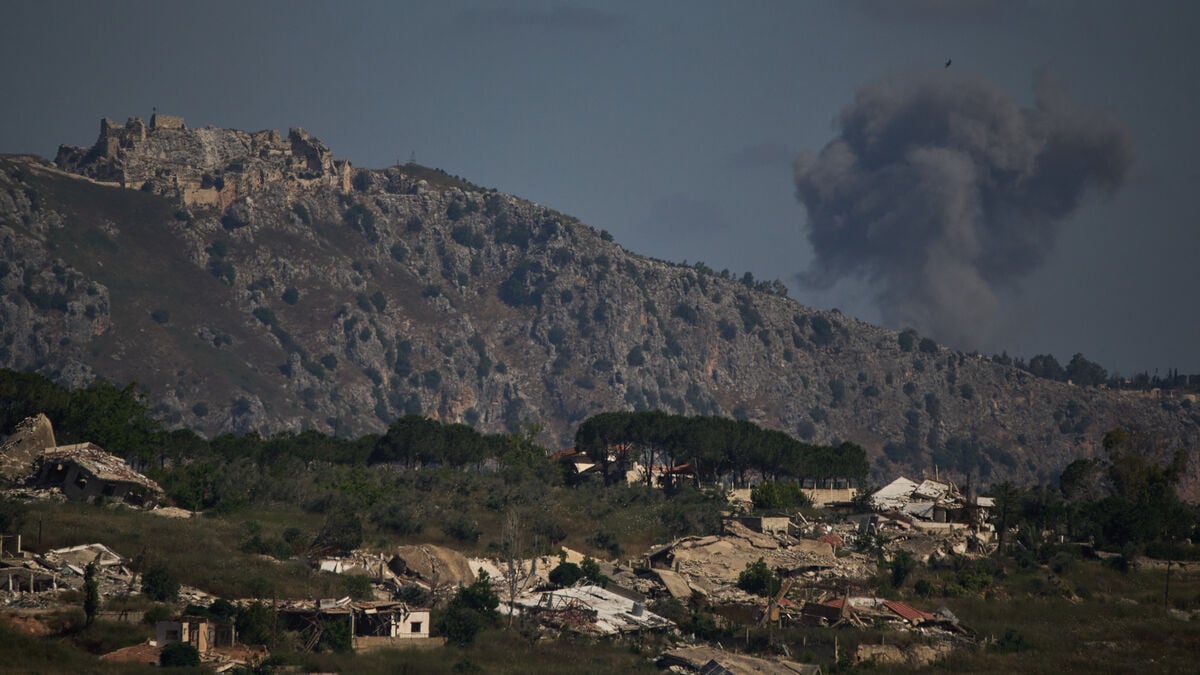
At least 47 people were killed and 97 wounded in Israeli airstrikes on Lebanon on Friday, the Lebanese health ministry said, AFP reports. The Israeli military said the strikes targeted around 80 sites in southern and eastern Lebanon in response to "repeated violations" of the ceasefire by the Shiite militia Hezbollah.
Prime Minister Benjamin Netanyahu said he ordered attacks on dozens of Hezbollah targets after four Israeli soldiers were killed, The Times of Israel reports.
"Israel will not tolerate attacks on our soldiers or our territory, and will demand a very high price from Hezbollah for such attacks," he said on Friday.
Staying behind
Netanyahu also reiterated that Israel will remain in the security zone in southern Lebanon as long as necessary. Hezbollah, for its part, vowed to continue “defending its country and its people,” AFP reports.
The four Israeli soldiers who were killed have angered Israeli ministers. The soldiers - one of whom was a commander - were killed when Hezbollah fired on their tank in southern Lebanon's Kfar Tebnit overnight, The Times of Israel reports.
"For every tear from an Israeli mother, a thousand Lebanese mothers must cry. All of Lebanon must burn!", writes Itamar Ben-Gvir, far-right Israeli security minister, on X.
Iranian Foreign Minister Abbas Araghchi, in turn, responded to Ben-Gvir's comment with his own post on X where he wrote that "the genocidal death cult whose headquarters are in Tel Aviv is a threat to all of humanity," and continued:
"Its (the Israeli government's) only interest is perpetual war."
“The Gates of Hell”
The ultranationalist Israeli Finance Minister Bezalel Smotrich writes that it is time to “open the gates of hell.”
Israel's occupation of southern Lebanon and attacks on Iran-backed Hezbollah have been among the biggest stumbling blocks in negotiations to reach an agreement between the US and Iran.
Several media outlets, including CNN and the Financial Times, are reporting that the renewed Israeli airstrikes are the reason why Friday's planned peace talks between the US and Iran in Switzerland have been canceled.