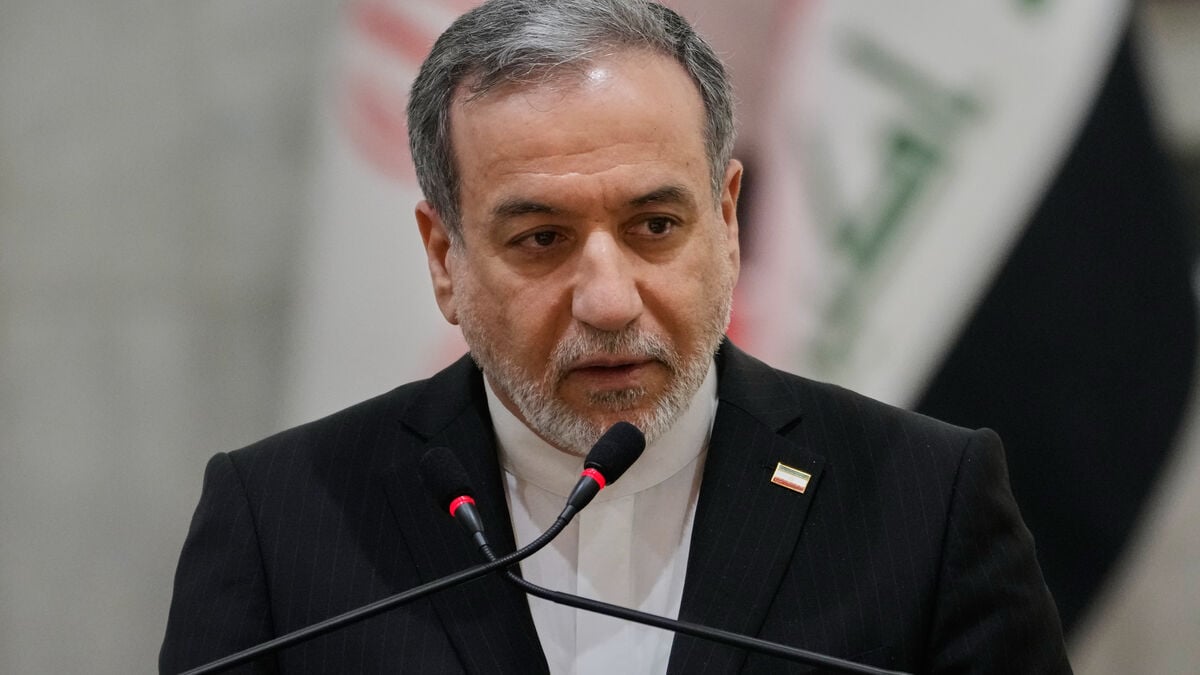
Araghchi arrived in Oman on Saturday morning to discuss how the Strait of Hormuz should be administered.
According to state-controlled Iranian television, the parties have “exchanged views on appropriate mechanisms to guarantee safe passage for ships.”
A source familiar with the negotiations told CNN that Oman has proposed that shipping traffic through the strait be conducted through two separate lanes. The southern lane in Omani territorial waters would allow free passage, while traffic in the northern lane, in Iranian territorial waters, would require prior approval from Iran.
Unclear about the US role
On Friday, a delegation from Qatar arrived in Iran with the aim of easing tensions between the countries and discussing the passage of ships in the Strait of Hormuz, reports the BBC.
It is unclear when those talks will be held. US Vice President JD Vance and Secretary of State Marco Rubio, as well as President Donald Trump's special envoys Steve Witkoff and Jared Kushner, are said to be overseeing the talks on behalf of the US.
However, Iran has said that negotiations with the Americans are out of the question until the US "withdraws from its positions," claims an "informed" source to the state-run Iranian Fars.
American deadline
Late Friday evening, AP reported that the US has demanded that Iran make a public statement declaring the Strait of Hormuz open and that Iran promise to refrain from further attacks on ships in the strait. According to Axios, the US has set Saturday, after the meeting in Oman, as the deadline for such a statement.
According to senior US administration officials, an internal power struggle is underway in Tehran. The sources say that a hardline, uncompromising faction within the Iranian power elite - which is trying to sabotage the ceasefire - is behind Iran’s recent attacks on merchant ships in the Strait of Hormuz.
A source tells Reuters that Iran has told the United States that this week's ship attack was due to a "missing part."