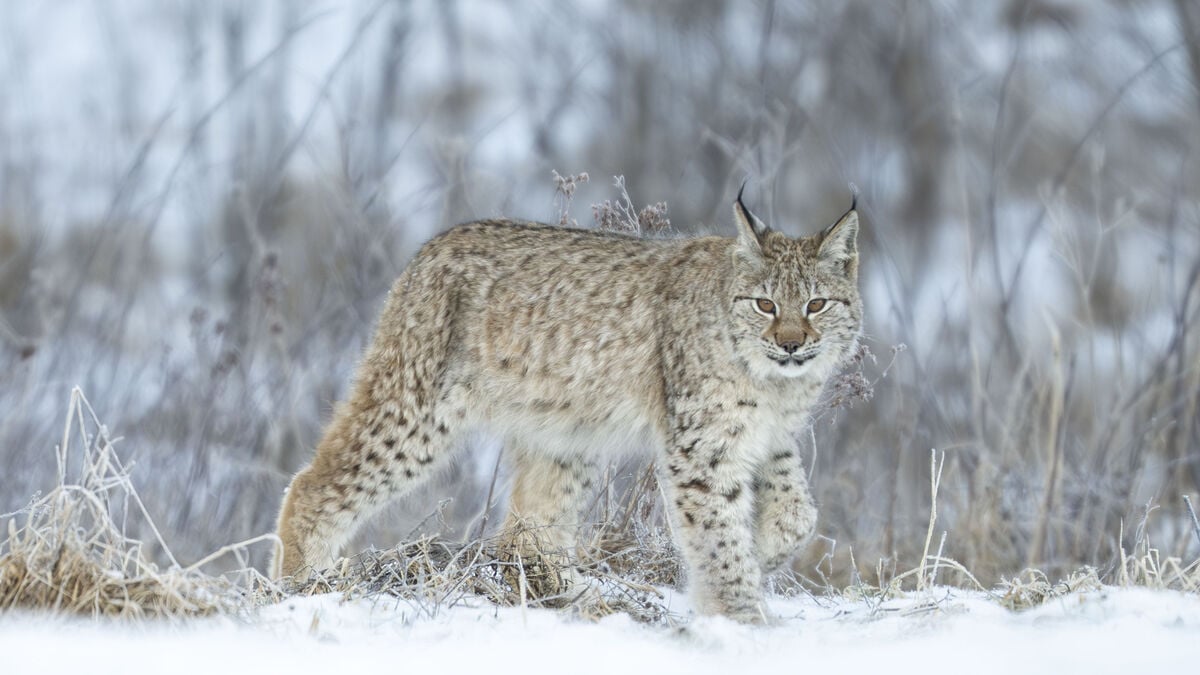
There are approximately 1,400 lynx in Sweden, and although the population has increased slightly, the species is still classified as vulnerable. The 153 animals covered by the licensed hunt constitute more than a tenth of the population.
The Swedish Society for Nature Conservation is now appealing the lynx hunt in all affected counties, except in reindeer herding areas in Västerbotten, Jämtland and Västernorrland.
The lynx is a strictly protected species under EU legislation. It is protected in Sweden; it is classified as vulnerable, and yet every tenth lynx is to be shot this year. We think that is wrong, says Isak Isaksson, biodiversity and predator expert at the Swedish Society for Nature Conservation.
Preventive measures
In the short term, it is hoped that the hunt will be stopped with immediate effect.
In the longer term, we believe that we must focus on preventive measures and coexistence instead of recurring large-scale licensed hunting.
The World Wildlife Fund (WWF), like the Swedish Society for Nature Conservation, has reacted to the extent of this year's hunting.
We do not see that it is reasonable to hunt a species on such a large scale when it does not cause such significant damage and can also effectively contribute to the ecosystem by regulating other prey animals, says Benny Gäfvert, predator expert at WWF.
The licensed hunt is motivated by the desire to reduce damage to domestic animals, but outside reindeer herding areas, the damage is very small. Isak Isaksson points out that, according to statistics from the SLU Wildlife Damage Center, less than 0.01 percent of the country's sheep were killed by lynx last year.
There is no reason, if you look at the rules that apply in the EU's species and habitats directive. The damage would have to be considerably greater.
During the mating season
Both the Swedish Society for Nature Conservation and the WWF are critical of the hunting being carried out during the lynx mating season.
This is not only ethically questionable, but it also affects the composition of the population. If a male is shot during the short mating season in an area where there are many females, there is a risk that regeneration will be negatively affected, Gäfvert explains.
According to the law, hunting must be conducted in a way that does not expose animals to unnecessary suffering. In our opinion, hunting lynx during the mating season does not meet that requirement, points out Isak Isaksson.
In January, the Court of Appeal in Sundsvall put a stop to this year's wolf hunt after the hunt was appealed by the Swedish Society for Nature Conservation.
It shows that the law applies even when it is politically sensitive and that the rule of law can function as a protection for nature.
The lynx is Europe's largest cat.
Lynx are at the top of the food chain and play an important role in our ecosystems. They are skilled solitary hunters and can, for example, regulate the number of roe deer and fallow deer, while also helping species such as wolverines and golden eagles by leaving food scraps behind.
There are around 1,400 lynx in Sweden, according to the latest estimate, and the species is found across virtually the entire country.
Mating takes place in March. The female has a gestation period of 68–72 days and gives birth to one to five young in late May–June. The young stay with the female for about ten months, until the mating season the following year.
The lynx is protected and classified as "vulnerable" on the Swedish Species Information Bank's red list, and has strict protection in the EU's nature conservation directive.
In addition to legal and suspected illegal hunting, traffic and fox mange are significant causes of death.
The lynx hunt runs from March 1 to March 31 in southern and central Sweden and until April 15 in the north. In this year's licensed hunt, the county administrative boards have decided to kill a total of 153 lynx in the country.
Source: WWF, NE