CTE (chronic traumatic encephalopathy) is a brain disease caused by repeated blows to the head. The disease can potentially affect memory and increase the risk of depression. But the diagnosis is controversial. Some say it affects many people, others say the risks are exaggerated.
The diagnosis of CTE is only made after death, when doctors examine the brain.
In CTE you see a specific accumulation of tau, a protein linked to dementia. We all have tau in the nerve fibers in the brain, but in CTE it begins to precipitate and accumulate in clumps, says Niklas Marklund, professor of neurosurgery.
As early as the 1920s, researchers were able to see changes in the brains of deceased boxers, and around 20 years ago the disease came into focus when a number of American football players were found to have CTE after death.
Niklas Marklund says that researchers at Boston University, among others, believe that CTE is common among elite athletes, while others are more skeptical.
“Not going very well”
There is a lot of debate about this in the US. Boston is leading the charge and says much of it is CTE; other factions think differently. I am somewhere in the middle. There is an increased risk of dementia with repeated blows to the head, but the benefits of sports outweigh the disadvantages.
Symptoms may include impaired memory, poor impulse control, and a greater tendency toward substance abuse and depression.
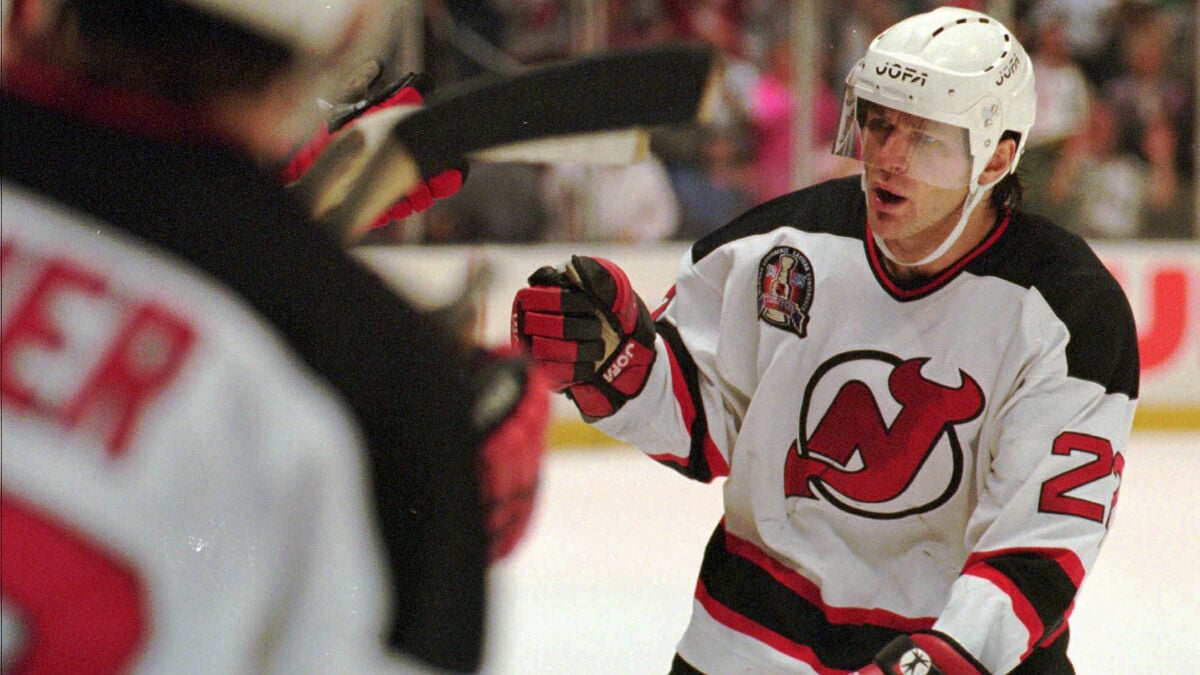
It has been speculated that Claude Lemieux suffered from CTE and his family has now donated his brain to Boston University for research.
"Scientists are trying to connect the symptoms that athletes have with CTE, but it's not going very well. There is no clinical diagnosis; it's a diagnosis that is made after death," says Marklund.
Excessive
I hear from colleagues in the US about young people who have had a few concussions who say, "Now my life is over, I'm going to get CTE." That risk is incredibly exaggerated. There is also no increased tendency for suicide among athletes in contact sports.
When Claude Lemieux was active in the NHL, knowledge about concussions and their effects was limited. Now it's different, says Niklas Marklund.
People have become better at recognizing concussions and there is now a standardized return-to-play protocol, the brain ladder. If you keep an athlete away from new blows for at least a week after the first blow to the head, much is gained.
Facts: This is where you can turn if you feel unwell
In emergencies or if you have thoughts of suicide, always call 112.
This is where you can turn if you feel unwell:
Mind.se.
Suicide Zero – suicidezero.se.
Spes – National Association for Suicide Prevention and Survivor Support. spes.se.
On-call buddy – receives calls from children and young people up to the age of 25. jourhavandekompis.se.
On-call fellow human being – can be reached at night on 08–702 16 80.
Friends – friends.se.
1177 – healthcare advice and information about the nearest psychiatric emergency department. 1177.se
National mental health and suicide prevention helpline – reachable 24/7 at 90390.