The Andersberg area in Halmstad municipality is no longer considered a vulnerable area. The area was classified as vulnerable in 2023, but has had low problem levels for a long time, and the criminal activity is not as noticeable, the police assess.
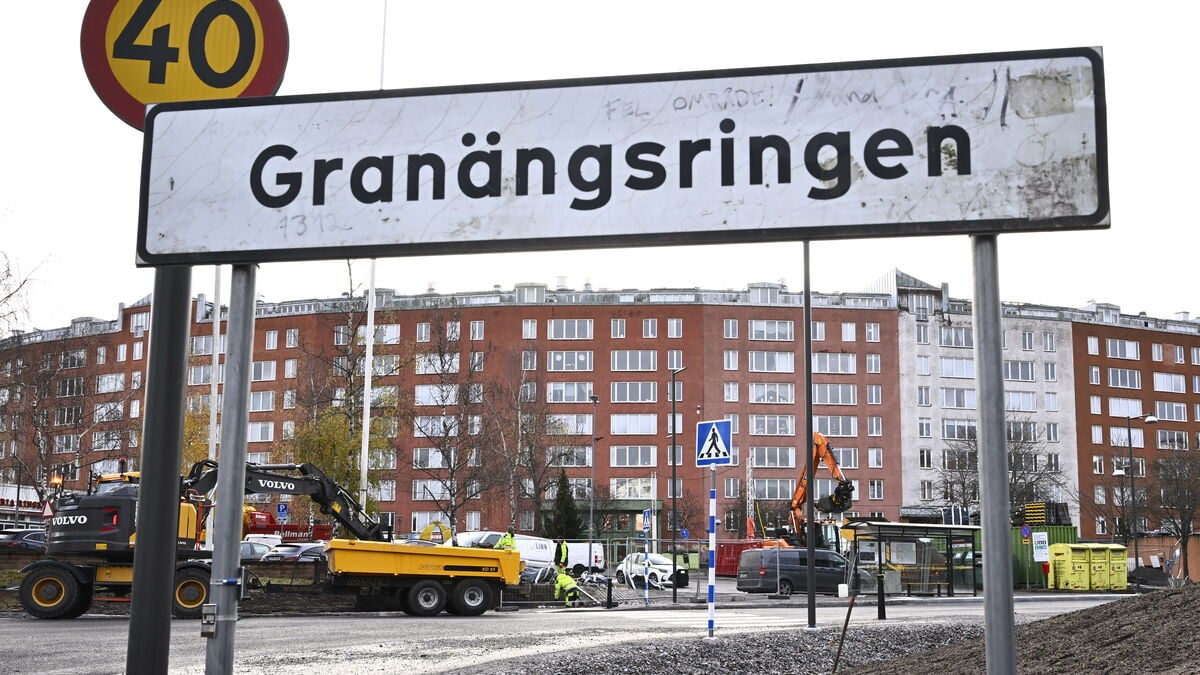
At the same time, Granängsringen in Tyresö municipality is now classified as vulnerable due to the criminal structure in the area having persisted over time.
More areas are now classified as vulnerable than in the previous situation picture in 2023. At that time, 59 areas were assessed as vulnerable areas, of which 17 were particularly vulnerable. However, the increase is due to a change in the area division where seven areas have been divided into several smaller ones to achieve greater precision, according to the police.
“Perceived security”
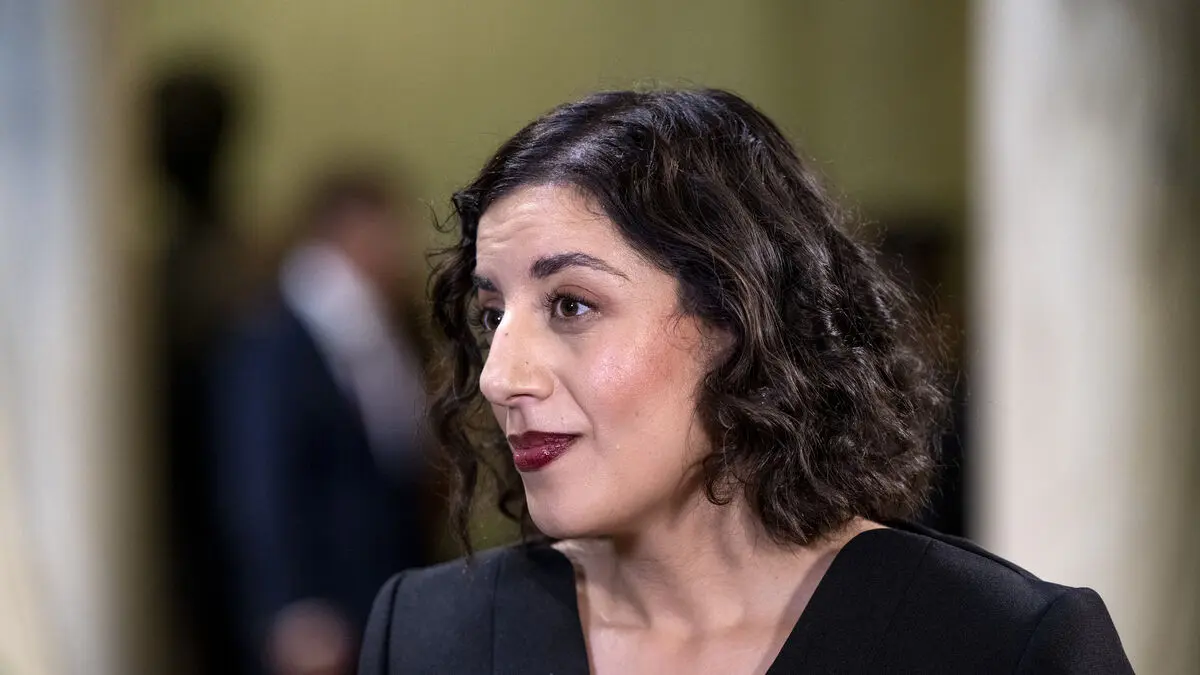
Charlotta Höglund, head of the intelligence unit at Noa, describes the development as stable. Even in the previous situation report in 2023, the situation was persistent, which was seen as worrying at the time.
Now, however, Höglund points to a slightly positive trend.
The open drug trade has disappeared from the streets and squares, so it creates a sense of security for the residents. There are fewer attacks on police and police vehicles and fewer disturbances. Overall, it has also become easier for others, such as field assistants and security guards, to be able to work in these areas, she says.
Vulnerable areas continue to be strongly linked to serious violence. Of all shootings in 2022–2024, around 60 percent are linked to vulnerable areas – either because they occurred there, or because a criminal actor connected to the area is a suspect or victim.
“Work hard”
In their situation report, the police also emphasize that crime has become less local and more cross-border. Instigators of violent crimes are often found abroad and the perpetrators are often very young people who are recruited digitally from other parts of the country.
Höglund mentions cooperation between the police and municipalities and other social actors as the most important factor in reversing the trend. Also new tools such as preventive stay bans. But she emphasizes that change takes time.
This is about long processes. To reverse this kind of development, you need to work sustainably and long-term and with a number of initiatives over time.
Facts: Situation in 2025
65 areas are now classified as vulnerable, of which 19 are particularly vulnerable.
The area boundaries for some areas have changed, which means that the number has increased since the previous situation in 2023 – from 59 to 65 – although the situation is approximately the same.
58 of 59 areas remain as vulnerable areas. One area has been added (Granängsringen in Tyresö) and one has been removed (Andersberg in Halmstad).
Among the 46 vulnerable areas that are not particularly vulnerable, 12 have developed positively, four negatively and the rest are unchanged.
Among the 19 particularly vulnerable areas, three have developed positively, two negatively and the rest are unchanged.
In this year's situation report, the police have removed the category "risk area".
The situation reports have been published every two years since the first list was published in 2015. The purpose is to facilitate the distribution of resources and, according to the police, it increases "the conditions for creating safety and security for the public."
Source: Police
The police divide Sweden's vulnerable areas into three categories.
Vulnerable area: Characterized by low socio-economic status where criminals have an impact on the local community. May be threats and extortion, but also violence in the streets and squares and open drug dealing. The situation is considered serious.
Particularly vulnerable area: Here it is "difficult or almost impossible" for the police to fulfill their mission. Systematic threats and acts of violence against witnesses and victims in the area. Also parallel social structures, extremism and high concentration of criminals. The situation is considered urgent.
The situation is based on data from local police areas. The problem picture is assessed, among other things, based on the degree of vulnerability based on the occurrence of threats, extortion or acts of violence in a public environment that risk harming third parties, open drug trafficking, outward dissatisfaction with society and the residents' willingness to participate in the legal process.
Source: Police