
Key facts
- Website
- lansstyrelsen.se
Facts checked November 2026.
Is this your place? Get featured
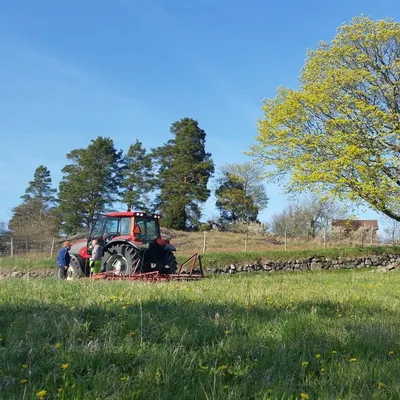
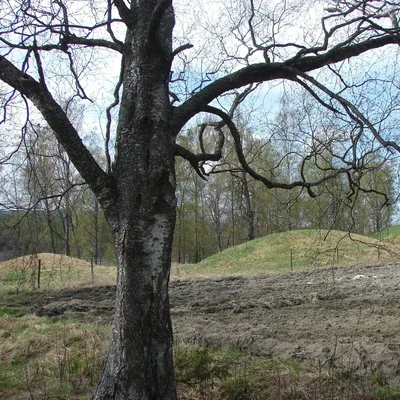
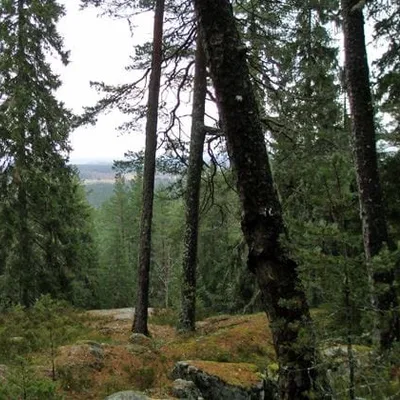
Hjulsta ekhagar is a nature reserve split in two by busy national road 55, so visitors must choose which side to visit first. The eastern pasture has two burial grounds with about 40 visible stone settings, evidence of people living here in the Younger Iron Age, between AD 500 and 1050. You can walk among the remains and flowering herbs, including helianthemum, milkwort and maiden pink. Smooth rock surfaces and the shade beneath the oaks offer places to sit. Grazing animals keep vegetation low, giving the flowers the sun and warmth they need.
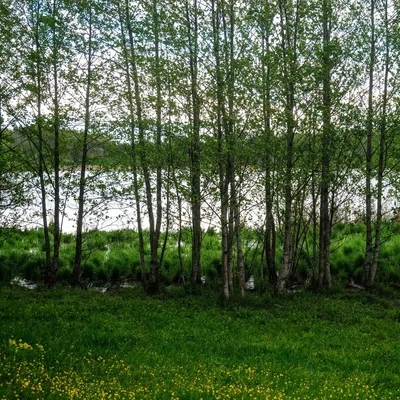
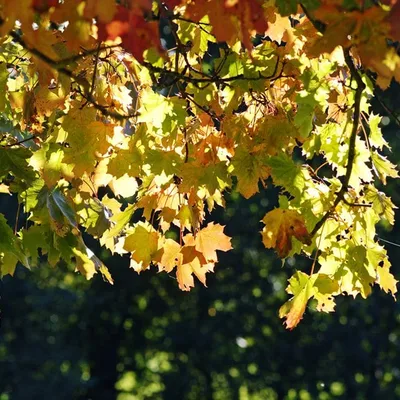
The western side has some of the area’s largest oaks. The pasture was once grazed by the king’s sheep; after grazing stopped, it began to grow over. The reserve’s account says grazing cows are to keep it open again, with the aim of making it as accessible as the eastern side. Old grazed oak pastures provide habitat for insects, lichens and fungi. The endangered hermit beetle develops in hollow old oaks and, as its name suggests, smells of leather. Small birds live among the bushes and deciduous trees. Enjoy the birdsong without disturbing the wildlife or plants.
Good to know
Choose which side of road 55 to visit first, and avoid disturbing the animals and plants.
Get there
Ratings and reviews
The readers' rating shows from 3 ratingsBeen to Hjulsta ekhagar? Rate it with the same Sweden Herald account you use for comments. Ratings come from readers only, never from the place, and nobody can pay to change them.
More things to do in Uppsala
See the list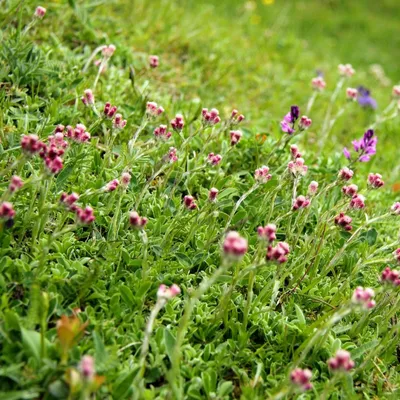
Sources and data
Visit Sweden national API and Sweden's regional tourism organisations. Text and ranking by Sweden Herald. Facts are checked against the sources above; opening hours and prices can change, so check with the place before you go.
Something wrong? Tell us · Work with us · Updated 7 November 2026