
Key facts
- Address
- VisingsöMap and directions
- Website
- jkpg.com
Facts checked November 2026.
Is this your place? Get featured
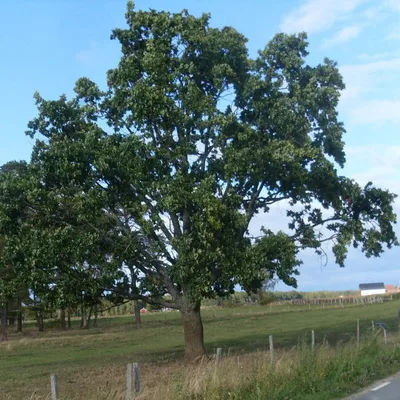
Visingsö’s mulberry trees are the remains of a silk-growing project begun in the 1830s. The trees are unusual at this latitude. Visitors can explore the gnarled trees, which are the surviving remains of a plantation that once had 1,500 trees.
Mulberry trees were planted around Sweden in the 18th century, when silk from China was in demand. Silkworms feed only on mulberry leaves. The plantation on Visingsö used the hardier white mulberry, but the trees struggled in harsh winters. In 1850, plants were also damaged by rats and lemmings, and the silkworms suffered from disease. One year, the plantation produced 25 kg of silk cocoons, but it never yielded large quantities of silk. The operation closed in 1864.
You can reach the trees by bicycle, car or the ÖA-svängen bus, route 126, which runs on Visingsö.
Good to know
Reach the trees by bicycle, car or the ÖA-svängen bus, route 126, which runs on Visingsö.
Get there
Visingsö
Ratings and reviews
The readers' rating shows from 3 ratingsBeen to Mulberry trees on Visingsö? Rate it with the same Sweden Herald account you use for comments. Ratings come from readers only, never from the place, and nobody can pay to change them.
More things to do in Jönköping
See the list

Sources and data
Visit Sweden national API and Sweden's regional tourism organisations. Text and ranking by Sweden Herald. Facts are checked against the sources above; opening hours and prices can change, so check with the place before you go.
Something wrong? Tell us · Work with us · Updated 6 November 2026