
Key facts
- Website
- jhhistoria.wordpress.com
Facts checked November 2026.
Is this your place? Get featured
Ljusnedals bruk began in 1686 after copper ore was found near Ramundberget and a mine opened. Investors from Stockholm built a smelter, forge and water-powered saw at Ljusnedalsforsen, and a settlement grew around the works. Copper mining was not profitable, so in the 18th century the operation turned to iron ore. The ironworks became Härjedalen’s largest industry, but low-grade ore kept production modest. It made 121 tonnes of iron in 1840; in its final ten years, output was just over two tonnes a year. The works closed in 1879.
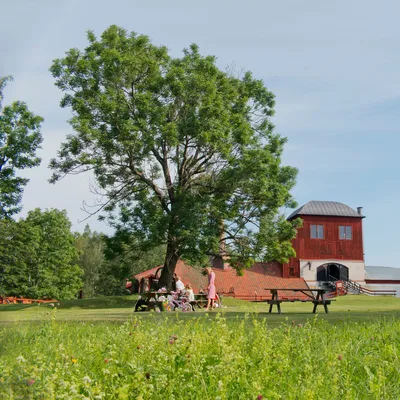
A cultural trail runs through the former industrial area, with information boards along the way. Buildings from the works remain, including a smithy, a 19th-century saw and a waterwheel for the forge; the site also has the foundation of the ironworks’ charcoal store. Ljusnedal’s church dates from 1757 and took its present form in 1796. A 32-tonne memorial stone, raised during the royal couple’s 1989 tour of Härjedalen, is made of Tännäs eye gneiss and came from the foot of Anåfjället.
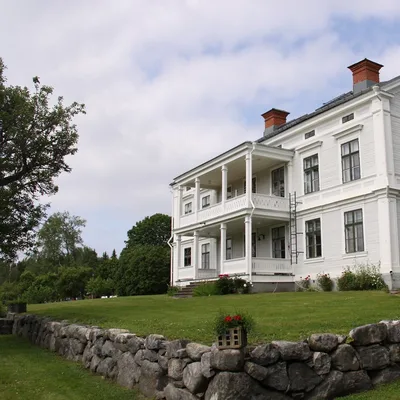
The manor house, built in 1858, burned down in 1937. Some of its saved furnishings can be seen at the Fjäll Museum in Funäsdalen.
Pictures


Picture 1 of 3
Get there
Ratings and reviews
The readers' rating shows from 3 ratingsBeen to Ljusnedals bruk? Rate it with the same Sweden Herald account you use for comments. Ratings come from readers only, never from the place, and nobody can pay to change them.
More museums in Jämtland Härjedalen
See the list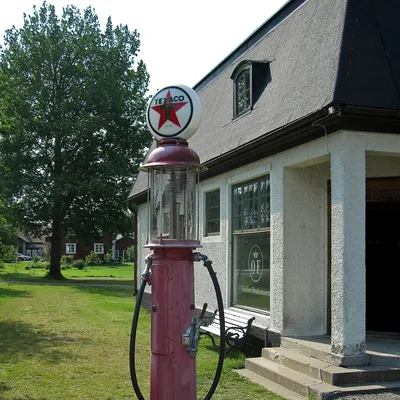
Sources and data
Wikidata, CC0. Text and ranking by Sweden Herald. Facts are checked against the sources above; opening hours and prices can change, so check with the place before you go.
Something wrong? Tell us · Work with us · Updated 8 November 2026