
Key facts
- Website
- ekomuseum.se
Facts checked November 2026.
Is this your place? Get featured
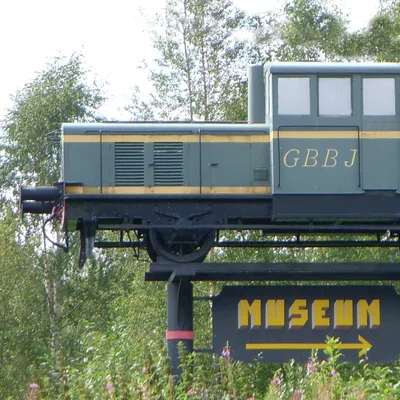
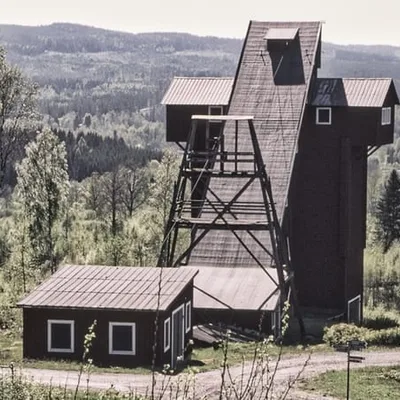
Grängesberg’s mine area grew from iron-ore workings dating to the 1500s into one of Sweden’s important mining centres. The pace picked up in the late 19th century, when London banker Ernest Cassel invested in the mines and formed Grängesbergs Grufve AB. The company also built a railway to Oxelösund to carry ore to the port.
The mine expanded into the surrounding community. Some homes had to be moved when mining undermined the ground beneath them. The old railway station, church and cemetery were also moved; the church was rebuilt in Orsa. The last houses in the old centre were moved in 1976. The mine closed in 1989, and the last ore train to Oxelösund ran in 1990. The mine environment visitors encounter today dates from the 1940s and 1950s. In 1975, 1,600 people worked there.
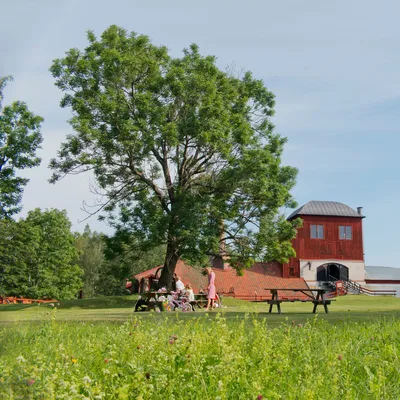
Mojsen, now a mining-history experience centre, began as a smithy making steel structures for the mine. It later became a workers’ dining hall, with a rest hall built on a doctor’s recommendation. Disponentparken, with its manager’s residence, opened in 1896 and is now a cultural park and excursion destination. The former workers’ housing at Stora Hagen and Källfallet is another part of the area’s history: the mine company built 22 houses, each divided into four flats.
Pictures


Picture 1 of 3
Get there
Ratings and reviews
The readers' rating shows from 3 ratingsBeen to Grängesberg mines? Rate it with the same Sweden Herald account you use for comments. Ratings come from readers only, never from the place, and nobody can pay to change them.
More museums in Dalarna
See the list

Sources and data
Wikidata, CC0. Text and ranking by Sweden Herald. Facts are checked against the sources above; opening hours and prices can change, so check with the place before you go.
Something wrong? Tell us · Work with us · Updated 8 November 2026