
Daily Swedish Culture
Discover Swedish cultural traditions, customs, holidays, and events. Learn about Swedish culture and what makes Sweden unique.
Images: Unsplash.com
Daily Swedish Culture
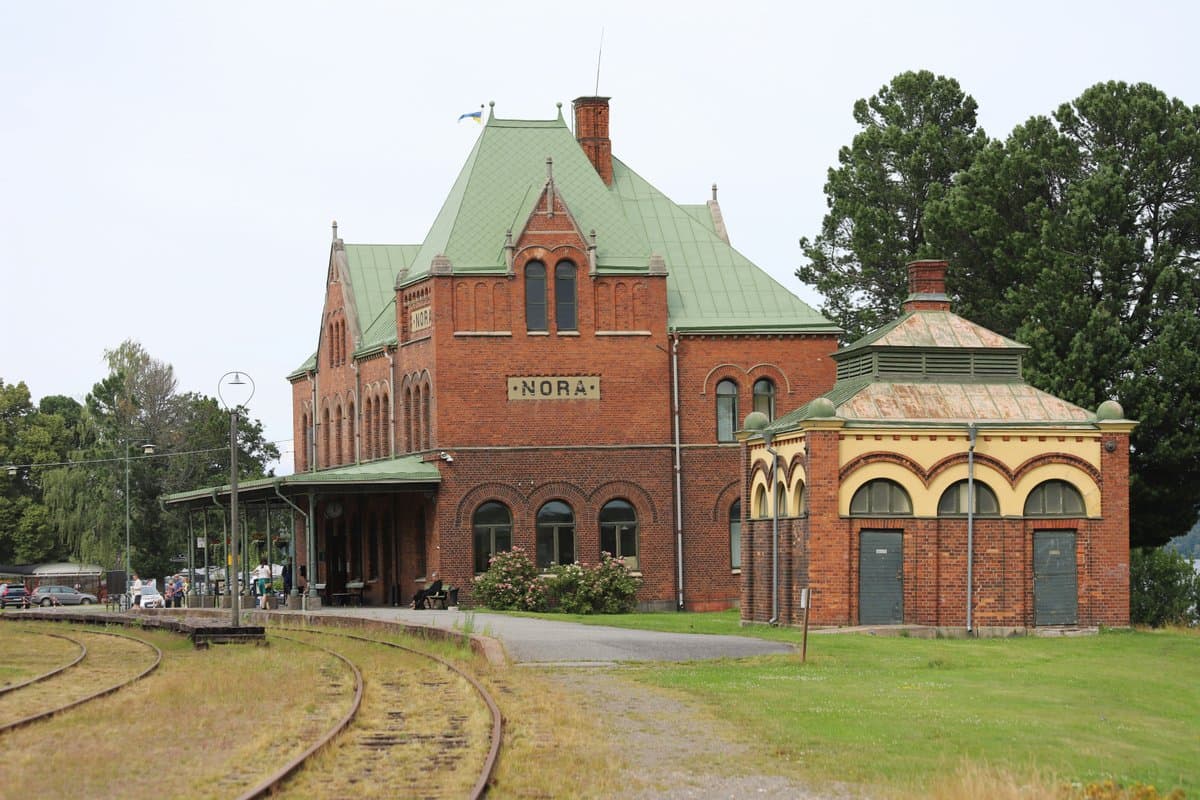
Termoskaffe
Thermos coffee
A kaffe-termos is the unofficial Swedish travel companion, on the bus, in the forest, or standing by a frozen lake, coffee is never far away.
Daily Swedish Culture
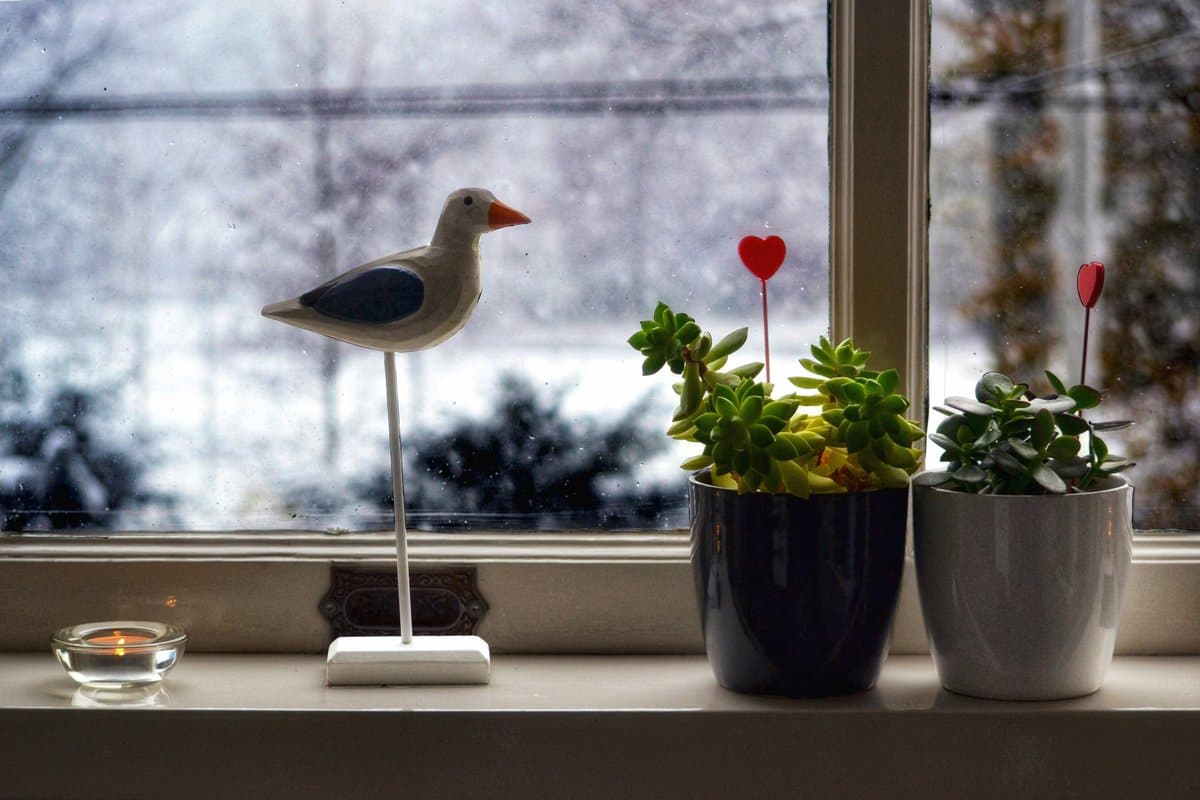
Gravljus
Grave candles
Around All Saints, gravljus turn cemeteries into quiet fields of light. People go, stand a while, and walk home without saying much.
Daily Swedish Culture
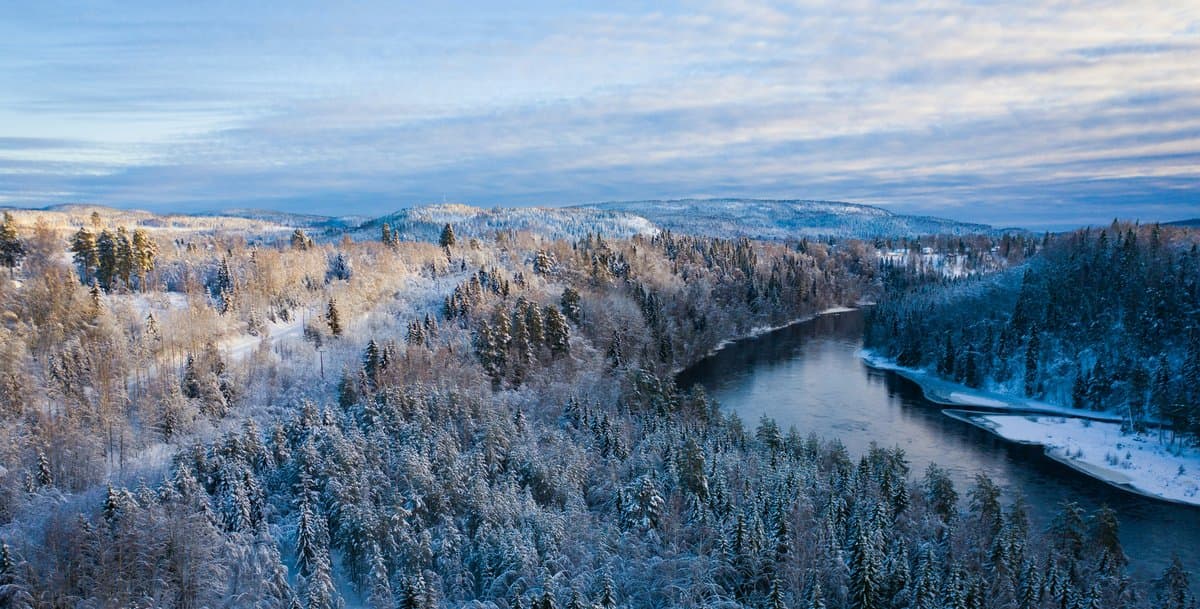
Första snön
First snow
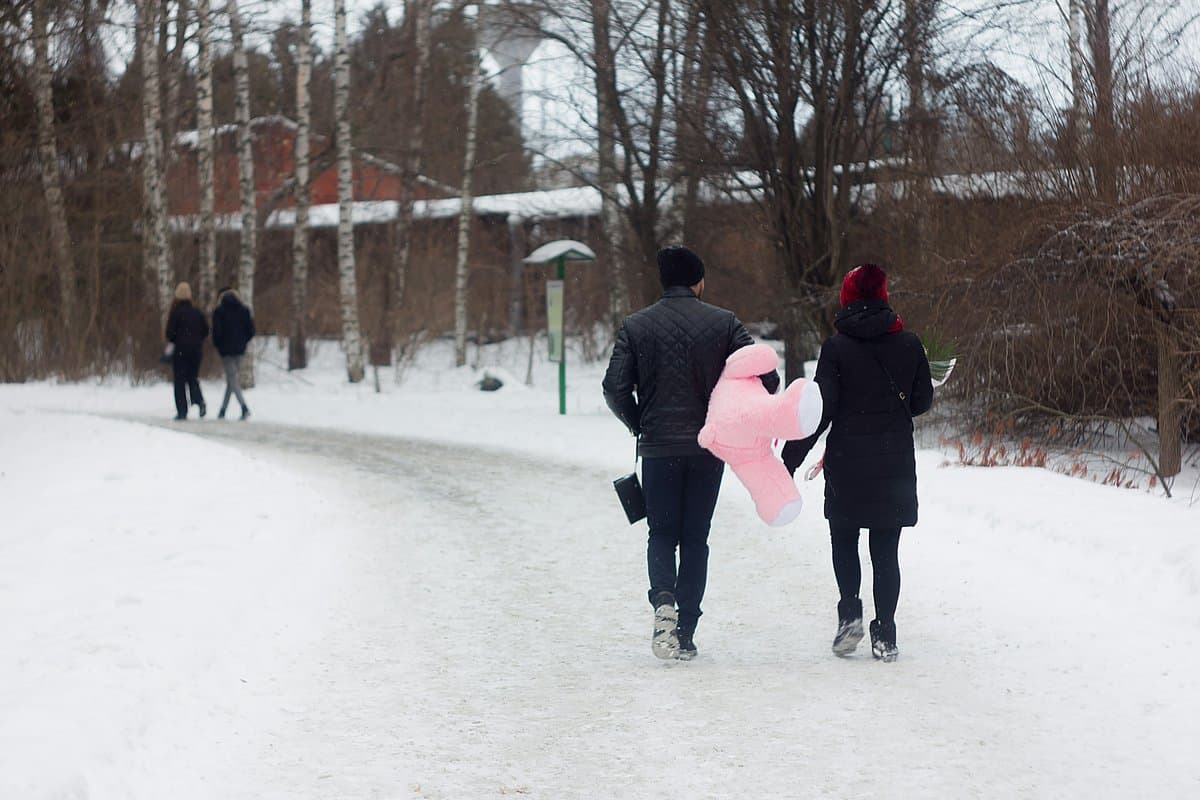
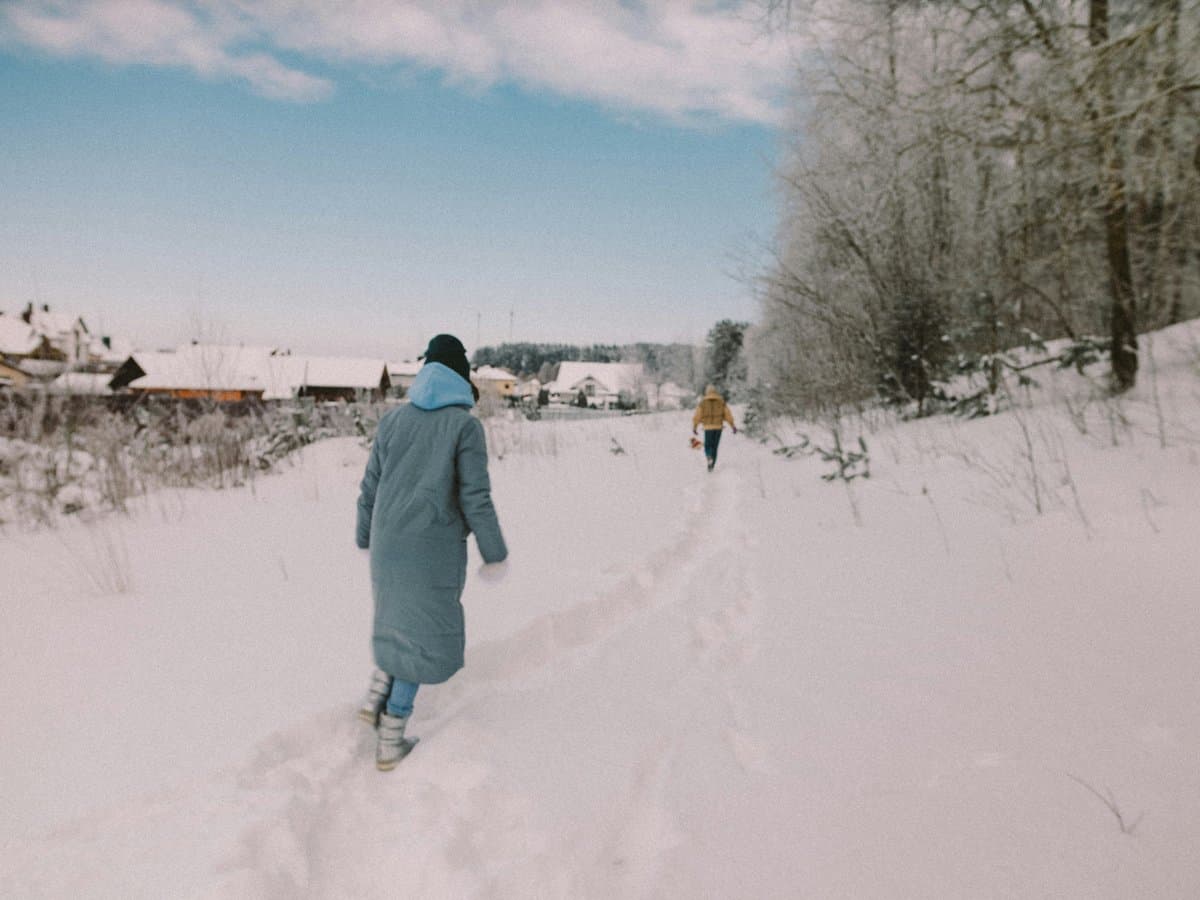
The first snow still stops conversations. It is either too early, too late, or exactly when someone had planned a long bike ride.
Daily Swedish Culture
Lövhögar
Leaf piles
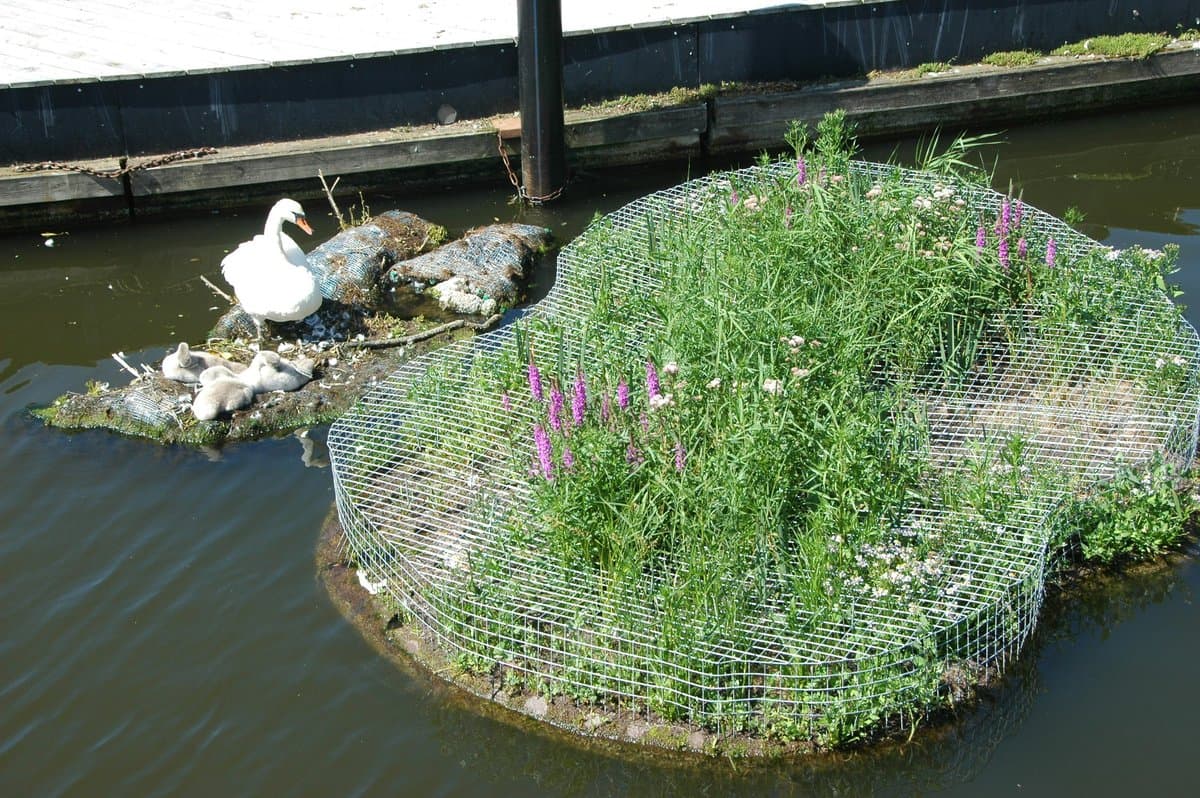
Leaf piles are children’s work and adults’ weekend. The smell is the whole point, even if the bags never quite close.
Daily Swedish Culture
Vintertid
Standard time returns
On the last Sunday of October the clocks go back, evenings collapse, and everyone agrees the extra hour was spent on nothing useful.

Daily Swedish Culture
FN-dagen
United Nations Day
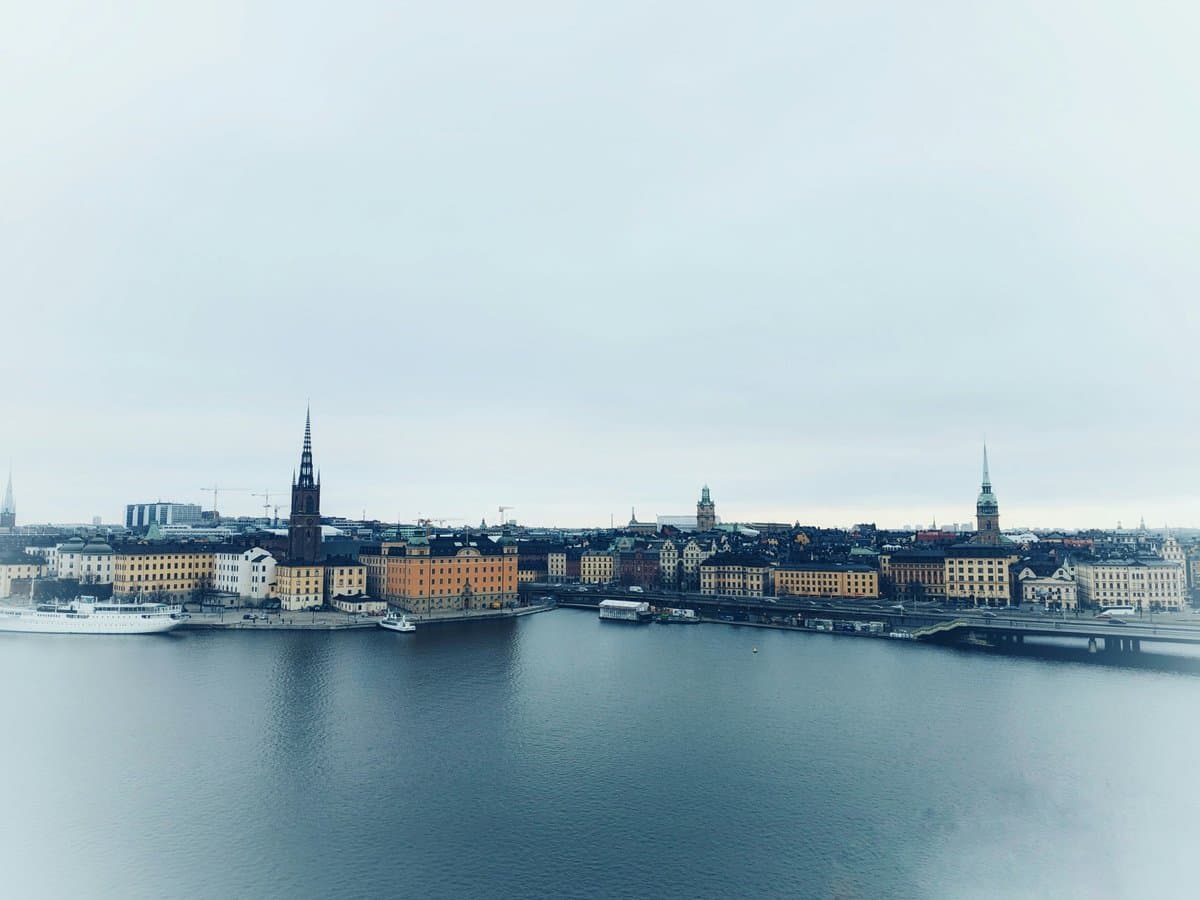
FN-dagen on 24 October is marked in schools and on the calendar, a quieter flag day that still gets the blue and yellow out.
Daily Swedish Culture
Flyttfåglar
Migrating birds
In September the sky fills with geese and cranes. People stop on cycle paths to watch, then are late, and do not mind much.
Daily Swedish Culture
Höstrusk
Autumn slop
Höstrusk is wind, wet leaves, and a sky the colour of a wet newspaper. Swedes dress for it and refuse to call it dramatic.
Daily Swedish Culture
Höstlov
Autumn break
Höstlov in week 44 is a short school break for indoor rest, candlelight, and at least one walk that was nicer in theory.
Daily Swedish Culture
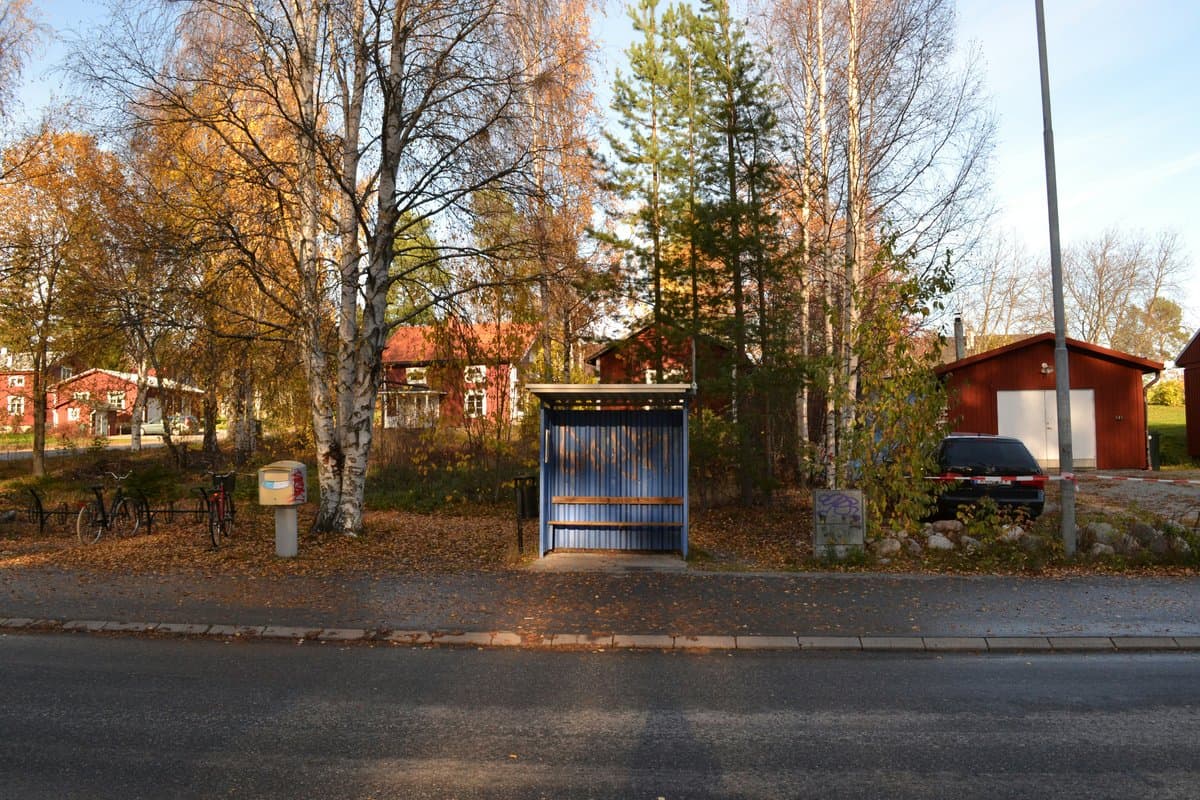
Höstdäck
Winter tires go on
The autumn tyre change is a national queue, a calendar argument, and the moment the car starts sounding like winter again.

Daily Swedish Culture
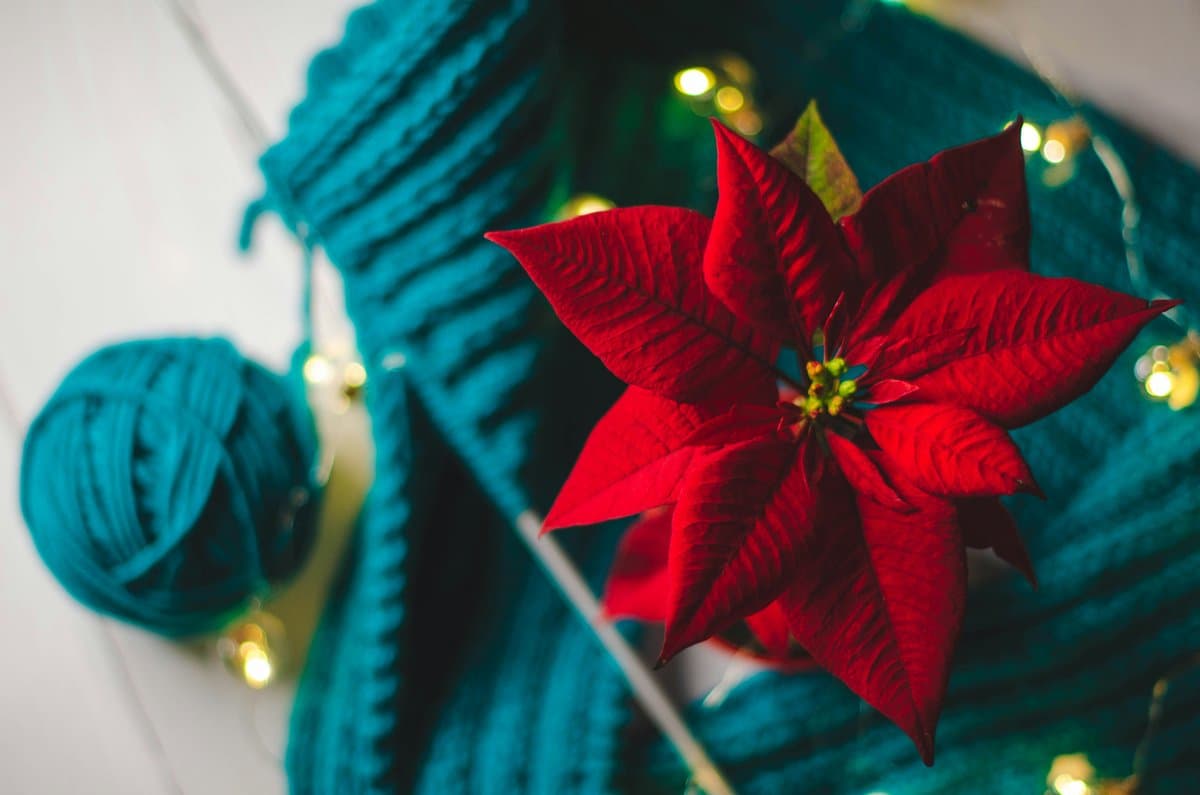
Första ljuset i fönstret
First window light
The first electric candlestick in a window is how a street agrees that the dark season has started, usually a little too early.
Daily Swedish Culture
Höstmörker
Autumn dark
Höstmörker is not just night. It is the feeling that the day never fully arrived, and the reason lamps go on at three.
Information
Sweden Herald
- Stay informed with the latest news and updates from Sweden in English. From daily news and events happening now, to recaps of what happened in Sweden last night, our coverage keeps you updated. Swedish news today.
- © Sweden Herald