
Daily Swedish Culture
Discover Swedish cultural traditions, customs, holidays, and events. Learn about Swedish culture and what makes Sweden unique.
Images: Unsplash.com
Daily Swedish Culture
Höstlov
Autumn break
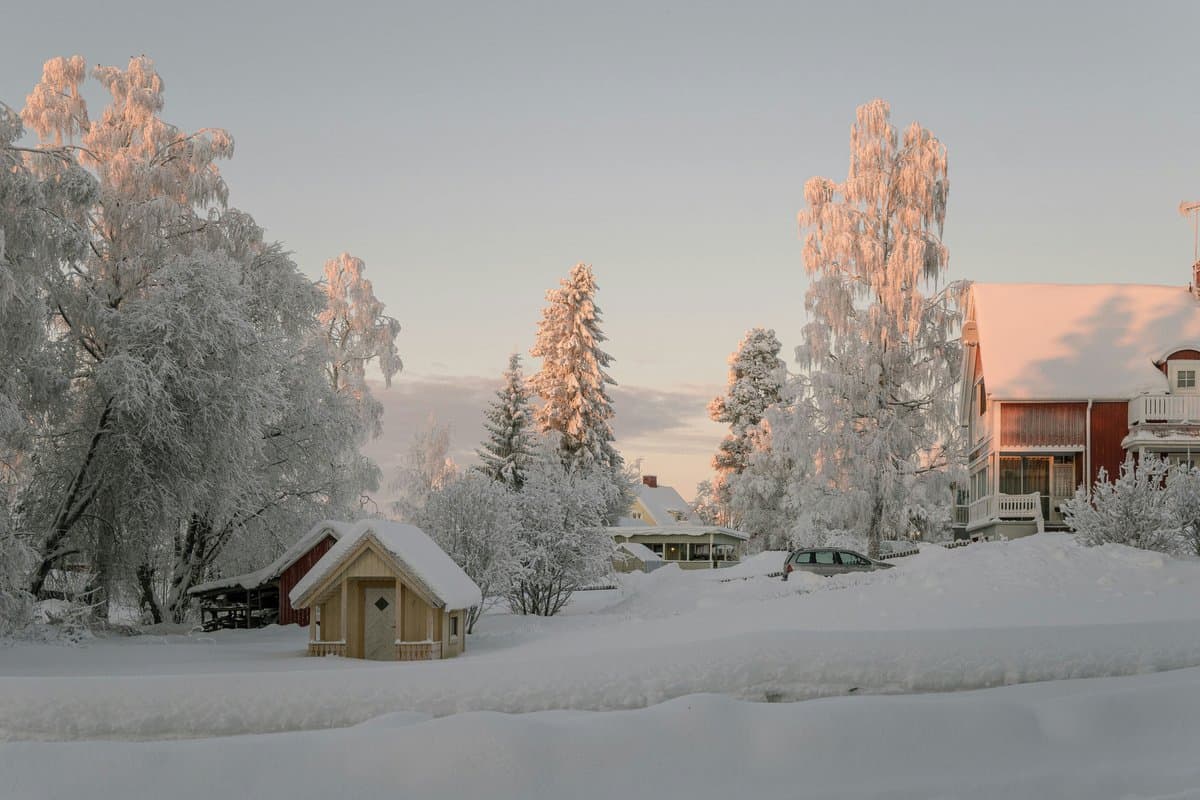
Höstlov in week 44 is a short school break for indoor rest, candlelight, and at least one walk that was nicer in theory.
Daily Swedish Culture
Kanel i trappuppgången
Cinnamon in the stairwell
On Kanelbullens dag the whole building can smell like a bakery, which is a public service nobody voted for and everyone accepts.
Daily Swedish Culture
Allhelgonahelg
All Saints weekend
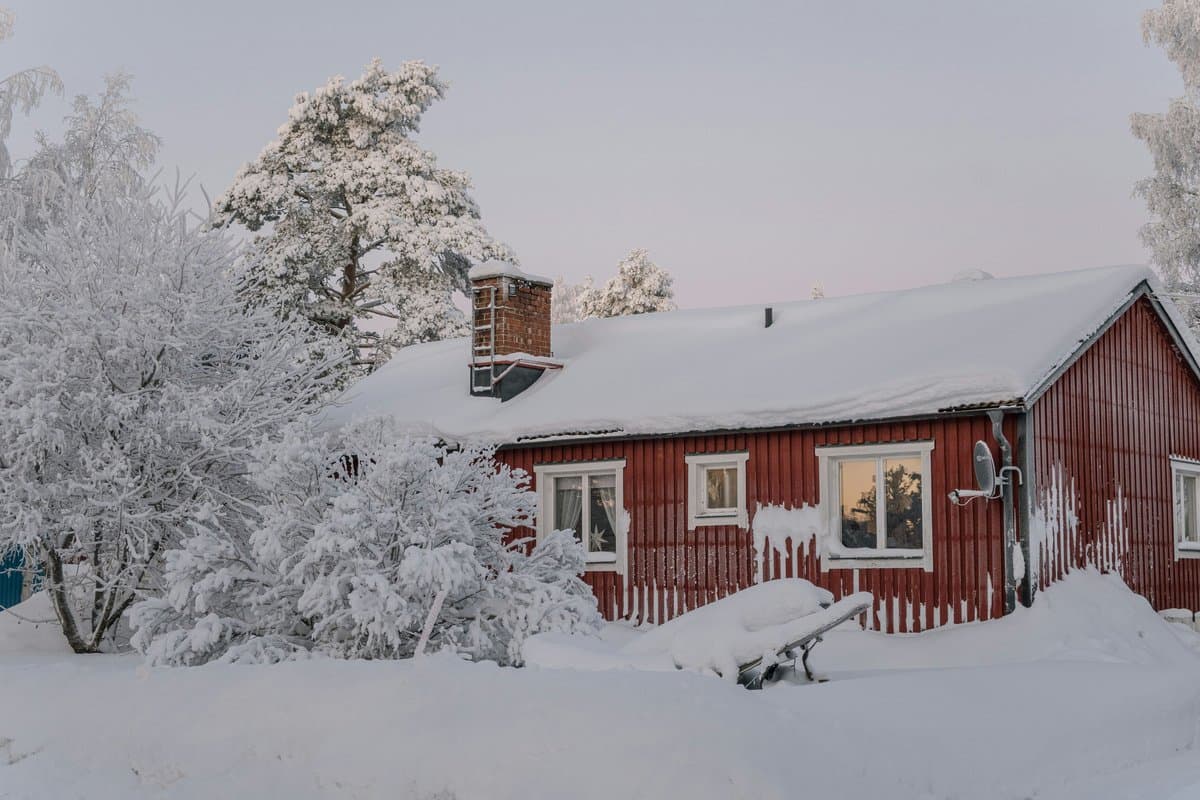
The All Saints weekend is travel, candles, and a quieter kind of family gathering than Christmas, with more coats and fewer songs.
Daily Swedish Culture
Lövhögar
Leaf piles
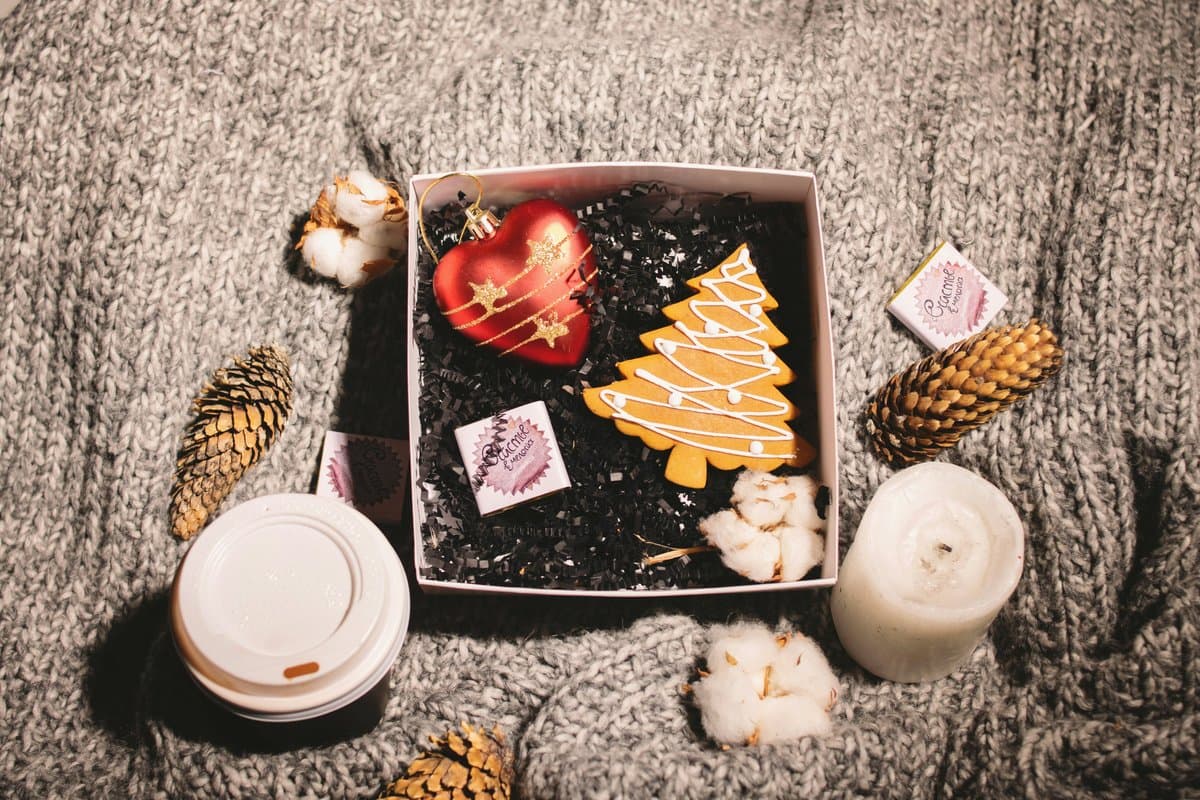
Leaf piles are children’s work and adults’ weekend. The smell is the whole point, even if the bags never quite close.

Daily Swedish Culture
Höstmörker
Autumn dark
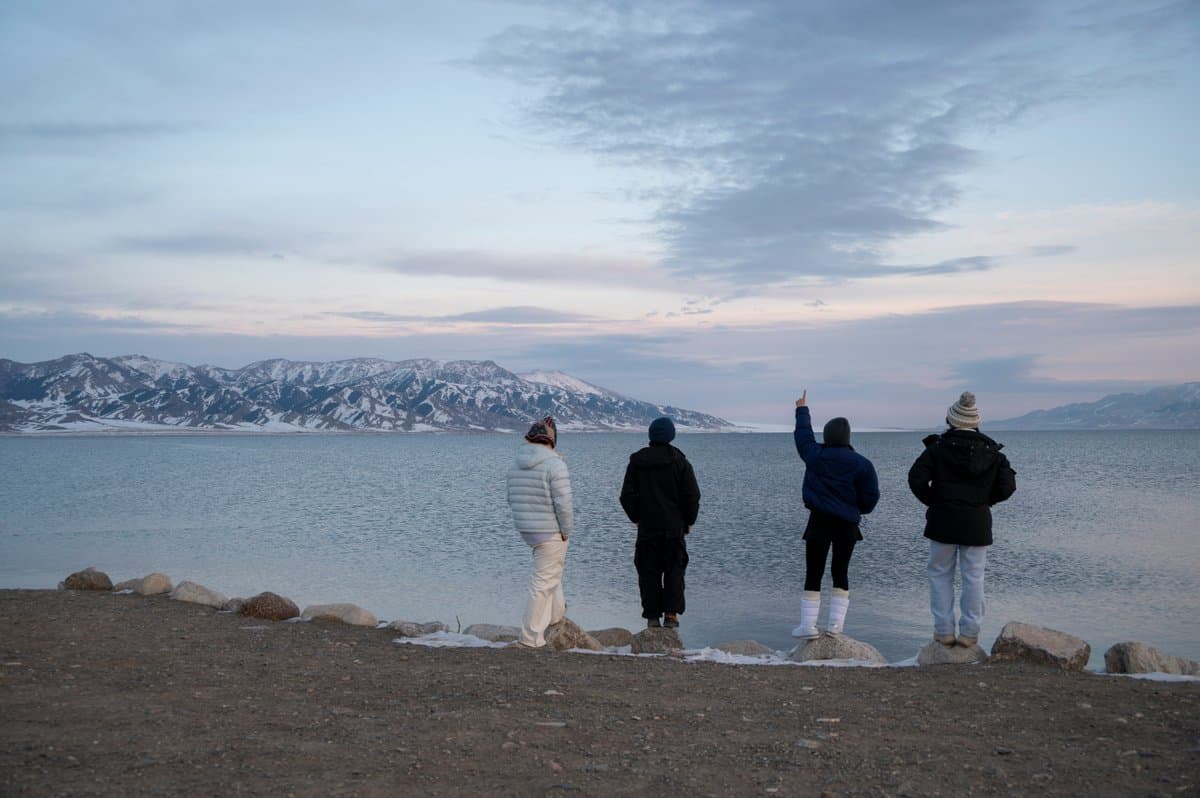
Höstmörker is not just night. It is the feeling that the day never fully arrived, and the reason lamps go on at three.
Daily Swedish Culture
Kanelbullens dag
Cinnamon Bun Day
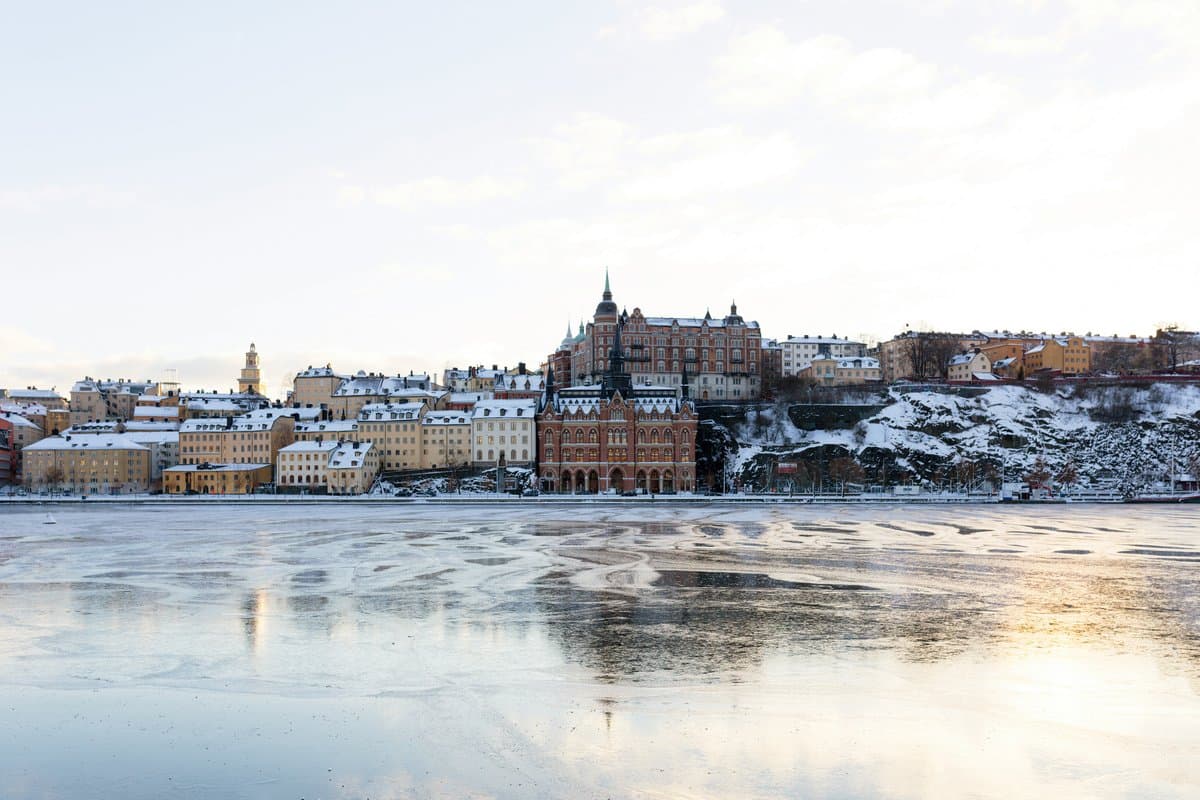
4 October is Kanelbullens dag, when offices smell of cardamom and cinnamon and nobody pretends they are “just having coffee.”

Daily Swedish Culture
Äpplen
Apples
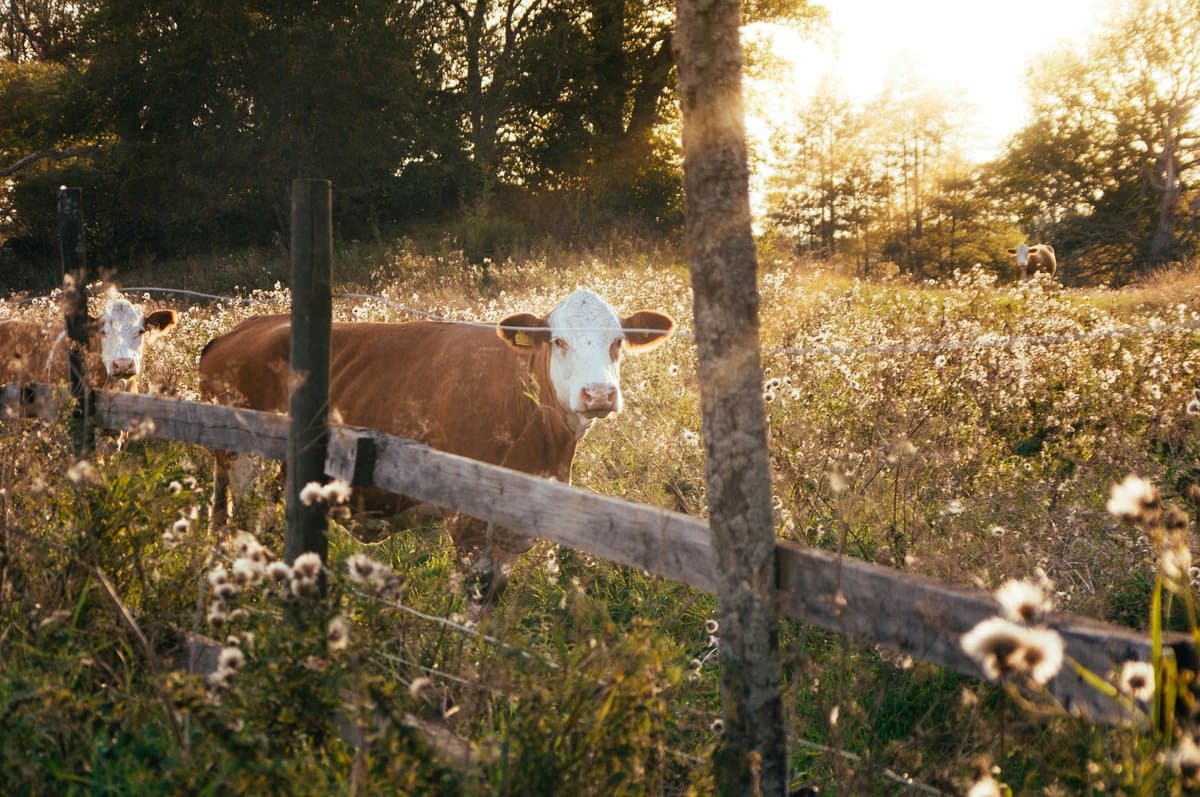
September apples fall faster than anyone can eat them, which is how you end up with two crumbles and a neighbour carrying a bag.
Daily Swedish Culture
Hummerpremiär
Lobster premiere
The west-coast lobster fishery opens in late September. For most people it is a news item. For some it is the whole calendar.
Daily Swedish Culture
Första ljuset i fönstret
First window light
The first electric candlestick in a window is how a street agrees that the dark season has started, usually a little too early.

Daily Swedish Culture
Höstrusk
Autumn slop
Höstrusk is wind, wet leaves, and a sky the colour of a wet newspaper. Swedes dress for it and refuse to call it dramatic.

Daily Swedish Culture
Uteplats
Patio season
The uteplats is where dinner moves as soon as the evening is above ten degrees. Blankets are not a compromise. They are equipment.

Daily Swedish Culture
Älg i tidningen
Moose in the paper
September papers fill with moose-hunt pictures and stew recipes. Even people who never hunt feel the season turn.
Information
Sweden Herald
- Stay informed with the latest news and updates from Sweden in English. From daily news and events happening now, to recaps of what happened in Sweden last night, our coverage keeps you updated. Swedish news today.
- © Sweden Herald