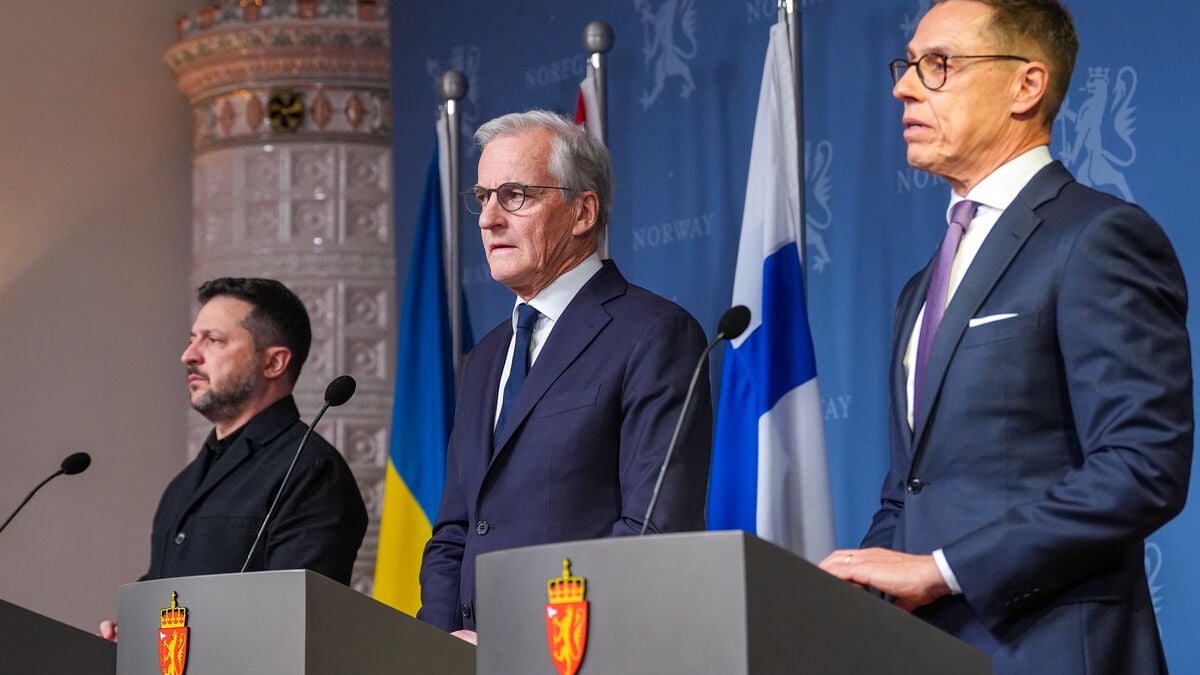
The period leading up to Tuesday’s meeting in the Norwegian capital was marked by increasingly strained relations between Ukrainian President Volodymyr Zelenskyy and his American counterpart, Donald Trump.
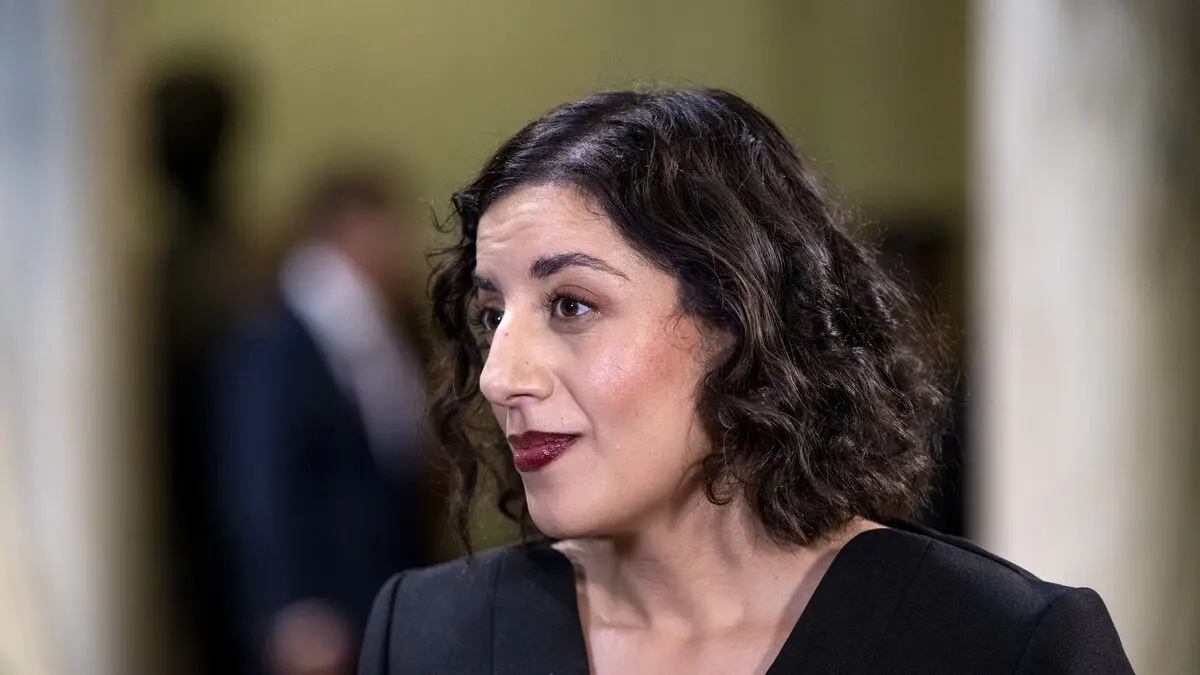
So this (meeting) was a kind of diplomatic attempt at damage control, to some extent, because they somehow want to get the Americans to back down on some of the things they have said in recent days, says Fredrik Wesslau, a senior expert at the think tank European Council on Foreign Relations.
Trump has harshly criticized Zelenskyy, saying he wants to see him replaced and that he “doesn’t want to end the war.” The Ukrainian president, in turn, has said he feels betrayed by the United States and Trump over the US easing of sanctions against Russia.
Attempts at unity
According to Wesslau, it was therefore important for Norwegian Prime Minister Jonas Gahr Støre and Finnish President Alexander Stubb to meet US envoy Steve Witkoff, who was in Oslo ahead of his onward journey to St. Petersburg on Wednesday, as representatives of Europe.
With Witkoff on his way to Russia, this is a way to try to get the Ukraine-US relationship back on a positive track while also talking to Witkoff and discussing the proposals he will bring to St. Petersburg.
At the same time, he emphasizes that it is not possible to remove Donald Trump's domestic political interests from the equation, especially as the US heads to the polls in November.
Trump's speech is primarily about the midterm elections and the fact that the price of diesel there has become a major political issue and a burden. He is trying to shift the blame from himself to Zelenskyy.
Gloomy forecast ahead
Wesslau also notes that Zelenskyy has been unusually forthright and believes there is likely a message aimed at an American audience between the lines as well.
I think he is trying to appeal to the establishment in the US, especially the candidates running in the midterm elections. And you can see that he has partially succeeded because there is quite a lot of support both within the Republican Party and among the population.
How Witkoff's trip to Russia ends remains to be seen. But Fredrik Wesslau has no hopes for peace in the near future.
There is a more fundamental issue in all of this, and that is that Trump wants to formalize the relationship with Russia in order to be able to do business and make money there. That is what is driving his entire peace negotiation.