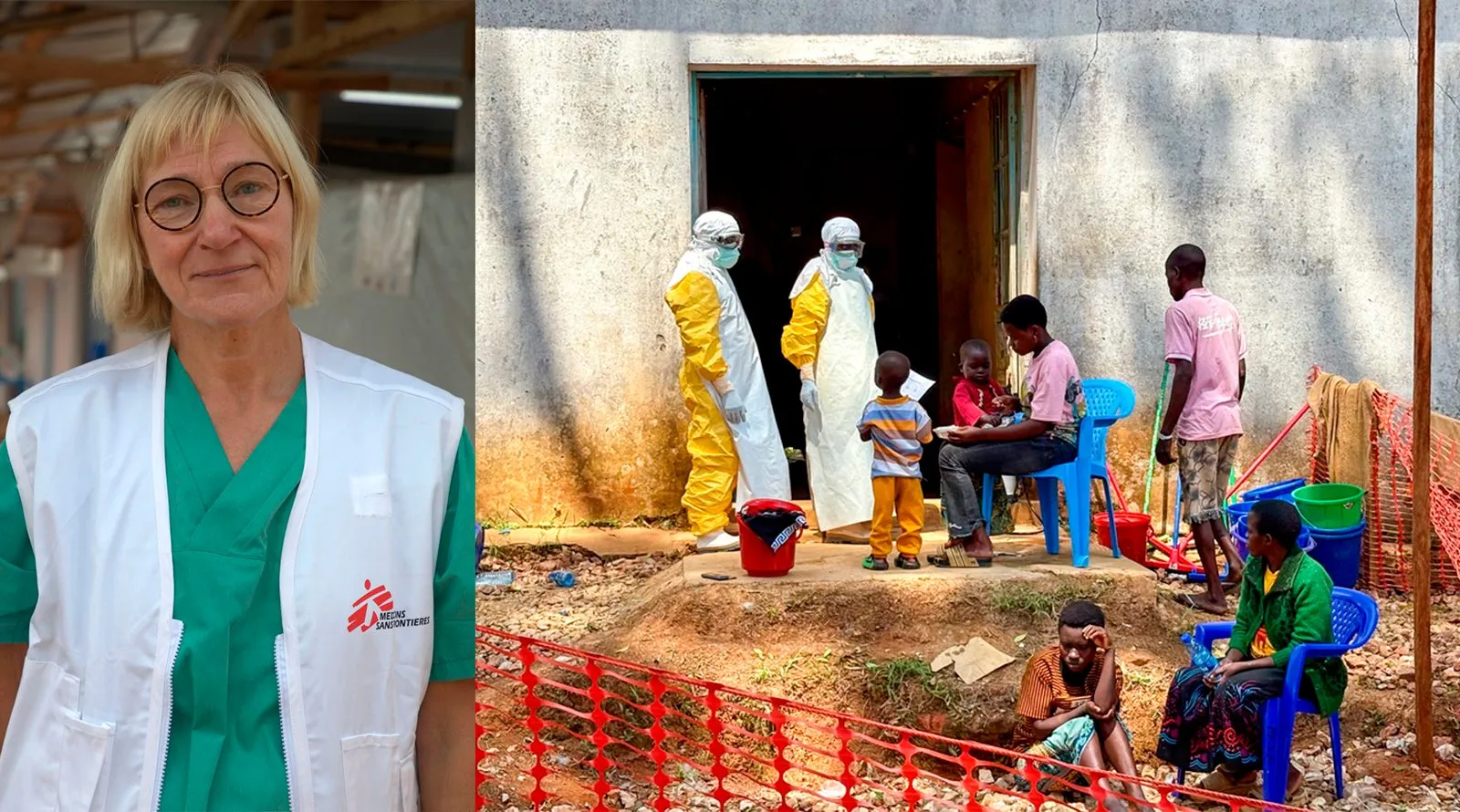
One in four people infected with the virus in the province of North Kivu in the Democratic Republic of Congo is a child. The mortality rate has also been shown to be higher among the youngest patients. At an Ebola treatment centre in the city of Butembo, 24 of 30 children hospitalised between June and September this year died.
Doctors Without Borders is now sounding the alarm, saying children must be better protected and included in research on the virus.
Young children do not have fully developed immune systems. They can quickly go from feeling quite well to becoming very dehydrated, for example from diarrhoea, which is common with Ebola. It is more difficult to relieve serious symptoms, says Anneli Eriksson, a nurse with Doctors Without Borders.
She is working at a transfer centre in Butembo, where people with suspected symptoms come. This is the fifth time she has worked with Ebola patients. The risks are high: there is no approved vaccine or treatment for the new virus.
It is different from the previous Ebola variant.
"Scary"
Children who come to the centre with suspected Ebola are separated from their families to prevent the spread of infection. Many are too young to understand what is happening.
It is of course scary to suddenly find yourself in a situation where you are alone in a bed and those who take care of you come in wearing masks, face shields and large yellow overalls, says Anneli Eriksson.
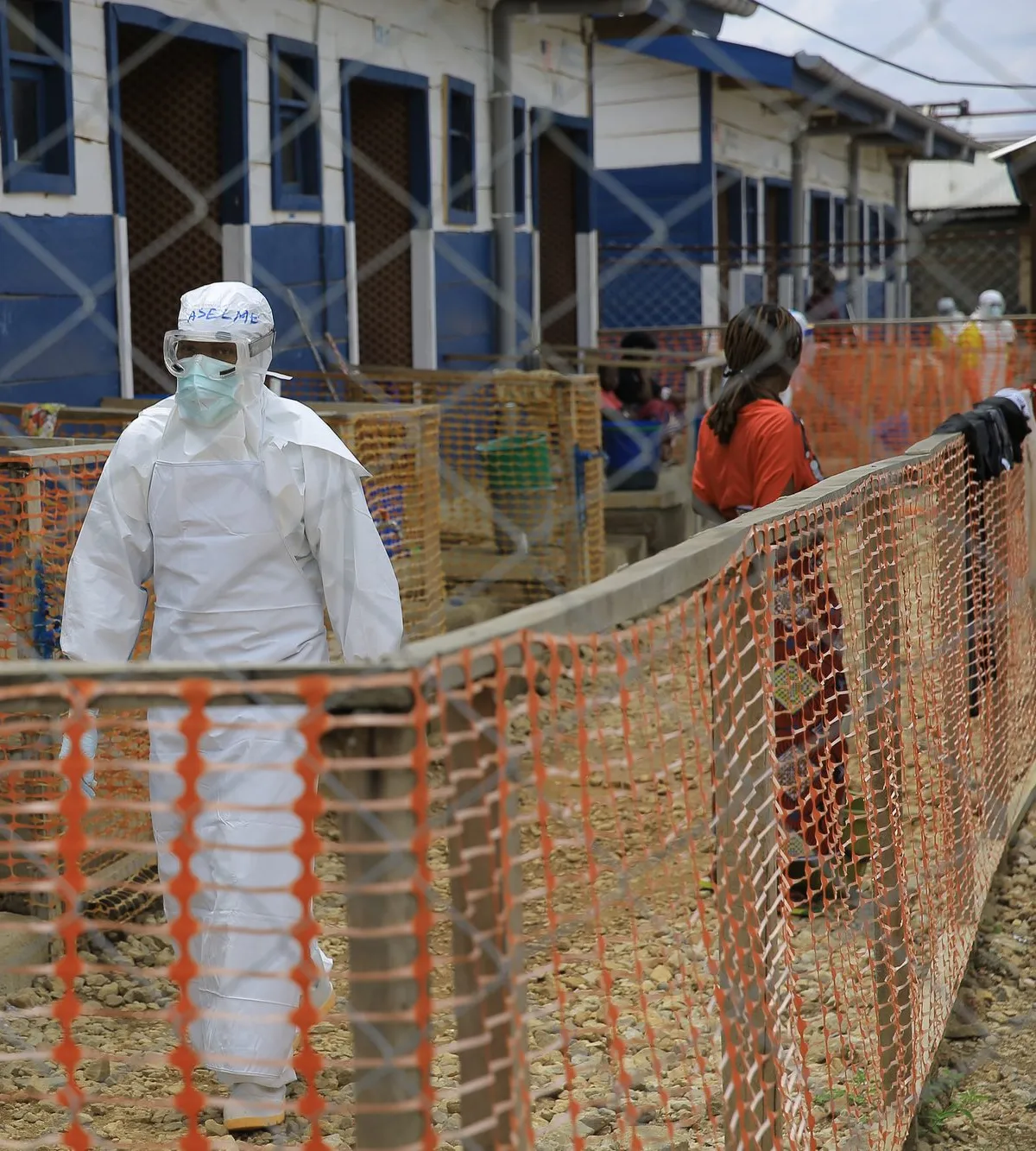
At the same time, she sees big differences compared with the Ebola outbreak in Liberia twelve years ago. Now there are single rooms with Plexiglas or plastic windows, as well as a "low-risk area".
Having a mother or father, who admittedly cannot lie in your bed but can be at least one metre away, makes a big difference. These are simple but ingenious solutions.
The children also have dedicated caregivers who wear full protective equipment.
Helping health centres
It is not yet known why children are more affected by the virus, but many of those infected have previously been treated at other health centres. Doctors Without Borders is trying to help the health care system, despite scarce resources, limit the spread of infection through proper procedures and hygiene.
Anneli Eriksson herself has "extremely great" respect for the virus.
If you are not a little afraid all the time, you may become a danger to yourself.
In a difficult situation, the bright moments stand out for her. Like when a little boy got better and was able to hug his mother and father.
Those are the moments that make it very meaningful. It sounds miserable - there is a high mortality rate, but many of the people we take care of survive, especially if they receive treatment in time.




What do you think?