Often described as the alternative peace prize, the Right Livelihood Award is presented annually. This year, it recognises women and women-led organisations that “confront the world’s most deeply rooted power structures,” according to the foundation.
"These laureates' vision of social justice and peace with nature stands in fundamental opposition to the direction that tech oligarchs and authoritarian leaders are trying to steer our world," said Right Livelihood CEO Ole von Uexküll at a press conference when the awards were presented.
“Averting global crises”
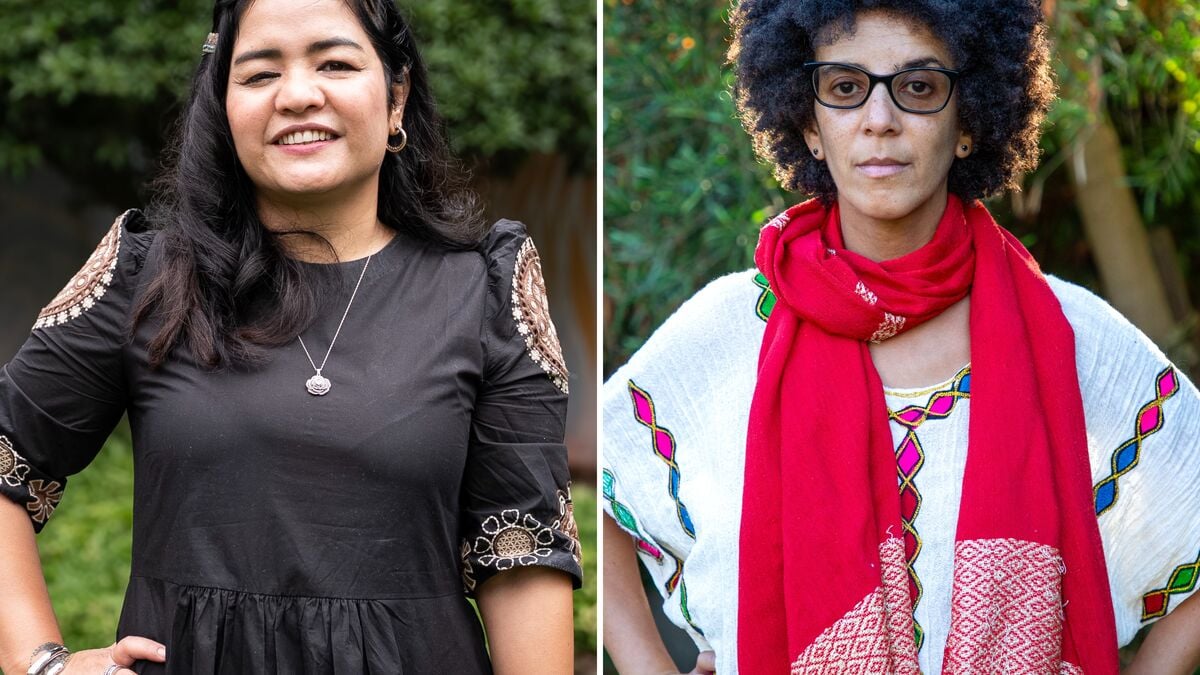
AI researcher Timnit Gebru receives the award for paving the way for “digital technology rooted in justice.” She has long criticised AI development and worked to create AI that protects people.
We believe that this type of collective power is the key to averting global crises that benefit a few extremely wealthy people, but that everyone else risks losing out on,” says von Uexküll.
Jalila Haider from Pakistan is being praised for breaking barriers as the first female lawyer from the minority Hazara group.
Also commended are the organisation Rural Women's Assembly, which brings together female farmers in southern Africa, and the human rights organisation Georgian Young Lawyers' Association (Gyla).
Gyla's chairwoman Tamar Oniani describes the announcement as an important recognition for the organisation, which, among other things, provides legal assistance to those who would otherwise have difficulty obtaining it, such as women, children and minorities.
This means that our courage to legally resist the regime's crackdown is recognised internationally, she says.
Can open offices
The award winners will each receive one million kronor. A much-needed boost for the organisation, which has been forced to close offices around the country this year, as Georgia has become increasingly repressive and targeted organisations that receive international support.
The first thing we will do is to reopen legal consultations, especially in those parts of Georgia where groups are more vulnerable.
Getting international attention is also important.
I think it is helpful for human rights organisations to have their struggle recognised, while sending a signal of hope to others who live under similar or even worse oppression, she says.
The prize was established in 1980 by the Swedish-German former EU parliamentarian Jakob von Uexküll, and is awarded to people and organisations that the jury believes are courageous, have visions and set a good example in solving the causes of the world's problems.
Four prizes are awarded each year without any specific categories. The selected winners are awarded one million kronor each.
Previous laureates include Astrid Lindgren and Greta Thunberg.