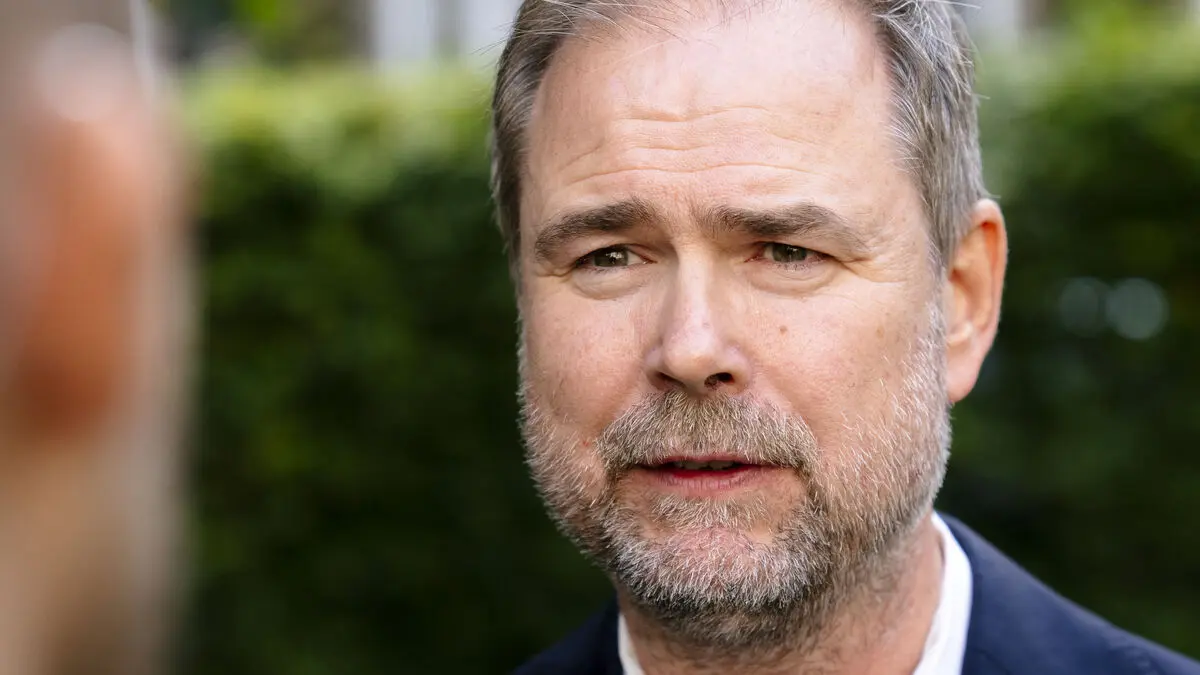
The figure of 73 percent is the same as in the previous report in 2024. But more species and populations have been studied, so it is not possible to talk about stabilization, explains Olle Forshed, a biodiversity expert at WWF.
There is nothing in the curve to suggest an upward trend. On average, almost three-quarters of the populations have disappeared.
Among the populations surveyed between 1970 and 2022, about half are declining, while the situation for the rest is unchanged or even improving. WWF wants to stress that it is possible to reverse the trend and points to areas where targeted efforts have yielded results.
Recovered
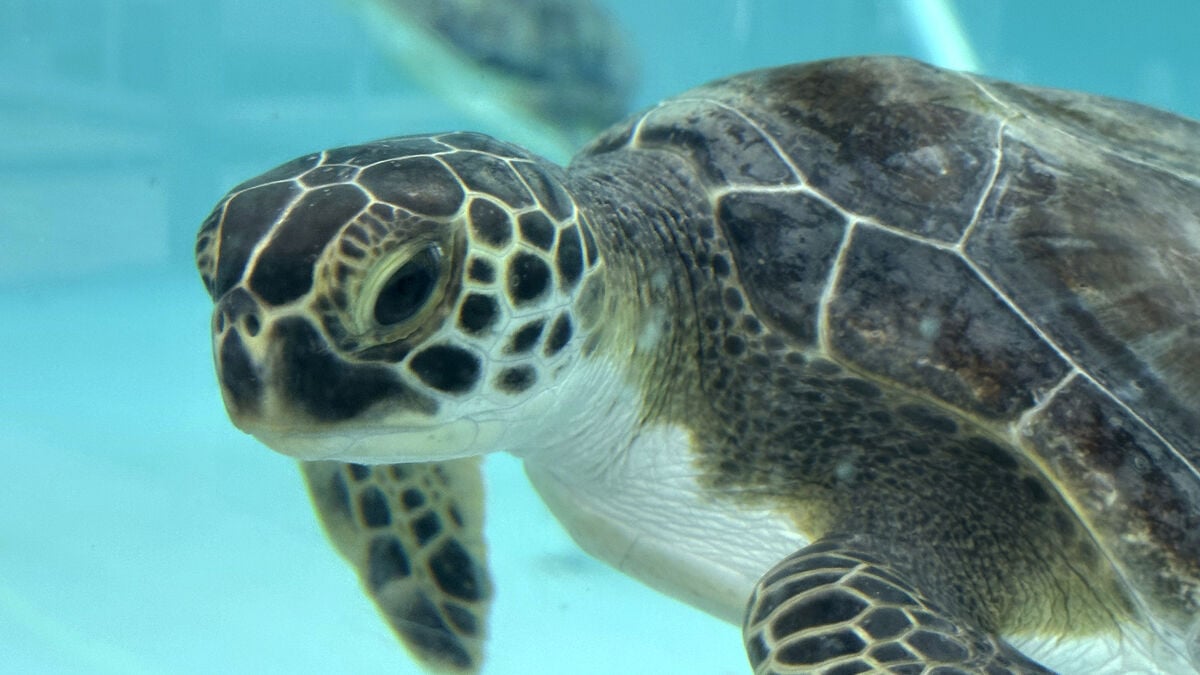
In 2010, there were only around 3,200 wild tigers. By 2025, the population had grown to around 5,700. Last year, the green sea turtle became the first sea turtle to be moved from the “critically endangered” category to “viable”.
In Sweden, the whooper swan has recovered after being almost completely extinct.
We succeeded there by regulating hunting. But also by recreating the habitat with wetlands and places where they can find food. All of that has led to their increase.
Positive tipping points
Just as it has been possible to reverse the decline of individual species, WWF is convinced that change is possible on a larger scale. The same dynamics that apply to negative tipping points also apply to positive ones.
A positive tipping point can occur when a change reaches a level where it begins to drive itself, says Maria Schultz, WWF's deputy secretary-general, highlighting the energy system as the best example.
A few decades ago, solar energy was very expensive. But as more people started using it, costs fell. It has become such a self-reinforcing effect that it is now the cheapest form of new electricity generation in many countries.
In its latest report, WWF highlights hope as a force for positive change.
Hope does not have to be naive optimism. What builds hope is having clear goals and visions, and a clear path to achieve them. You have agency, the power to act and believe that what you do matters, says Maria Schultz.
The 2026 Living Planet Index is based on data from 35,803 populations of 5,790 vertebrate species, almost 300 more species than in the previous report.
The population size of wild vertebrates has decreased by an average of 73 percent in 52 years.
The strongest decline is in freshwater ecosystems, where vertebrate populations have decreased by 85 percent, followed by terrestrial ecosystems (-62 percent) and marine ecosystems (-59 percent).
The largest declines in the studied populations are found in Latin America and the Caribbean (-95 percent), Africa (-80 percent) and Asia-Pacific (-49 percent).
Source: WWF