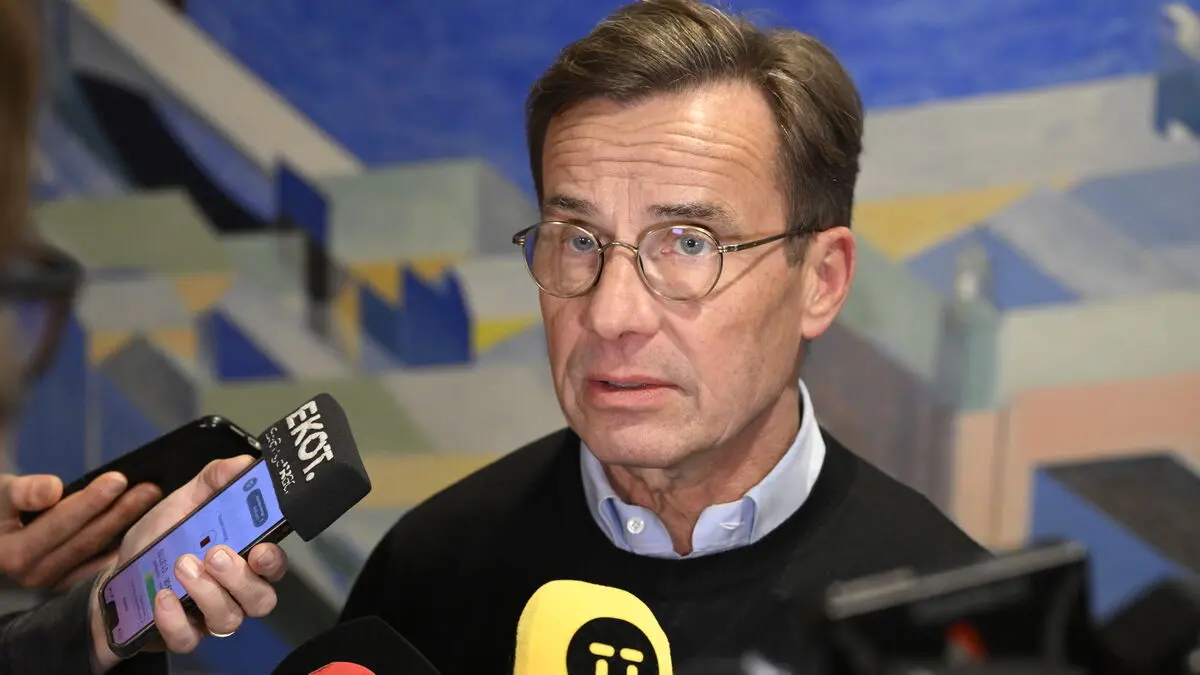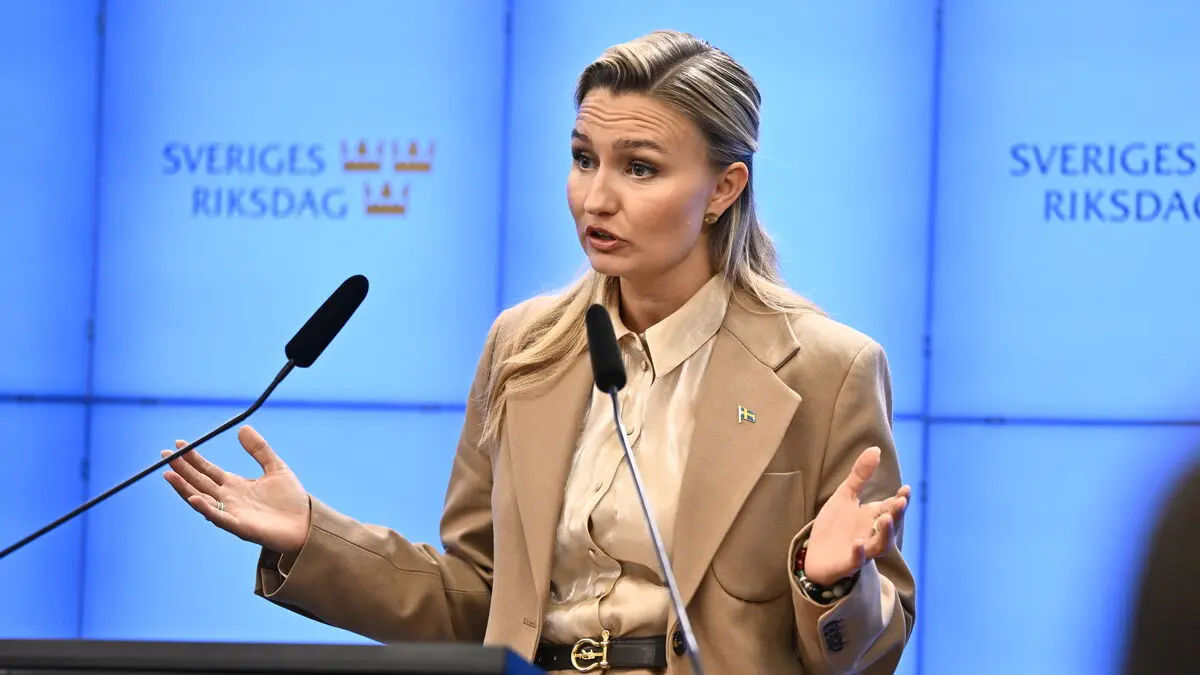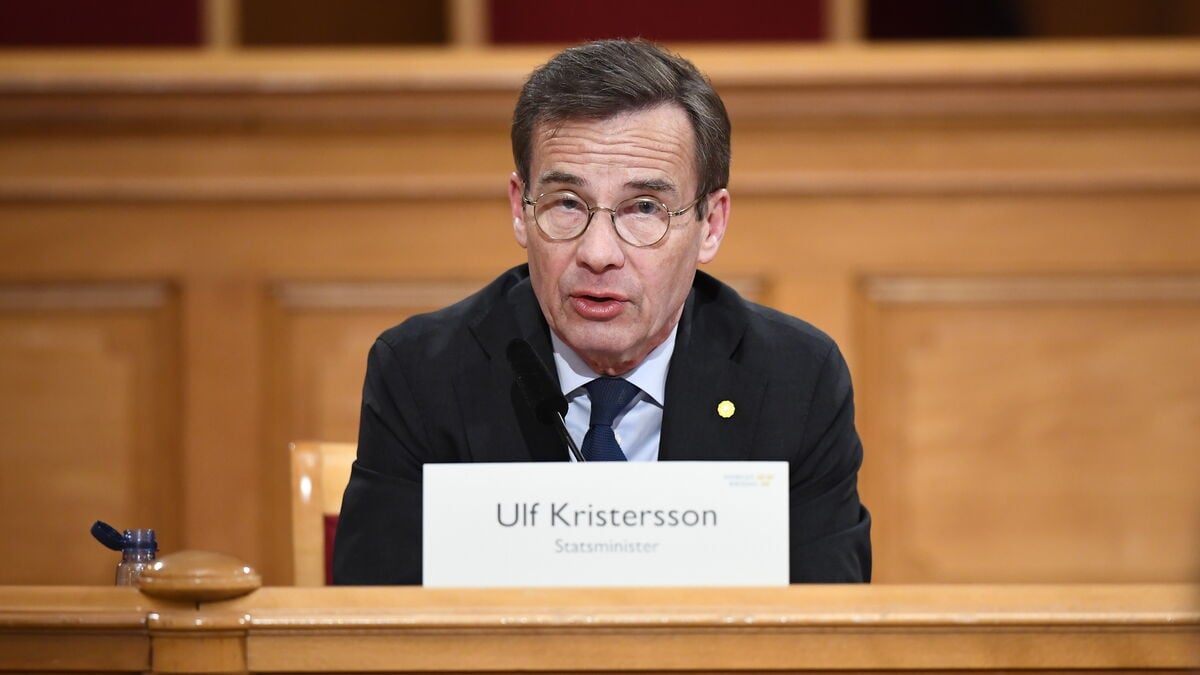
- Is it the case that it is the one who has the power to decide who should be questioned?" she wonders.
Mats Green, vice chairman (M) of KU, regrets that Jennie Nilsson, as he puts it, wants to politicize KU's review.
- The prime minister is called when it is relevant, he says.
Said no
Normally, opposition and government parties compromise on which ministers, state secretaries and others should be questioned and on which matters. So far they have always reached a final agreement, but not this time.
When asked whether it is good that the government parties and the supporting party decide for themselves who in the government should be questioned and on what, Mats Green answers:
- There is always a discussion about when it is relevant.
The parties in the KU agree that the prime minister should be called to answer questions on some matters. But the combined opposition also wanted Kristersson to answer questions about the government's handling of aid money to the Somali Prime Minister's Office and about reported security flaws at Lantmäteriet.
But the government parties and the SD said no.
“They chose to run us over,” says Jennie Nilsson, who worries about KU's future as an auditor of the government.
Scrutinizing the government
One of the most important tasks of the Constitutional Committee (KU) is to review whether the government and ministers comply with the constitution and other regulations.
Each parliamentary year ends with an audit report that can include criticism, not least based on complaints submitted against the government or individual ministers.