Since Israel escalated its war against Iran this week with an attack on a gas field, vital energy infrastructure across the region has come under fire. Iran has responded with attacks on oil and gas facilities in several neighboring countries allied with the United States.
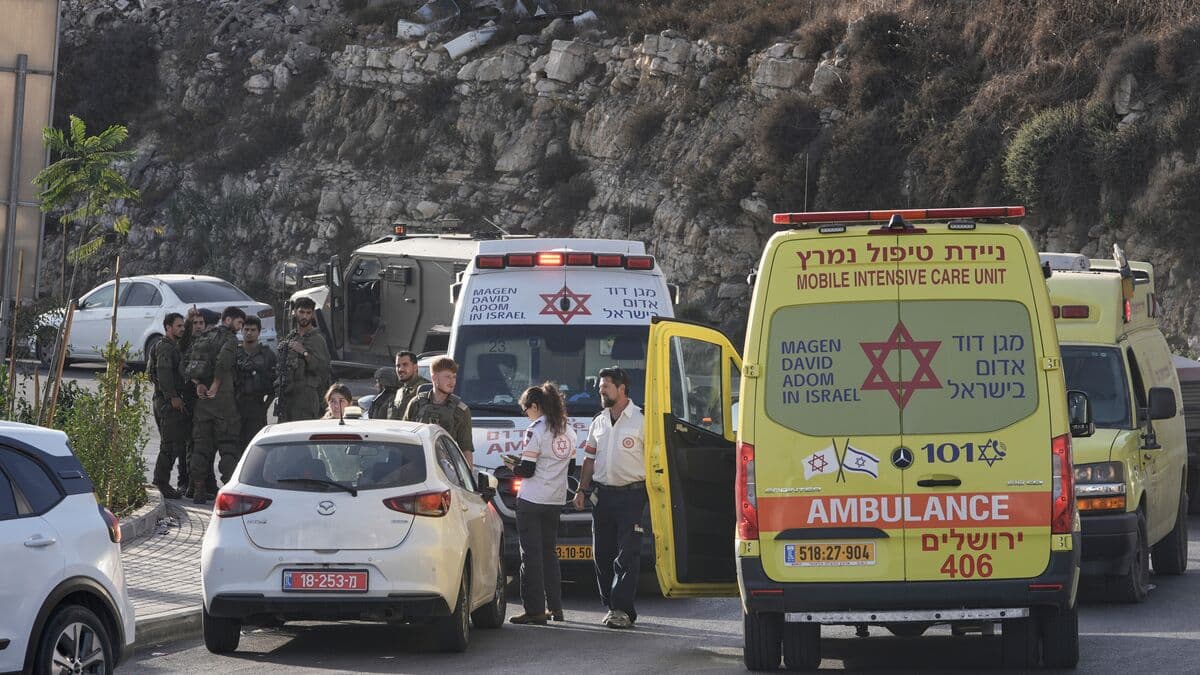
On Saturday, an Iranian missile also got past Israel's air defenses and hit the city of Dimona - where the country has a large nuclear facility which is also believed to house nuclear weapons.
The rocket hit about five kilometers from the facility.
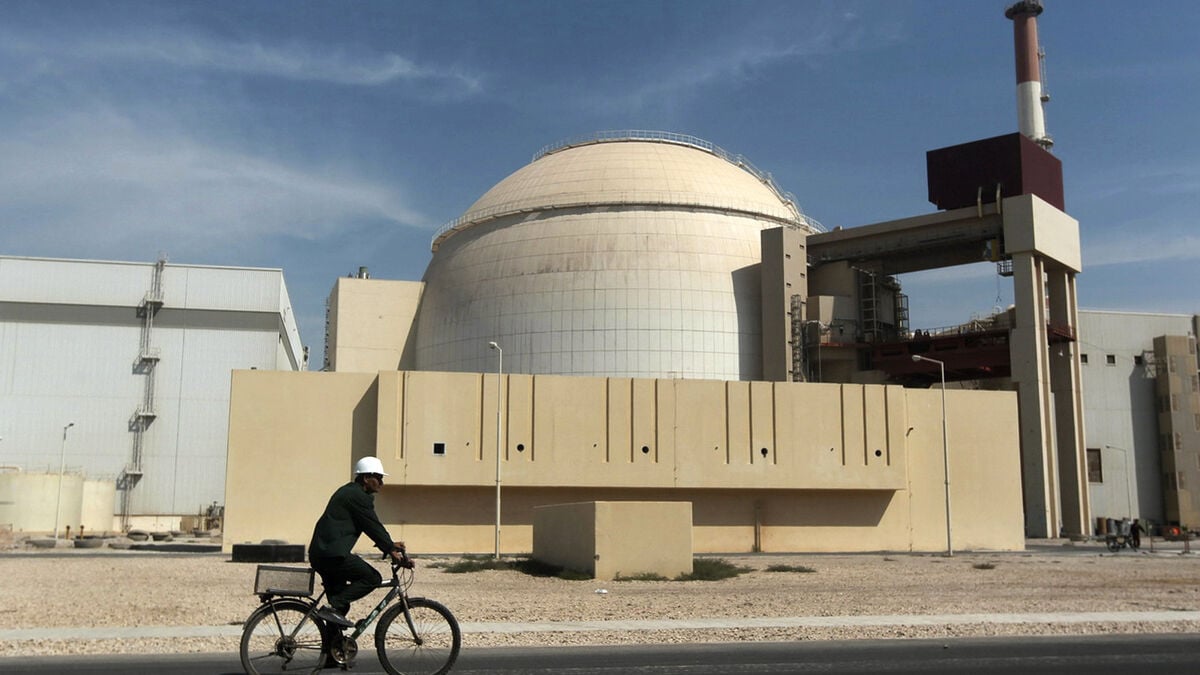
Iran said the attack was in response to an attack on its nuclear facility in Natanz. The US and Israel have also previously carried out a series of attacks on Iran's nuclear energy program, both during the current war and the 12-day war in June.
“Escalating threats”
The new attacks on nuclear energy facilities pose an escalating threat, warns WHO Director-General Tedros Adhanom Ghebreyesus.
"I urge all parties to exercise maximum military restraint and avoid any actions that could trigger nuclear incidents," he writes on X.
However, the most dangerous scenario - a direct attack on a nuclear power plant - is highly unlikely, according to Mark Hibbs, senior advisor at the Carnegie Endowment for International Peace.
The parties are aware that in that case they would have essentially all of world opinion against them, Hibbs says.
A direct attack on an active nuclear power plant with the intention of knocking it out or destroying it has never happened before," he says.
Awareness of the risks
However, there are also significant risks from attacks not intended to damage nuclear power plants but that target surrounding infrastructure. For example, if a reactor's power supply is knocked out, it could, in the worst case, trigger a serious accident at the power plant.
During the night leading up to Sunday, US President Donald Trump threatened to "destroy" Iranian energy facilities if Tehran does not open the Strait of Hormuz to oil and gas transport within two days.
However, Hibbs believes that Trump, in the event of such an escalation, would also exercise caution around nuclear power plants.
People at high levels in his administration are well aware of these risks and would make them very clear to him, in a way he can understand, Hibbs says.