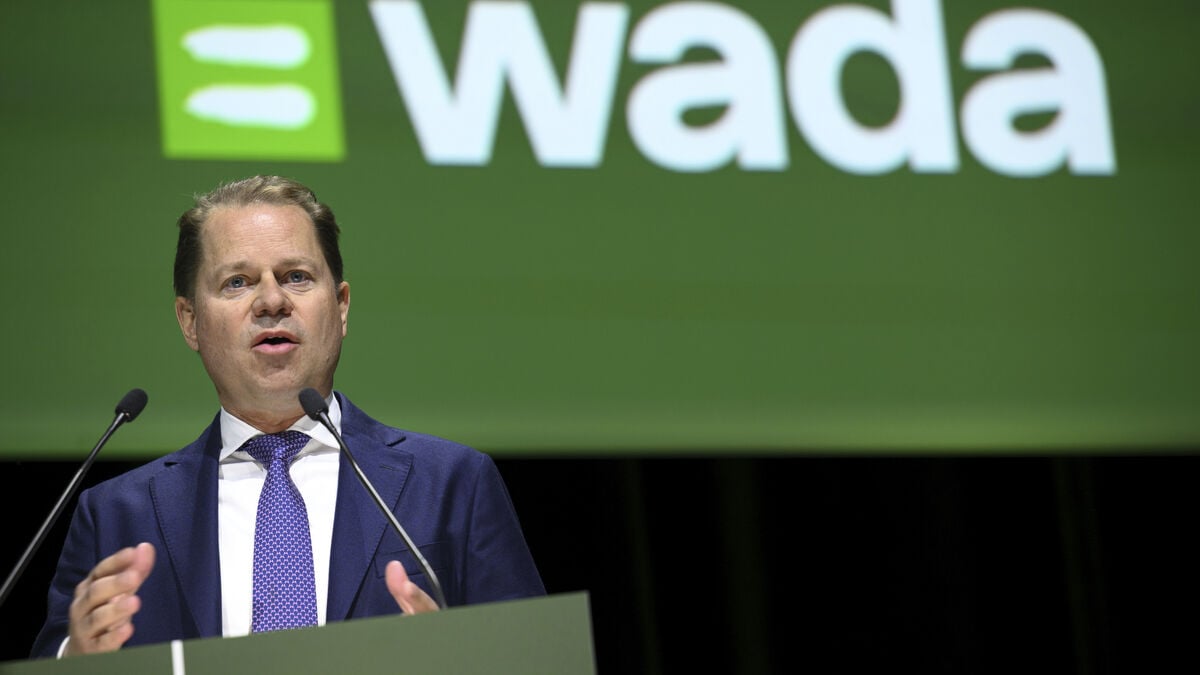
We are not naive, says Niggli in an interview with the AFP news agency.
We will be vigilant because other athletes will want reassuring messages.
It was in early July that the International Olympic Committee (IOC) opened the door for Russia to compete in the Olympics again, despite the war in Ukraine still ongoing.
Olivier Niggli points out that there are no longer any approved testing laboratories in Russia, which means that all doping tests from Russian athletes need to be analysed abroad.
"They can no longer continue like they did in Sochi," says Niggli, referring to the major doping scandal during the 2014 Winter Olympics.
Ahead of the Olympics, the IOC has asked for the testing system for Russian athletes to be strengthened, and those who may be eligible for the Olympics will likely be tested several times before the games in Los Angeles.
It does not seem likely at this time that the Russian anti-doping agency Rusada will be re-approved by Wada.
"To be able to check whether they comply with our rules, we need to conduct an on-site inspection in Moscow. Due to the political situation and the war, it has been impossible to do so," says Olivier Niggli.