"We currently do not know what is causing the large number of ticks here. The sheep grazing the land have suffered, and visitors, reserve managers and contractors have all experienced the inconvenience of so many ticks," says Anna Lindberg, nature communicator at the county administrative board, in a press release.
Adjacent lands do not have the same problem.
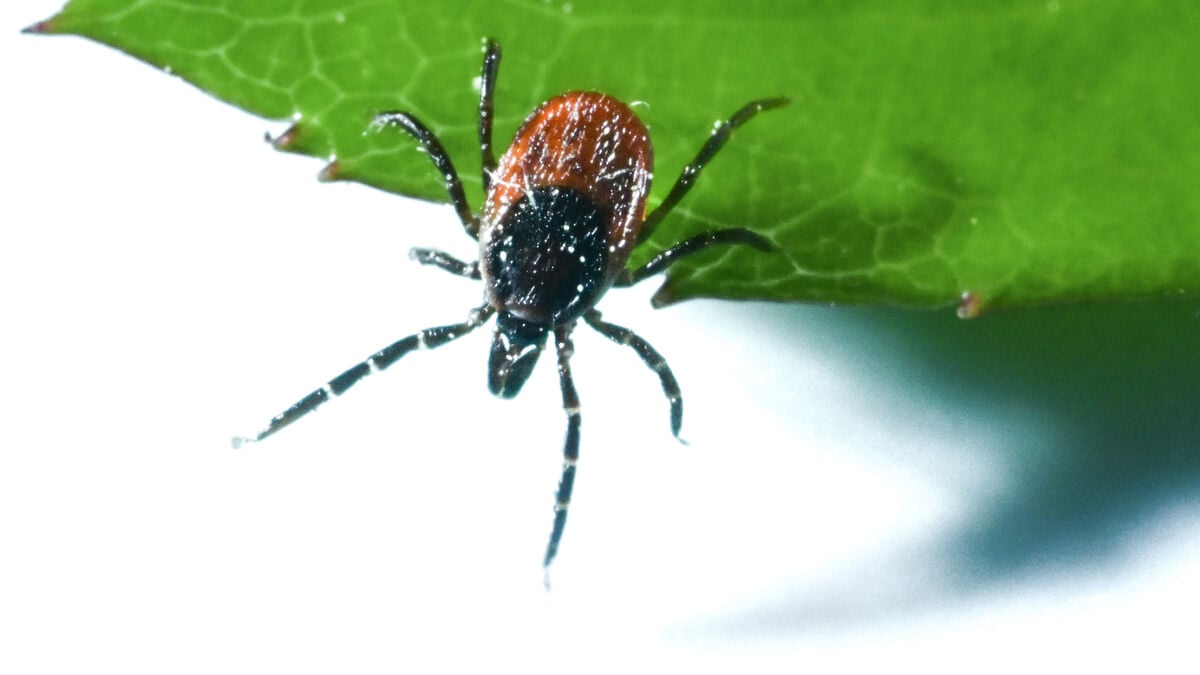
The authority has sent tick samples to the State Veterinary Institute for analysis, which has confirmed they are a particular species of tick, the round-nosed tick.
The sheep will not graze there this year, and the affected lands will be burned before the next season.