For Olivia, the medical intervention, which was performed without her consent, led to torn pelvic floor muscles. Her daughter was born with a broken collarbone, and this has also caused psychological suffering.
The court ruled that explicit consent was required, partly because it was a physical procedure associated with risks. Olivia had also opposed forced measures in a birth certificate.
"I'm relieved. Now it's proven that they were wrong. It's something I've been fighting for for a long time - that someone will take it seriously," says Olivia.
“Step towards safer care”
The region has argued that it was not possible to obtain consent, but the court disagrees.
The district court determined that the measure constituted a violation of her bodily integrity in a vulnerable situation. The procedure was short-term, but there was no medical indication and the measure was risky.
"This is a big step towards safer maternity care for all women, and a personal victory for me. It is a vindication and closure," says Olivia.
Important message
When Olivia sued the region, she sought 75,000 kronor in damages. The region agreed to pay damages but did not admit that her rights had been violated and did not want the issue to be heard in court. This led to the case reaching the Supreme Court, which decided that such a hearing had to be held.
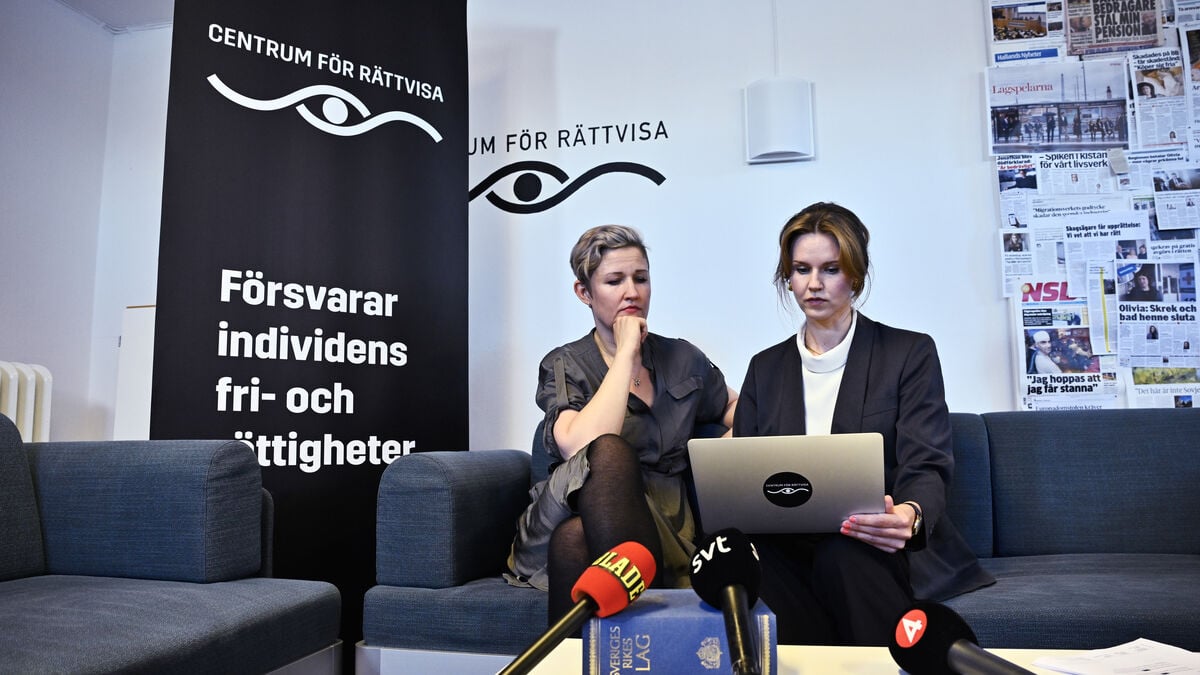
"We are very pleased with this verdict. It sends an important message," says Helena Myrin, lawyer at the Center for Justice and attorney for Olivia.
Recognition is most important
Previously, courts had to end the process if damages were awarded. But the Supreme Court ruling in Olivia's case has changed that.
"It is no longer possible to buy freedom from responsibility," says Discrimination Ombudsman Lars Arrhenius.
For most people subjected to discrimination or violations of their freedoms and rights, it is not the money that is most important, but receiving recognition, he says.
"I think it's easier for people to simply move on in life when they've received such recognition."
Fredrik Bergman Evans, director of the Center for Justice, which pursued Olivia's case, believes the Supreme Court ruling leads to greater legal certainty and better decision-making.
Corrected: In an earlier version of the text, Helena Myrin was given the wrong title.