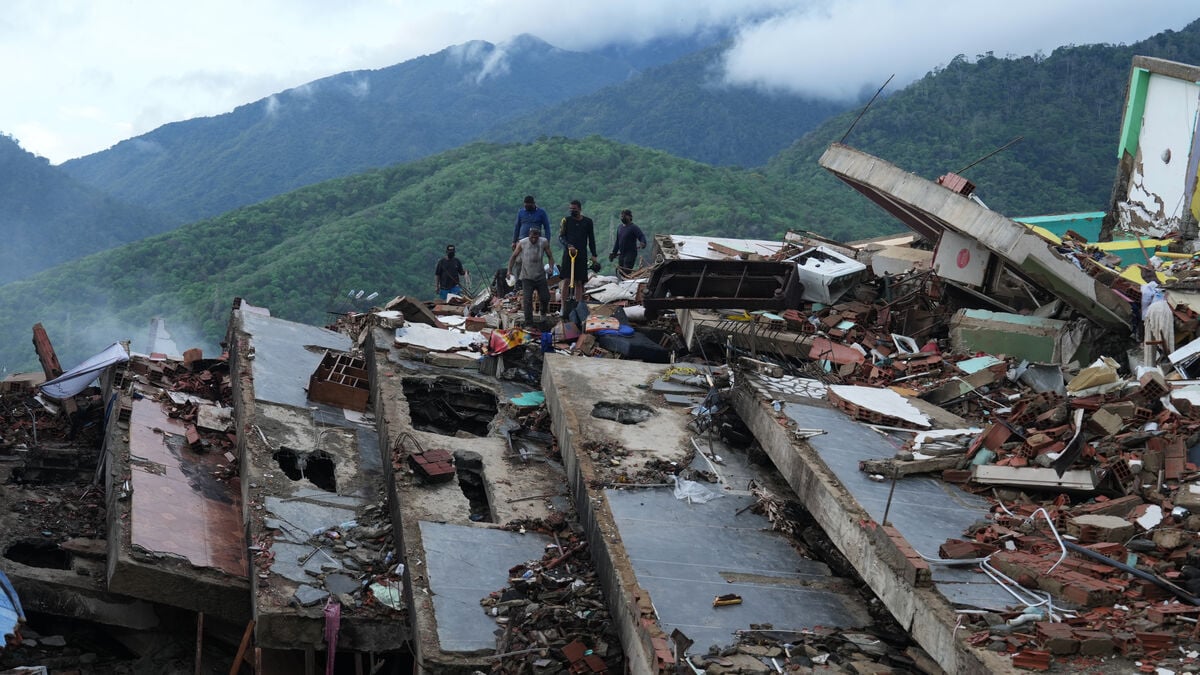
Over 5,000 people have been confirmed dead, many more injured, and over 20,000 have lost their homes in the devastating earthquakes in Venezuela. Thousands of people are still missing.
The state of La Guaira was the hardest hit. The port city of the same name, whose skyline was once characterized by high-rise buildings, now consists largely of huge piles of rubble.
The handling of an estimated 1.28 million tons of waste is complicated, environmental experts point out, Deutsche Welle reports.
Dumping at sea
There have been reports of debris being dumped along the coast, sometimes within reach of the ocean waves. But such waste disposal could pose risks to the fragile marine ecosystems in the area, warns biologist and environmental specialist Cristina Fiol, a professor at the Universidad de Margarita, in an interview with the news site.
Using the ocean as a garbage dump is a way to hide a disaster, which only postpones and magnifies its consequences, she says.
The dumping can affect both animals and plants in the sea, and also lead to public health problems among residents who eat contaminated fish and shellfish, she says.
A new operation to monitor the handling of debris began on Tuesday on the coast of La Guaira, the television channel Telesur reports. According to authorities, the initiative is intended to support reconstruction while reducing environmental risks associated with the handling of debris.
Surveillance is carried out using motorcycles, patrol vehicles and drones that will continuously monitor the coast and ensure that the debris is handled correctly.
Volunteer efforts
The two quakes on June 24 came in quick succession, within a minute of each other, and caused widespread devastation. Over 23,500 people who lost their homes are still living in makeshift camps in stadiums and squares.
In the midst of tragedy, volunteer efforts are crucial. One example is designer Efrain Mogollon, who has gathered a group of seamstresses. Normally, they sew colorful women's clothes with voluminous ruffles and playful draperies. After the major earthquakes, they instead make body bags for the victims and tarpaulins for people who have been left homeless, reports AFP.
We needed to find out what we could do based on what we know we can do, says Efrain Mogollon.
And in this case, it was sewing.