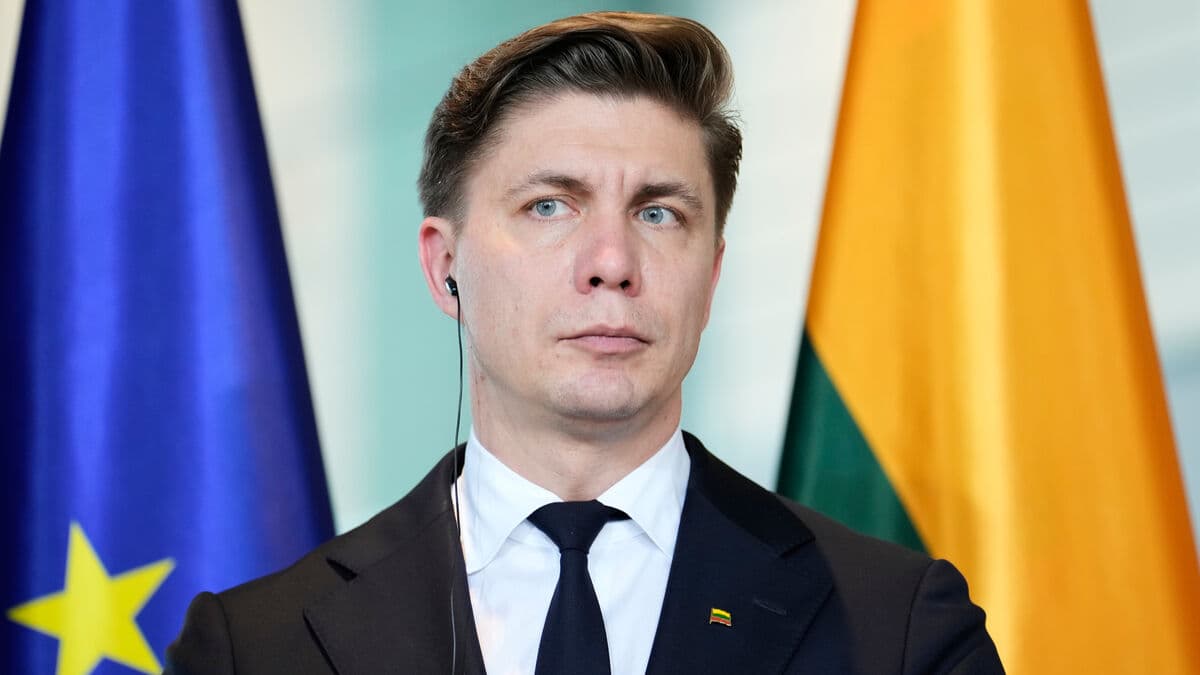
Svenneling says the United States is joining countries such as Russia and Georgia in deciding not to invite the Organization for Security and Cooperation in Europe (OSCE) to observe the 2026 congressional elections.
It stands out internationally, and there is also concern within the OSCE that this could set a precedent, with other, smaller countries following the US example, he says.
As far as he knows, the organization has not received any explanation for the refusal.
Held in November
Sweden regularly sends both long-term and short-term observers to elections abroad. The Swedish delegation for the midterm elections on November 3 was to consist of eight members of parliament, who would spend a short time in the United States before and after the elections. They would then help write a report on any problems identified and make suggestions for improving the electoral system.
This is part of Trump's more isolationist line, in which the US presence in various international forums is being reduced in different ways, those forums are being given less importance and funding is being withdrawn, says Håkan Svenneling.
OSCE Parliamentary Assembly President Pere Joan Pons emphasizes that the American decision is not in line with the 1990 Copenhagen Document, which recognizes that the presence of international observers can strengthen the electoral process.
"After more than two decades of the United States welcoming OSCE observers to its federal elections, this decision represents a significant departure from established democratic practice," the OSCE wrote in a statement.
Budget surplus
Svenneling does not believe the decision will have any immediate effect because the American elections are said to be so well-publicized, but he fears it could set a precedent.
The United States is also a country where voting procedures can vary widely from state to state.
If you question the election, there are fewer international observers who can say that everything went right and properly.
The Swedish part of the organization now has a budget surplus because there are no major costs.
But the idea is that the money can be used for other election monitoring instead. We'll have to look at the election calendar, says Svenneling.