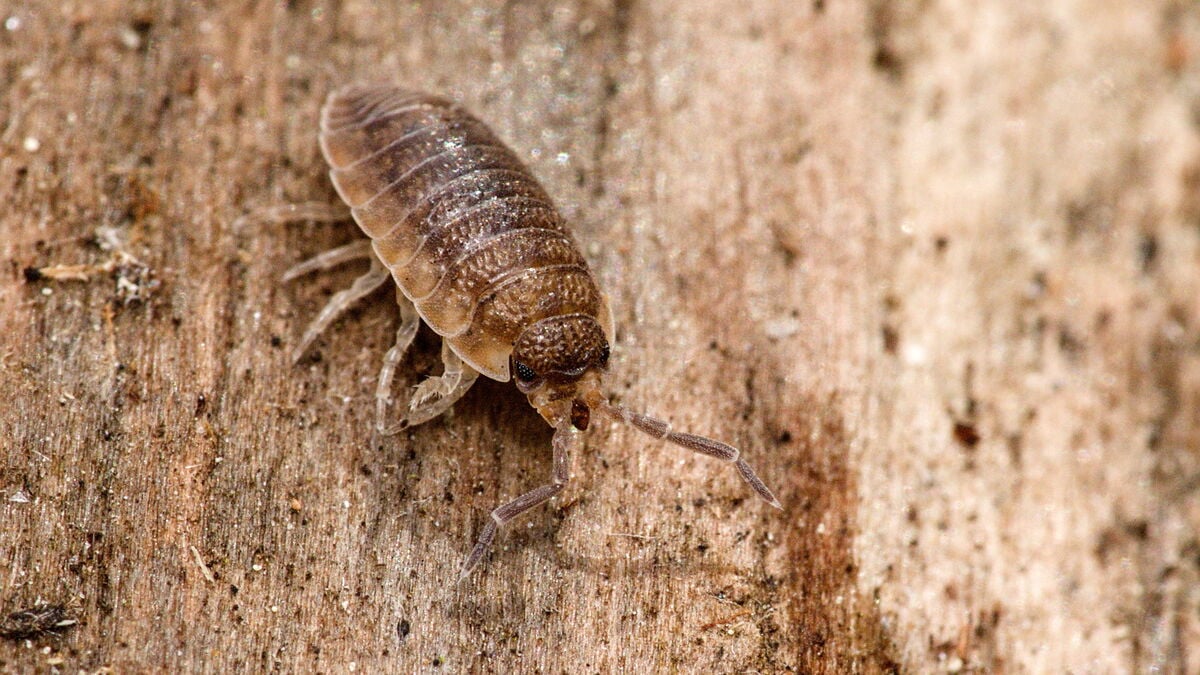
It may not look like much to the world, but it adds so much - so much that it has earned the award of garden insect of the year. The woodlouse eats and breaks down dead plants, preferably leaves from hazel and maple, for example, and thus helps to create nutrient-rich soil.
"They are like little underground gardeners," says Erik Hansson, project manager for the public education project Richer Garden, which selects the garden insect of the year.
A life in darkness
Woodlice are light-shy creatures that thrive in damp environments, under a rock or a branch on the ground. They can also live indoors, for example in a damp basement. They are active practically 24/7, although they prefer the darkness of night.
If you want to help woodlice thrive in the garden, you can put out a few stones, save some dead wood or a piece of a tree trunk. They are not as fond of a short-cut lawn.
"The more woodlice you have in your garden, the better the soil you have," says Erik Hansson.
“A little CBT”
Woodlice are common in Götaland and Svealand. Further north, occasional finds have been reported, mainly along the coast. The woodlouse is a crustacean and not an insect, as one might think. Like the kangaroo, it carries its young in a kind of pouch on its belly.
If you think that woodlice are unpleasant, there are good reasons to think again, Erik Hansson believes.
"You have to do some CBT and imagine that the woodlice are important for the garden. Try to get used to the fact that they are there, that they do us a great service and are completely harmless," he says.
This year's garden insect is chosen by the public education project Richer Garden, in connection with Biodiversity Day, which this year falls on Friday, May 22.
Previous winners include the grass-green gold beetle, curious flower fly, nettle butterfly, golden thorn and two-tailed fly.
The woodlouse is a crustacean that originated in the sea and now lives both on land and in water. The oldest fossils of land woodlice are about 100 million years old, but the first woodlice probably emerged from the sea about 300 million years ago.
The woodlouse feeds on dead plant material. Leaves from, for example, hazel and maple are favorites.
In Sweden, there are approximately 25 species of woodlouse found outdoors. A few more have only been found in greenhouses.
Two species - the common woodlouse and the pillbug - are among the most common. Both can grow to about 17 millimeters long.
Woodlice are harmless to humans. They are not considered pests, as long as they do not appear in sensitive environments such as an operating room.
Source: National Museum of Natural History, Richer Garden, Anticimex