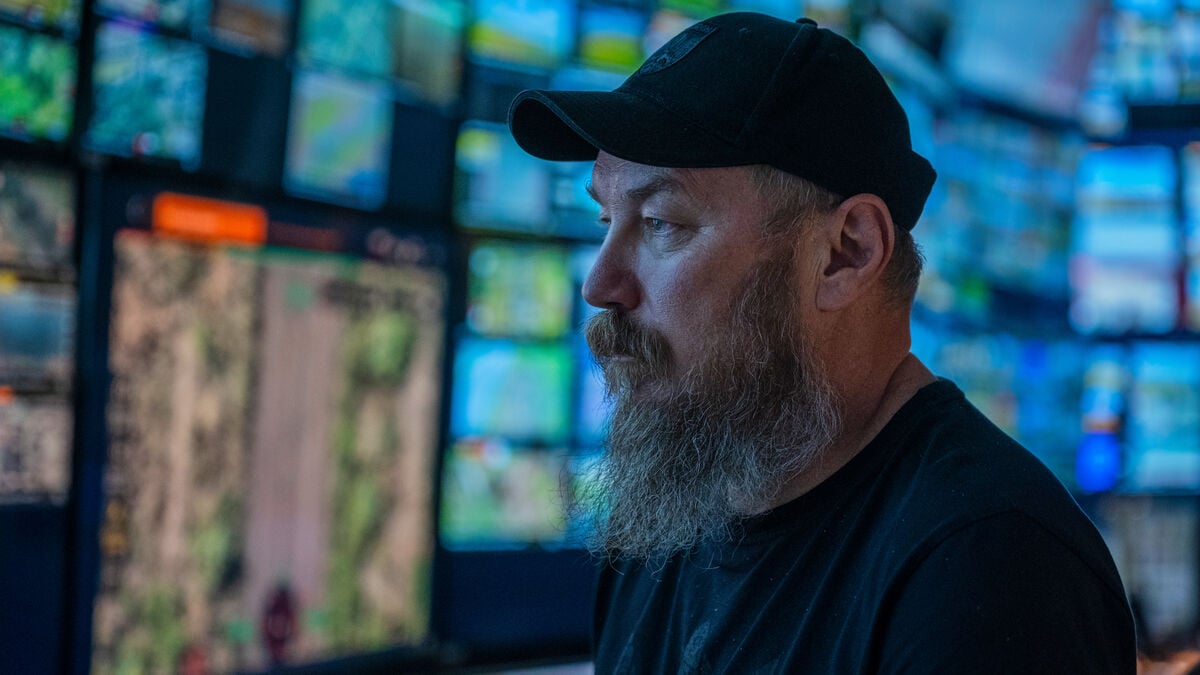
Crimea is one of the central pillars of the strategy to end the war, Brovdi said in an interview with the AP news agency.
The 50-year-old heads the SBS, the “Unmanned Systems Forces,” a branch of the defence forces that was created two years ago. According to Brovdi, SBS is now responsible for a third of all Russian losses in the war.
Over the summer, Ukraine's drone offensive in Crimea has caused extensive damage to railway bridges, oil depots and power infrastructure. The goal is to disrupt supply lines and knock out part of the Russian air defences’ ability to detect and shoot down Ukrainian drones.
Slow payouts
Despite that, Brovdi tells the AP that his forces only have 14 percent of the equipment that would be required to carry out a full-scale drone offensive in Crimea.
"It is not the production capacity of Ukrainian manufacturers that prevents us from producing the necessary quantities of drones," Brovdi said.
It's about the banal problem of funding not arriving on time. Our allies are setting aside the money, but it is being disbursed much more slowly than our plans require.
77 robots simultaneously
According to Brovdi, Russia's military now has the ability to fire 77 ballistic missiles simultaneously - and plans to increase that number to 200.
It is one of Ukraine's most vulnerable points, as the country is running out of US-made Patriot missiles that are crucial to its defence against Russian ballistic missiles. This means that dozens of the missiles that Russia fires at Ukraine during its massive attacks are getting through air defences, often hitting civilian infrastructure such as residential areas.
The only way for Ukraine to bring the number down, says Brovdi, is to strike at the facilities used to manufacture the missiles, through attacks deep inside Russian territory.