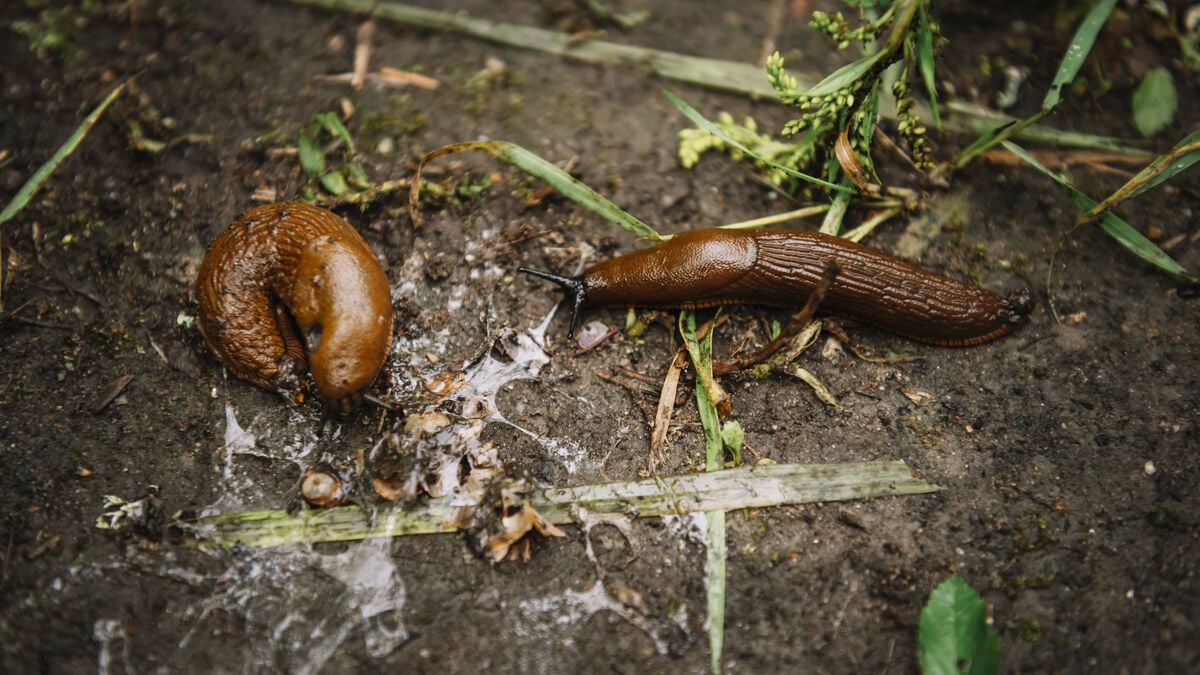
The invasive assassin slug has caused a lot of trouble in Swedish gardens in recent summers. But now there is good news for Swedish garden owners. The unusually dry spring looks like it will mean that the number of assassin slugs will be fewer than usual.
Ted von Proschwitz, a snail expert at the Gothenburg Museum of Natural History, has followed the progress of the assassin slug in Sweden, and he says there are several signs that this year's numbers are lower than usual.
The dry spring weather seems to have taken its toll. There are far fewer than in the difficult summer of 2024, but also fewer than last year, which was more of a normal year.
The weather decides
Gardeners can't breathe a complete sigh of relief. If the coming weeks are rainy, the assassin slugs may partially recover.
The rain of the last few days has brought out the remaining assassin slugs and they are in the process of laying new eggs. Whether those eggs survive depends on the rainfall in the coming weeks, von Proschwitz says.
Other slugs eat the assassin slug
For those who want to make it even harder for the assassin slug, they can take out their shovel and go on their own "killing spree" in the garden. A cut about one centimeter behind the head means immediate death for the slug. Ted von Proschwitz emphasizes that there are slugs in the garden that can help in the fight against the assassin slug.
The spotted leopard slug is a competitor of the assassin slug. They are aggressive towards each other and can even eat each other, so my tip is to spare the leopard slug. That can help you keep the assassin slug in check, he says.