"We think it is entirely reasonable to ensure that inflation (through increased fuel prices) does not spread to the Swedish economy," says Mikael Damberg, economic policy spokesperson for S.
But he criticizes the government for not saying what other measures are included in the additional amending budget of 17.5 billion, in addition to the gasoline tax reduction.
"Hole in the head"
The Green Party calls the proposal "gasoline populism" - a desperate attempt to reverse the crisis in the Tidö parties' opinion polls.
"It is mind-boggling that the government continues to lower fuel taxes and thereby deepen both the oil crisis and our fossil fuel dependence, instead of providing targeted support to vulnerable households," says spokesman Daniel Helldén in a written comment.
The Green Party believes that high-income earners benefit most from the reduction, not households most dependent on cars.
"Election tactics"
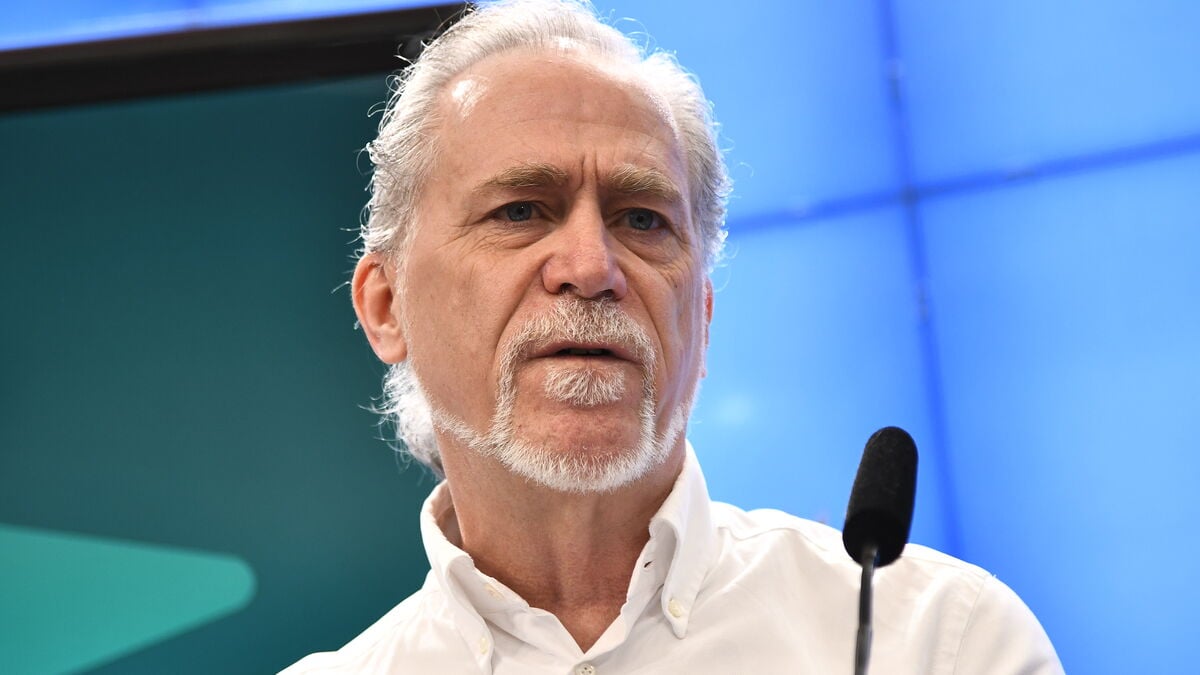
Criticism also comes from economists. "The government's proposal disrupts market signals," Lars Calmfors, professor emeritus of international economics, told TV4.
"This government's policies, and perhaps politics in general, are increasingly moving away from conventional economic thinking. It seems that they are increasingly being guided only by purely electoral considerations. It is a very sad development," says Calmfors.
The reduction also benefits countries like Russia, which can sell more oil at higher prices. Higher world-market prices could mean major economic problems for poor countries, according to Calmfors.
The industry organization Transportföretagen says the cut is necessary but the package lacks a tax reduction on electricity for heavy vehicles.
"We need to accelerate electrification to increase our resilience to crises like the one we are in now," says CEO Jonas Hagelqvist in a written comment.