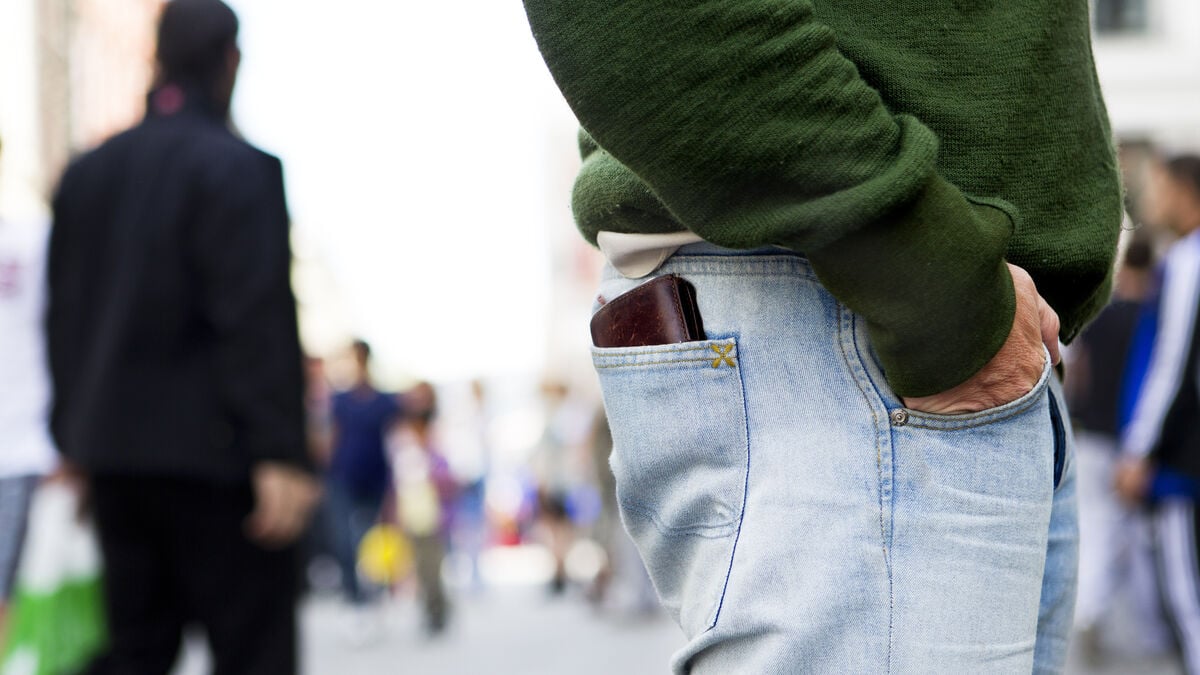
Swedes' wallets have gotten fatter since the last election. Wages after tax and inflation - so-called real disposable income - have increased on average.
That measure has reached the highest level we have ever measured in Sweden, says SEB's private economist Américo Fernández.
Riksbank Governor Erik Thedéen says that the purchasing power of Swedes is stronger than before the inflation surge in 2022 and 2023.
Households have had a fairly significant increase in their disposable income, and they have also had some tax cuts. So now households have very strong real economic growth - that is, their purchasing power is increasing significantly.
Several factors are behind the increased purchasing power.
The Swedish Central Bank behind the lift
"I wouldn't say it all depends on fiscal policy - that's a contributing factor. Another very important reason is the Swedish Central Bank. The fact that they lowered the key interest rate is crucial for whether households dare to consume or not," says Fernández.
Companies have also strengthened households, he says.
We have had a fluctuating Swedish krona and a lot of turbulence in the world. But despite that, large companies have not given notice to such a large extent.
Households had it tougher before the last election, says Nordea's private economist Anders Stenkrona.
What has happened is that inflation and interest rates have now come down, while real wages have slowly but surely started to catch up to where they were in 2021.
“Built up buffer”
Swedes have saved more in recent years.
Now many have built up a fairly decent buffer, so even if there are further negative surprises, households are in a pretty good position, says Stenkrona.
During the election campaign, several parties have attracted voters with lower taxes and more money in their wallets, but the question is whether households need it.
Everyone will always want more. But if the trend of low inflation and wage increases continues at the rate they have, households will automatically feel that they have more air under their wings, says Stenkrona.
Fernández says that of course there are some households that need additional support.
But as a rule, if I lump households together, I don't see this massive need right now to sprinkle in a lot of measures or a lot more money in the wallet.