On Wednesday, Israel announced that it had carried out the largest attack against the Shiite militia Hezbollah in Lebanon since the outbreak of the war in Iran.
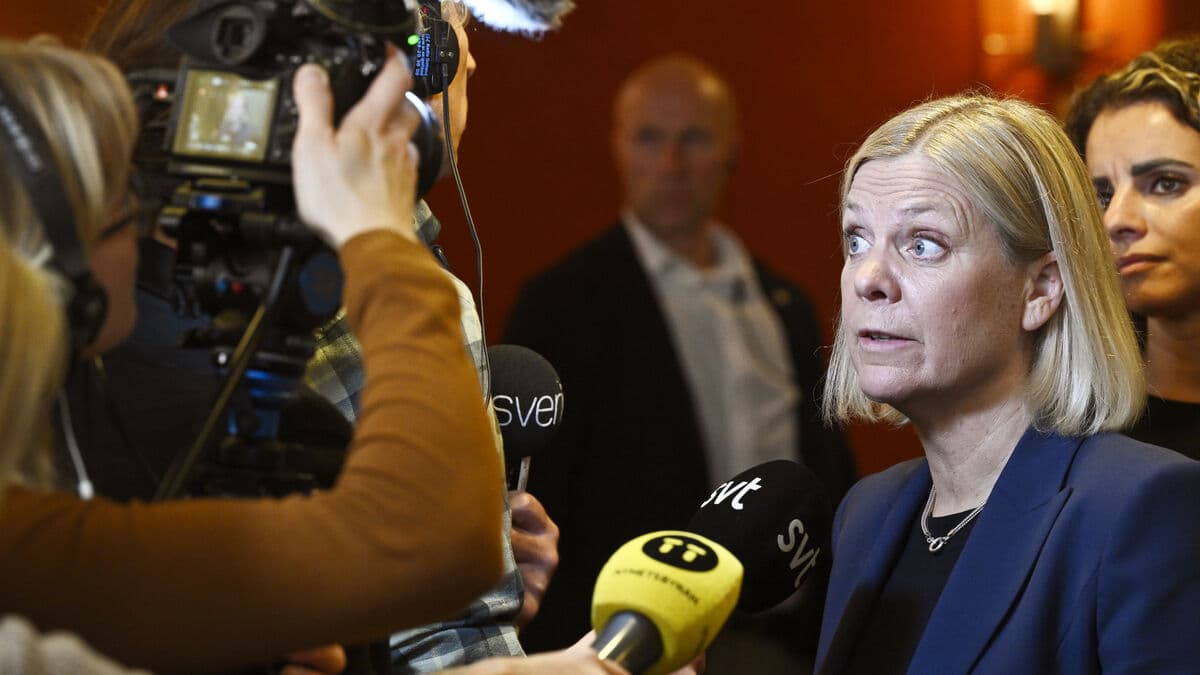
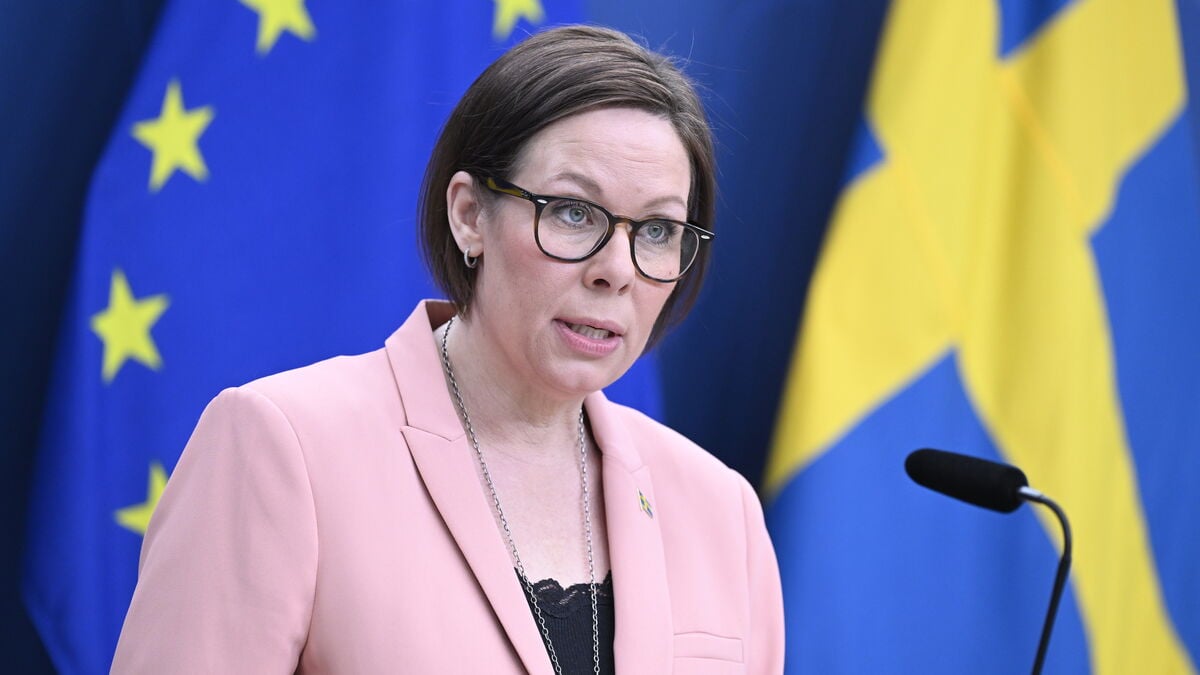
"We are very concerned about the situation in Lebanon with devastating consequences for the civilian population. We therefore want to see an immediate ceasefire and call on Israel and Hezbollah to accept the offer that the Lebanese government has made regarding dialogue," says Maria Malmer Stenergard.
No ready-made solutions
Following the ceasefire agreement between the US and Iran, a couple of weeks of negotiations are now expected. In the meantime, the Strait of Hormuz will be reopened to shipping. Sweden is participating with around 30 countries in discussions about the conditions for reopening the strait.
Prime Minister Ulf Kristersson says he feels “cautious hope,” but adds that it is “quite a long road” to a permanent peace settlement.
"We have said that we are prepared to participate in various ways and guarantee freedom at sea after a peace settlement, when there are no conflicts," says Kristersson.
"We are looking at different initiatives. It could be about different forms of security solutions, but we definitely don't have a finished concept yet," says Maria Malmer Stenergard.
Sanctions can become a political tool.
On Tuesday, US President Donald Trump threatened "death to an entire civilization" if Iran did not agree to a deal.
"It is incredibly destructive rhetoric, and the government naturally strongly distances itself from all forms of threats of attacks against civilians and civilian infrastructure, as this was about," says Maria Malmer Stenergard.
"Very concerned" about Djalali
At the same time, the situation remains uncertain for the death-sentenced Swedish-Iranian researcher Ahmadreza Djalali, who has been imprisoned in Iran since 2016.
"I am very concerned about Ahmadreza Djalali's situation. The situation we have now, where it is very difficult to obtain information about the situation inside Iran, combined with the fact that for security reasons we can no longer have our embassy in Tehran, makes it difficult for us to work practically on the ground in his case," says Maria Malmer Stenergard and continues:
"But we will of course continue to try to influence him in every way we can and demand his immediate release on humanitarian grounds."