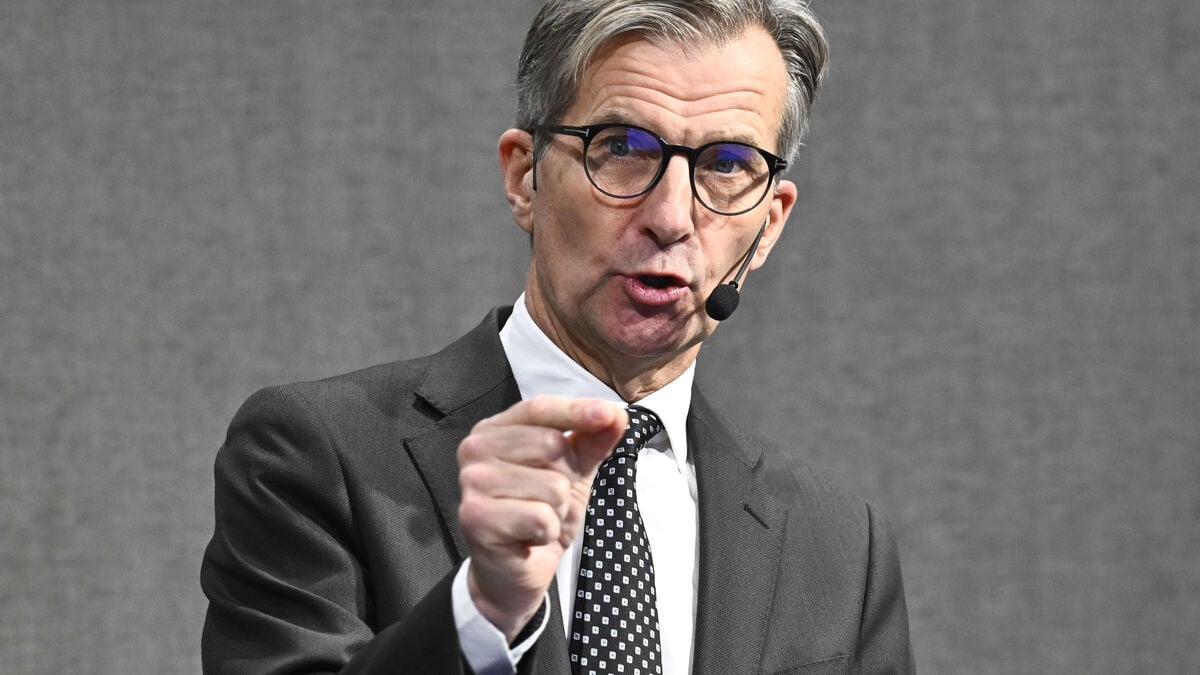
Swedbank is revising its interest rate forecast, dropping a previously expected increase in the fall of 2027. Chief Economist Mattias Persson explains:
Previously, we believed in an unchanged policy rate until September 2027 and then an increase. This was based on the recovery gaining momentum, but now we believe in lower growth this year and there is no inflationary pressure in the economy, so we are also removing the increase in September.
The Swedish inflation rate is currently below the Swedish Central Bank's inflation target of 2.0 percent. In March, inflation according to the so-called CPIF measure was 1.6 percent compared with the same period a year earlier.
"In our forecasts, inflation remains below target. If the recovery then becomes significantly weaker, there may be room for cuts later on, but that is not our main scenario," says Mattias Persson.
Different vision
Swedbank thus has a clearly different view than, for example, the fixed-income market, which is currently pricing in two interest rate increases in 2026 and another increase in 2027. Sector peer SEB announced earlier this week in its economic report that it is predicting an interest rate increase by the Swedish Central Bank, but not until the end of 2027.
There have also been concerns from several quarters that the situation in the Strait of Hormuz and soaring energy prices will have a snowball effect on other parts of the economy. One such example is increased inflationary pressure from rising food prices. Persson and Swedbank instead have a scenario where the oil price falls back to around $90 per barrel in December.
"We do not see inflationary pressure from oil or energy prices becoming so great that the Swedish Central Bank needs to change its policy. I'm afraid there is too much focus on only the worst outcomes. Of course it could get worse if conflicts escalate and oil prices stay high for a long time, but these are risk scenarios," Persson says.
Normal levels
Even if there is a solution regarding the Strait of Hormuz, is there a risk of bottleneck effects before supply is back to normal levels?
There are definitely such risks. Of course, there could be production disruptions, but not to the extent that it changes the overall picture or significantly postpones inflation.