Cases of cervical cancer have decreased by 56 percent among women under 40 in the last ten years. A success story according to Ulrika Årehed Kågström, Secretary General of the Swedish Cancer Society.
These are incredibly encouraging numbers, but now we need to put the final gear in to succeed in eradicating cervical cancer, she says.
Vaccines and tests
Cervical cancer develops almost exclusively after infection with human papillomavirus (HPV).
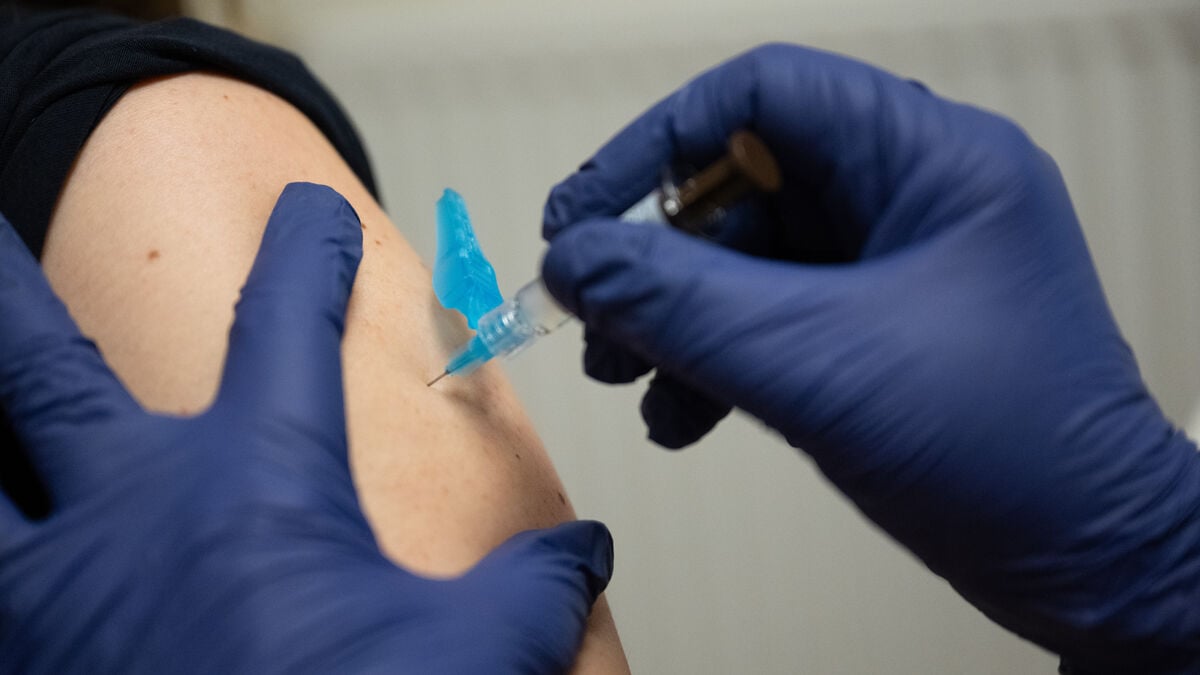
Today, all fifth graders – both boys and girls – are offered a vaccine against the virus. This, together with screening programs, is behind the decrease shown in statistics from the National Board of Health and Welfare. Women who regularly test themselves to see if they have the virus reduce their risk of developing cervical cancer by approximately 90 percent.
"About two-thirds of all women affected by cervical cancer today have not participated in screening examinations. The disease is treatable and early detection is very important," says Ulrika Årehed Kågström.
The tests can be done at a midwife's or at home using a self-testing kit that is sent to your mailbox. Home tests have been shown to have several advantages. Among other things, they catch more women and are also more cost-effective.
Not all regions
Today, according to the Swedish Cancer Society, only about a third of Sweden's regions offer home tests as a primary method, which the organization sees as problematic.
In theory, it is possible to send out home tests with a simple click of a button, but booking half a million midwife appointments takes several years to implement. Now the government needs to take national responsibility for ensuring that all regions offer the opportunity, says Ulrika Årehed Kågström.
In addition to cervical cancer, HPV can increase the risk of penile and anal cancer, as well as cancer of the mouth and throat.
Facts: HPV test
Invitations to HPV tests are sent to those who have a female social security number and are of a certain age.
23 years to 50 years: Receive a summons to take the exam every three years or every five years.
50 years to 70 years: Receive a summons to take the test every five years or every seven years.
The final test is offered when the woman is between 64 and 70 years old.
Anyone who has had serious cell changes will be asked to take a test every three years. This applies regardless of age.
There are two ways to submit a sample. A midwife can take a Pap test. Or the woman can take a so-called self-test at home and send it in. Both methods are equally safe.
Source: 1177
The vaccine provides protection against cell changes and certain cancers caused by the human papillomavirus.
All children are currently offered the HPV vaccine in grade 5 as part of the general vaccination program.
Vaccination of girls has been included in the vaccination program since 2010 and includes all girls born in 1999 and later.
Vaccination of boys has been included since August 2020, and the program covers boys born in 2009 and later.
Children and young people covered by the program are entitled to free vaccination against HPV up to the age of 18.
In addition, the Swedish Public Health Agency recommends vaccination against HPV for all people up to and including the age of 26 who have not been vaccinated before. This applies to both men and women, as all sexually active people are at risk of contracting HPV and developing HPV-caused cancer.
Source: Public Health Agency of Sweden. 1177