ALS is a rare but incurable disease in which nerve cells in the brain and spinal cord break down. Muscles gradually become paralysed, and most people affected usually die within two to four years.
In a new study, published in the journal Neurology, researchers at Harvard examined the incidence of ALS in American veterans. The study included more than 9.1 million men and nearly 785,000 women in the US Veterans Administration over a 24-year period. In total, 13,935 of the men and 484 of the women were affected by ALS.
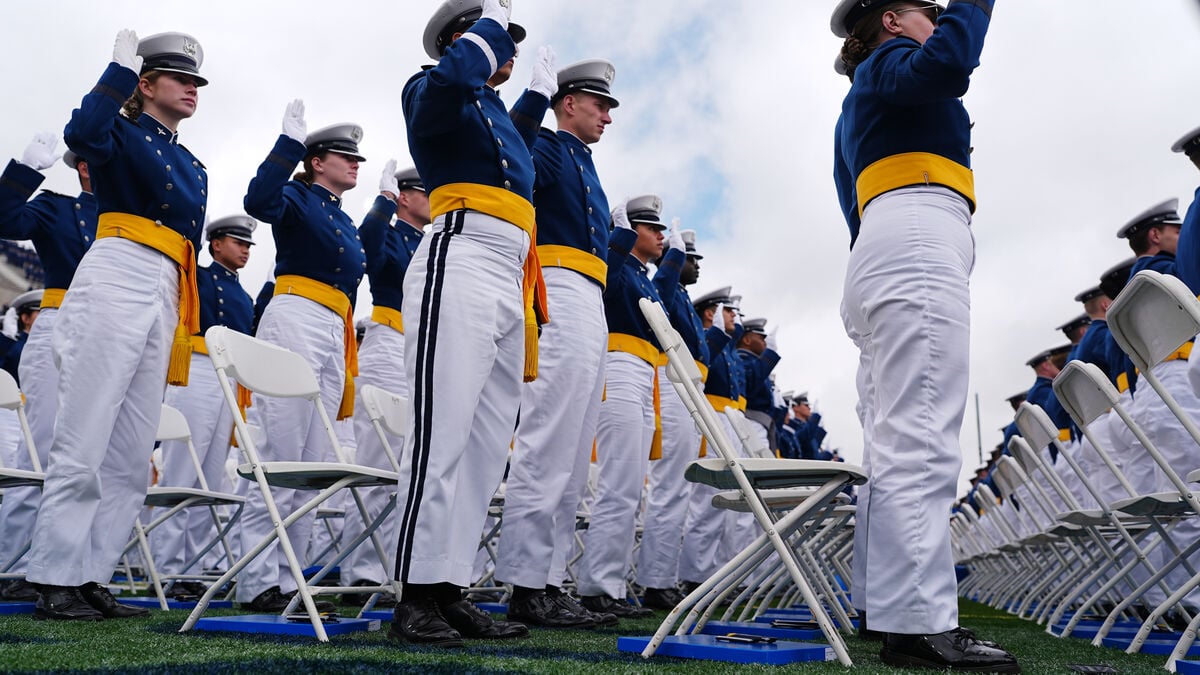
The results show that the proportion of those affected differs between the branches of the armed forces, and the difference is most clearly seen among men under the age of 61. Among men who have served in the Air Force, the incidence of ALS is 29 percent higher compared with veterans in the Army. For the Navy and Coast Guard, the corresponding figures are 15 percent and 26 percent higher, respectively.
More officers
The researchers also found that officers are more affected than ordinary soldiers - the incidence of ALS was 64 percent higher for men and 72 percent higher for women. However, longer military service is associated with a lower incidence of ALS.
“The results suggest that officers and enlisted personnel in the Air Force, Navy, or Coast Guard may have been exposed to military environments that increase the risk of ALS,” said study author Marc G. Weisskopf, a professor at Harvard’s School of Public Health.
However, further research is needed to identify the factors involved, according to Weisskopf, who emphasises that the overall risk of being affected is small.
Cause unclear
Previous studies from several countries have indicated a connection between military service and ALS, but the connection is not fully established, according to Caroline Ingre, ALS researcher and chief physician at Karolinska University Hospital.
The question of what this is due to can therefore only be answered with hypotheses.
There has been discussion about whether it is increased physical strain or emotional strain, or whether there has been exposure to chemicals, for example in connection with combat, says Caroline Ingre.
Another factor that may come into play is individual genetic predisposition.
It has previously been said that well-trained people or athletes are at increased risk and that it is the genetic makeup that provides the conditions to become an athlete or soldier that is the risk in itself, and not the profession.
Every year, just over 440 people in Sweden develop ALS (amyotrophic lateral sclerosis). Most are between 60 and 70 years old.
ALS is actually an umbrella term for several neurological diseases that all lead to the same symptom picture. It is not entirely known why people are affected, but research points to a combination of genetics and environment.
The disease breaks down the nerve cells in the brain and spinal cord that control voluntary muscles. It often starts on one side of the body, with weakness in an arm, hand or foot, for example, and then spreads until you are completely paralysed. The muscles that are usually affected include those for speaking and swallowing, as well as the strength of the arms, legs and breathing muscles.
Most people with ALS die within two to four years of becoming ill, usually from respiratory failure. About one in ten lives considerably longer.
There is no cure for ALS, but there are medications that relieve symptoms and slow the progression somewhat.
Source: 1177, Karolinska University Hospital