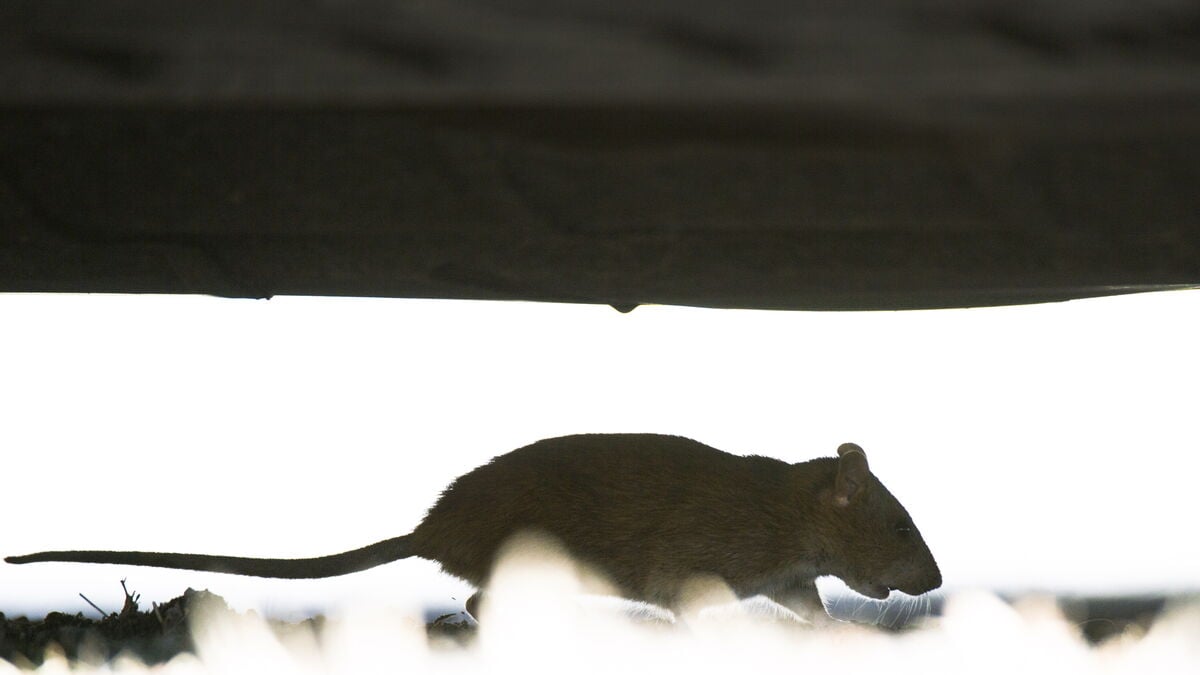
In one study, researchers examined a number of rats to assess their behavior. Before the experiment, the animals were assessed based on various factors such as sex, social behaviors, and baseline levels of stress hormones. The researchers then created a behavioral profile for each rat.
Clear connection
The rats were observed for one hour a day for three weeks. During this time, the rats could, whenever they wanted, put their noses into a hatch and get a whiff of cannabis vapor.
When the researchers observed how many times different rats activated the vapor, they saw a clear connection: the rats that were most likely to seek out cannabis were those with initially higher levels of the stress hormone corticosterone, the equivalent of human cortisol.
The study, published in the journal Neuropsychopharmacology, also found strong links between the rats' cannabis use and how they adapted when rules or conditions changed, so-called cognitive flexibility.
A hint
“Animals that were less flexible and had a harder time switching strategies in cognitive tests showed a stronger tendency to seek out cannabis,” said Ryan McLaughlin, a researcher in veterinary medicine at Washington State University and one of the study authors, in a press release.
The study cannot say anything about people's propensity to use cannabis, but the findings point to possible biological markers that could, in the future, indicate which people are at greater risk of developing problematic drug use, according to the researchers.