When George Orwell, author of 1984, wanted to describe poor England, he took as his starting point the hardships of miners in the northwest.
“The Road to Wigan Pier” from 1937 became a classic and, ironically, also created a tourist attraction when, 50 years later, clever entrepreneurs transformed the poor area on the canal between Leeds and Liverpool into an entertainment district.
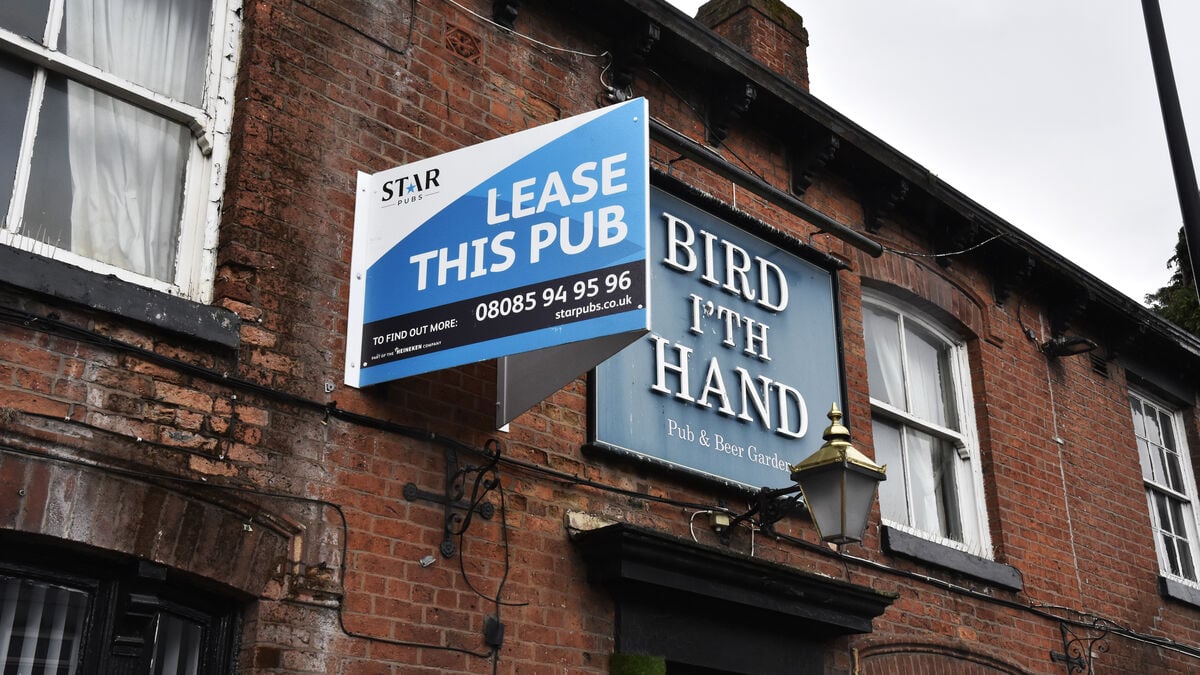
The situation today is equally grimly ironic, when homeless people and drug addicts have taken over where pubs and nightclubs have closed.
The British economy is not doing well. And the residents TT speaks to on the streets of Wigan know what to blame.
"Everything has gone downhill since we left the EU," Amy sighs.
"We shot ourselves in the foot," Jeremy notes.
“Huge problems”
Exact figures are not easy to calculate, but various studies point, for example, to a decrease in GDP of 6-8 percent, a 4 percent decline in productivity and a 15 percent decrease in trade.
Trade Minister Chris Bryant, from the social democratic Labour Party, wants to return.
"I hope that in my lifetime we will be welcomed back to the heart of Europe as members of the EU. Brexit has created enormous problems for the UK economy," he told AFP during a visit to the EU Parliament in May.
But just coming back is not easy. Even Bryant's own government dares not openly advocate a "brejoin" - a re-entry.
New start with the EU
Speaking positively about the EU remains sensitive, after years of British criticism of Brussels. Nevertheless, the Labour government has launched what is being called a “new start” in relations with the EU, with negotiations on everything from food regulations and emissions trading to AI development and university exchanges.
However, things are far from smooth sailing. A planned summit between Prime Minister Keir Starmer and EU leaders Ursula von der Leyen and António Costa has been steadily postponed throughout the spring and now risks being delayed until this autumn.
This is due in part to the current uncertainty surrounding the embattled Starmer and his future, and to disagreement over how many European students the UK can accept and vice versa.
Tailwind for Farage
Polls this spring show that around 60 percent of those surveyed in Britain today would vote to remain in the EU. At the same time, it is arch-Brexitist Nigel Farage and his Reform Party who currently have the most support in public opinion.
The immigration issue is still as hotly debated as it was ten years ago. Back then, Farage and others pointed to the EU as responsible for all the problems related to migrants, refugees and guest workers. The fact that Britain has since left the EU does not prevent politicians and debaters from continuing to blame the problems on the influx from EU countries across the English Channel or the land border with Ireland.
In recent weeks alone, high-profile violent crimes by perpetrators of foreign origin in Southampton and Belfast have led to widespread riots.
Is the country breaking up?
The EU issue is likely to continue to have explosive political power in Britain for many years - with the potential to shake the entire state structure.
The regions of Scotland, Wales and Northern Ireland are currently all led by parties that want to break away from London and return to the EU.
Under the current electoral system, where being the largest party in each constituency matters more than overall vote share, England could at the same time be heading in the other direction and elect an even more nationalistic, anti-EU government under Farage after the next election, no later than 2029.
Scotland is already pushing for another referendum on independence.
"We must unite in Scotland to ensure that our parliament is fully Farage-proof. That means being able to decide our constitutional future before 2029, without Farage being able to block us," said regional government leader John Swinney in a
after the local elections in early May.
“Embarrassing”
In Wigan, more than 60 percent voted to leave the EU in the 2016 referendum. Here, people are now sighing heavily over isolation and poorer opportunities to travel and work in other countries.
"Our reputation in other countries has deteriorated. Now we are lumped in with the Americans," says Amy, who still hopes for a turnaround and re-entry into the EU in due course.
Ethan and Jeremy, on their way home from the local college, are not as hopeful.
"Probably not. I think it would be too embarrassing to do a U-turn," says Ethan.
* January 1, 1973: Great Britain - along with Denmark and Ireland - became members of the then EC.
* June 23, 2016: 52 percent of Britons voted to leave the EU in a referendum. As a result of the Remain side's loss, Prime Minister David Cameron of the Conservative Party resigned and was replaced by then Home Secretary Theresa May.
* October 17, 2019: A withdrawal agreement was reached after negotiations between the European Commission and Britain's new Prime Minister Boris Johnson, who replaced May during the summer.
* January 31, 2020: The United Kingdom formally left the EU, albeit with various transitional rules until the end of December of the same year.