The sea ice change we have witnessed is probably one of the biggest changes we have seen in the Earth's climate system, says Theo Spira, lead author of the study published in Nature Climate Change.
The researchers have focused on the layer of cold water beneath the sea ice that prevents warmer deep water from rising and melting the ice from below. Until 2015, this protection allowed the sea ice to grow, but below the surface it became increasingly weak as the deep water warmed due to climate change.
Cold water layer
In 2015 there were strong winds, and the winds caused the warm water below to push through the cold water layer, explains Theo Spira.
What we have shown is that since 2015 warm water can reach the sea surface much more easily and has contributed to the reduction of sea ice.
The question that remains is whether the extent of sea ice around Antarctica will stabilize, continue to decline, or perhaps even recover.
The study shows processes that have so far been poorly represented in climate models, and Theo Spira hopes that his research will contribute to better models in the future.
Elephant seals with sensors
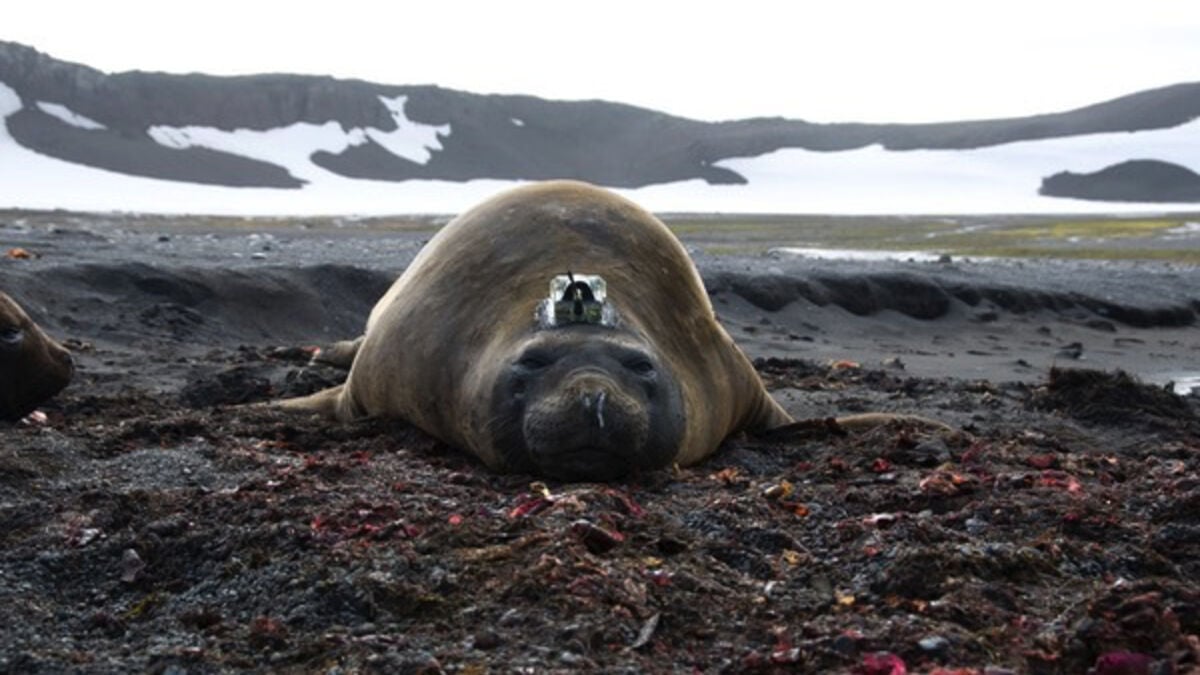
He has compiled data from a variety of sources, including data from elephant seals equipped with sensors that measure water temperature, salinity and depth.
Elephant seals play a huge role in providing data from the Southern Ocean and in our understanding of the ocean. They cover areas that are very difficult to reach, such as around the edge of the sea ice or by going up through holes in the sea ice.
The discovery is also important for the role of Antarctic sea ice in our climate. The ice reflects the sun's rays and blocks the exchange of heat between the ocean and the atmosphere.
The Southern Ocean is extremely important for the global climate given its role in heat absorption and carbon dioxide storage.
Antarctica consists of the land and sea areas around the South Pole. The total land area is estimated at 14.2 million square kilometers.
There is no permanent population, but there are a number of research stations that are staffed year-round.
Antarctica, together with the interior of Greenland, is the only part of the Earth's surface that has a glacial climate, and the average temperature of the warmest month is below zero degrees Celsius.
The vegetation on the Antarctic continent consists mainly of lichens and mosses, and the terrestrial fauna consists mostly of invertebrates such as roundworms, mites, and springtails.
The Antarctic waters are home to a variety of marine mammals and birds such as elephant seals, killer whales and emperor penguins.
Source: NE.se