In "Stolen Childhoods," BBC journalists Nina Nazarova and Svyatoslav Khomenko follow the fates of four Ukrainian families. The book documents how children are taken to Russia, forcibly detained, placed with new Russian families, and methodically reprogrammed to become Russians.
"Incomprehensible"
All under the Russian pretext that the children are in fact being protected from the war.
"I wish we had never had to write this book. I don't even want my own children to read it in the future, because what happened to the Ukrainian children is incomprehensible," says Svyatoslav Khomenko.
He is from Ukraine and, despite the ongoing war, still works from Kyiv. Nina Nazarova comes from Russia and now works from Riga in Latvia, where the BBC moved its Moscow editorial office after the outbreak of the war. After covering the missing Ukrainian children in individual news reports, she realized that the stories should be combined into a book.
"What has happened and is happening to the Ukrainian children must be documented and explained to the rest of the world. We have tried to collect and manage evidence of what happened so that it will be in print in the future," she says.
Two perspectives
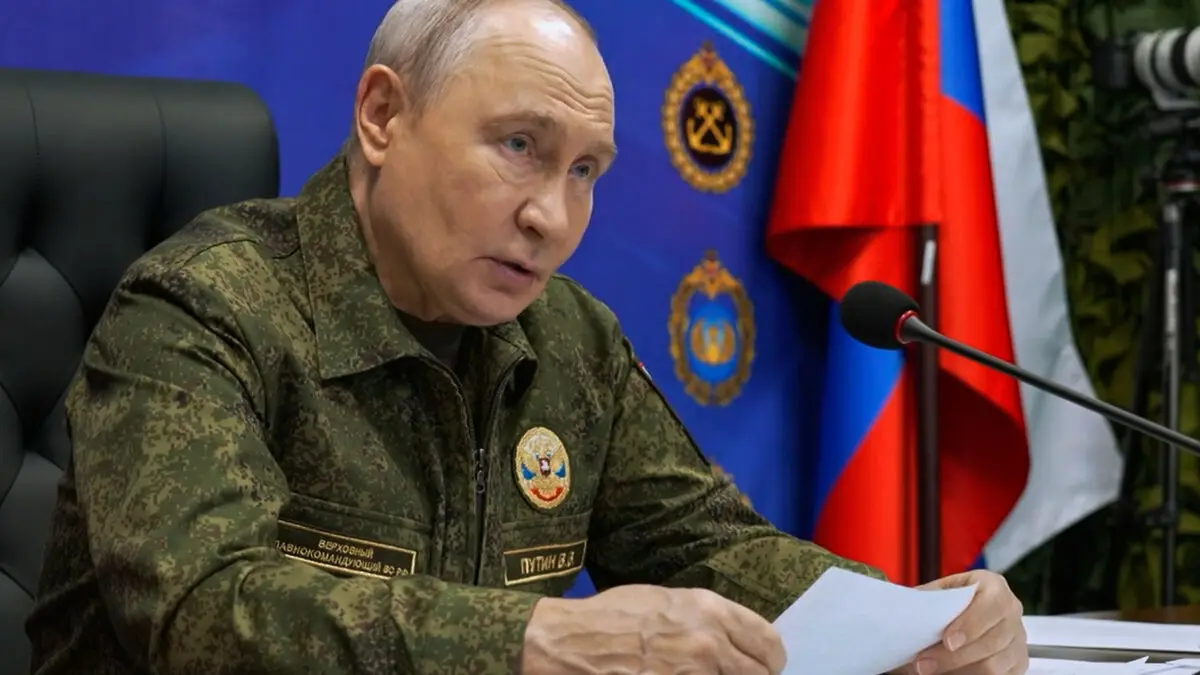
The International Criminal Court in The Hague issued an arrest warrant for Russian President Vladimir Putin and the country's commissioner for children's rights, Maria Lvova-Belova, in 2023. They are suspected of the "illegal deportation" of Ukrainian children, something that began with Russia's invasion of Ukraine the previous year.
"Stolen Childhoods" could not have been written if the authors had not come from Russia and Ukraine, say Nazarova and Khomenko. The two journalists were friends even before the war began, and their different perspectives provided necessary input to the book:
"I know how to get information in Russia, I know how to talk to Russian authorities. Svyatoslav knows how to deal with Ukrainian authorities," she says.
"This book would never have been written if we hadn't had our different nationalities. But our collaboration is above all an example of what two journalists can achieve together, regardless of nationality," says Svyatoslav Khomenko.
How working on the book has affected both of them is difficult to answer, says Khomenko:
"I think I can only answer that once the war is over."
Facts: ICC and the arrest warrant
On March 17, 2023, the International Criminal Court (ICC) in The Hague issued arrest warrants for Russian President Vladimir Putin and Maria Lvova-Belova, Russian commissioner for children's rights.
The order means that the ICC's 123 member states are obliged to arrest Putin and Lvova-Belova if they set foot on their respective countries' territory.
They are suspected of war crimes in the form of "illegal deportation of children" and "illegal transfer of children" from occupied territories of Ukraine to Russia.
According to Ukrainian authorities, nearly 20,000 children have been identified as abducted, but the real number is feared to be significantly higher.
The Kremlin does not recognize the ICC's jurisdiction and claims that the children have been evacuated for their own safety.