The inflation rate measured by the CPIF fell to 2.1 percent in December, Statistics Sweden (SCB) said. This is in line with preliminary calculations from SCB last week.
In the CPIF measure, the effects of mortgage interest rates are removed, and it is this measure the Swedish Central Bank uses for its 2 percent annual inflation target.
"Prices for air travel and car rentals rose in December, which is normal for the season. The price increases were offset by price reductions on, among other things, fuel and furniture," says Caroline Neander, price statistician at Statistics Sweden, in a press release.
“Breaking through”
Furniture and fixtures fell in price by almost 2 percent, while fuel became 5.6 percent cheaper. The price of accommodation also fell on average, by 7.4 percent.
Quite simply, a broad decline in commodity prices.
"A potential sign that the stronger krona is having an impact on import prices," Spector says.
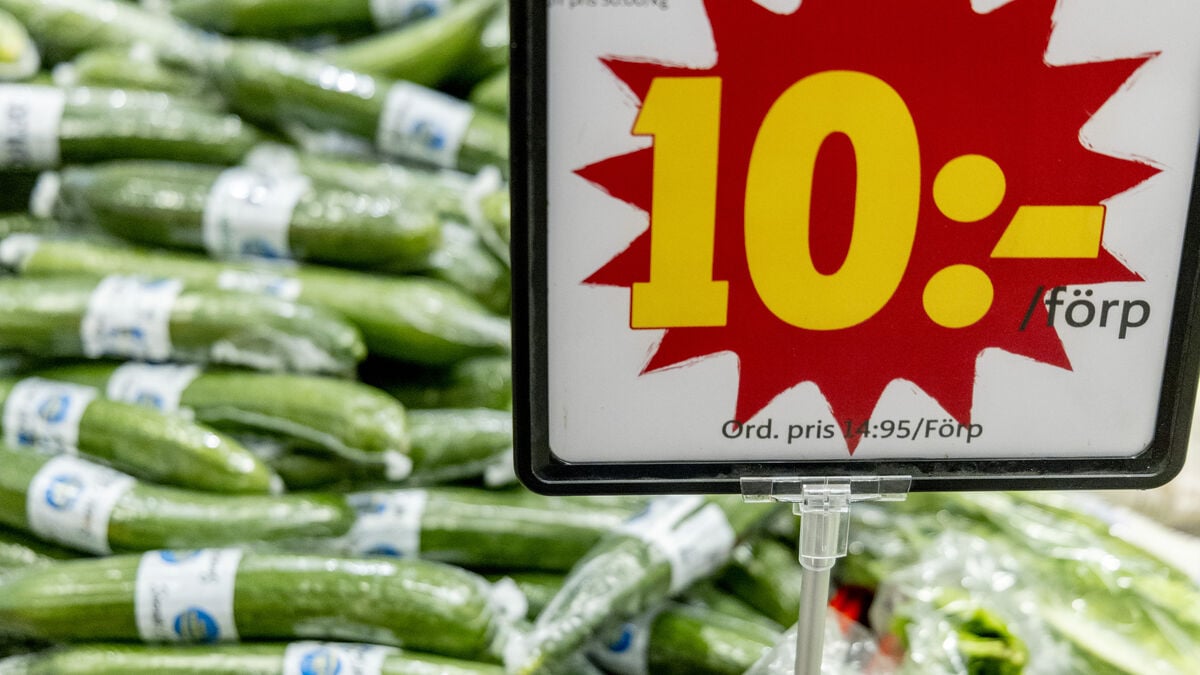
However, food prices, including non-alcoholic beverages, rose slightly, up 0.3 percent from November. Over one year, food prices have risen by 3.7 percent.
No interest rate change
Today's inflation figures are unlikely to cause any drama for the Swedish Central Bank's interest rate plans.
"The Swedish Central Bank will likely continue to keep the interest rate unchanged for most of the year," Spector says, and he expects continued low inflation going forward.
My colleague Alexandra Stråberg at Länsförsäkringar thinks in a similar way. Inflation is likely to fall further in the spring but then rise slightly again.
"Any interest rate cuts are therefore not relevant," she says in a written comment.
The pure inflation measure, CPI, which also includes interest costs, is now down to a low 0.3 percent.