The proposal, presented last week, means the European Commission wants to give the fossil fuel industry more time to adjust. In short, the cost of emitting carbon dioxide should be allowed to rise more slowly than previously planned.
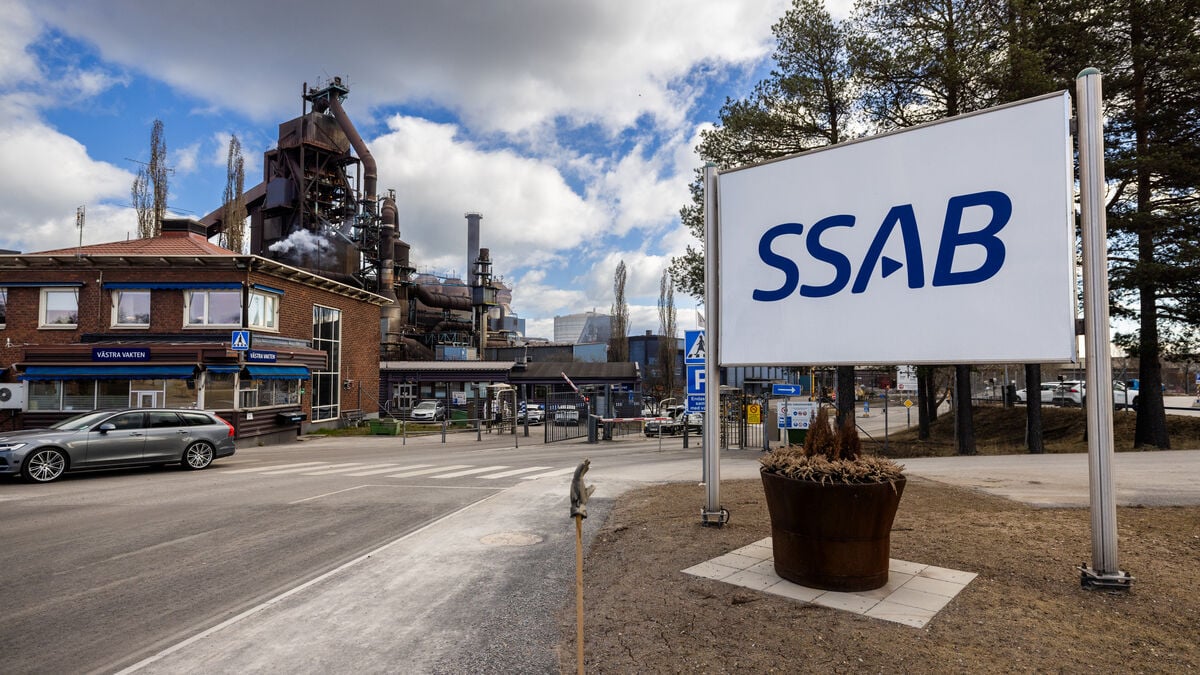
Swedish companies such as steel manufacturer SSAB and Stegra have been described as losers under the proposal, on the grounds that they have taken the lead in new so-called green steel initiatives.
Been critical
SSAB's CEO Johnny Sjöström points out that this is still only a proposal from the European Commission.
"There will be a lot of water under the bridge before that is done, but we understand why they are doing it and we are adapting a little to the reality that exists," he says.
While the Swedish government, for example, has been deeply critical and Prime Minister Ulf Kristersson, in an interview with Dagens Nyheter, called the proposal "unfair towards Swedish companies that have been at the forefront", the view is different in countries such as Poland, the Czech Republic and Italy.
We understand that these changes are being made. This is primarily with the companies in Central Europe in mind, where fossil-free electricity may not be available and electricity capacity needs to be built up and the infrastructure needs to adapt, says Johnny Sjöström.
Increased turnover
SSAB's CEO is now hoping for the signals given, such as an investment fund and green premiums, to apply for.
The steel company also reported increased sales and profits for the second quarter. However, Wednesday's quarterly report comes with a warning from the company about a deteriorating outlook for the third quarter, due to, among other things, planned maintenance.
North America is our most important market without a doubt. Demand there will not immediately increase, but competition will decrease due to regionalization and we are in a good position.
If you look at Europe, we don't see any turnaround in the economy, says Johnny Sjöström.
The company is also one of the year's big winners on the Stockholm Stock Exchange, where the share has so far risen almost 40 percent.